
Modern interior design for high-moisture environments is undergoing a significant transition. For decades, ceramic tiles were the default selection for wet rooms, but the emergence of Waterproof Interior Cladding has redefined expectations for hygiene, durability, and installation efficiency. In B2B developments and high-end residential renovations, the shift is driven by a need to eliminate the structural and sanitary failures inherent in grout-based systems.
Table of Contents
The Structural Vulnerability of Grout and Porous Surfaces
The primary failure point in traditional bathroom design is not the tile itself, but the grout. Grout is inherently porous, acting as a capillary system for moisture and bacteria. Over time, even sealed grout degrades, leading to subsurface mold growth and eventual adhesive failure. Waterproof Interior Cladding solves this by utilizing a non-porous surface that prevents moisture penetration entirely.
Unlike tiles, which rely on a chemical bond with a wet mortar bed, Waterproof Interior Cladding systems typically use advanced polymers or Wood Plastic Composites (WPC) that are chemically inert. This resistance to moisture is a critical factor for developers seeking a long-term bathroom wall covering alternative that avoids the repetitive maintenance cycles of re-grouting and deep cleaning.
WPC vs. Traditional Ceramic Tiles
When evaluating materials for wet areas, the data favors composite systems. Ceramic tiles are heavy, brittle, and require a multi-stage installation process. In contrast, Waterproof Interior Cladding manufactured from high-density WPC offers a superior strength-to-weight ratio.
The installation of tiles involves surface priming, thin-set application, tile placement, curing, and finally, grouting. This process can take several days for a single bathroom. However, a fast installation waterproof wall cladding system can be fitted in a fraction of the time, often directly over existing substrates or even old tiles. This efficiency significantly reduces labor costs—a primary concern for large-scale commercial contractors.
Why WPC is the Best Waterproof Wall Panels for Shower Areas
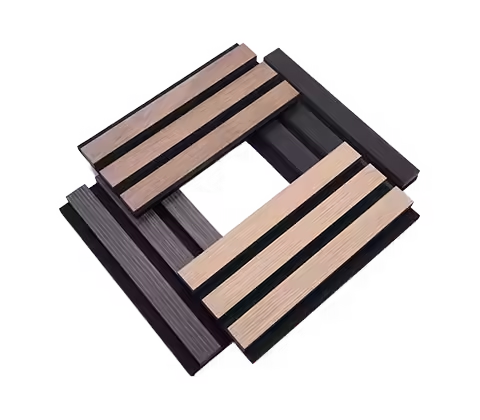
The shower enclosure represents the most demanding environment in a residential property. Continuous exposure to high-pressure water and temperature fluctuations requires a material with a low thermal expansion coefficient. Wood Plastic Composite (WPC) is widely considered the best waterproof wall panels for shower areas and kitchens because it combines the aesthetic warmth of wood with the absolute impermeability of high-grade polymers.
The internal structure of these panels often features a cellular core that provides additional thermal and acoustic insulation. This is a technical advantage tiles cannot offer. Furthermore, WPC wall panels for bathrooms are resistant to the cleaning chemicals that typically erode grout and dull the glaze of ceramic surfaces.
Grout-Free Shower Wall Panels Installation
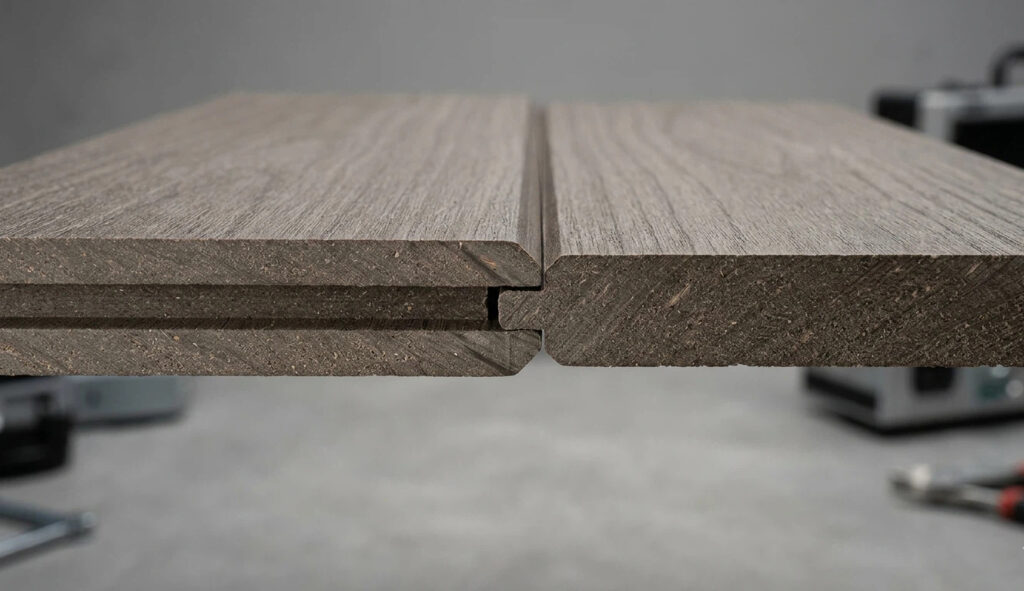
The most significant technical innovation in the cladding sector is the precision-engineered interlocking joint. A grout-free shower wall panels installation relies on a tongue-and-groove system that creates a mechanical water barrier. This design ensures that water runs off the surface rather than seeping into the wall cavity.
From a maintenance perspective, the absence of grout lines eliminates the habitat for Aspergillus niger (common black mold). This makes Waterproof Interior Cladding the preferred choice for healthcare facilities and high-traffic hospitality environments where sanitation is non-negotiable. According to the International Organization for Standardization (ISO) 16908, surfaces used in wet areas must meet specific hygiene and cleanability criteria, which seamless cladding achieves more effectively than tiled surfaces.
WPC vs. PVC Wall Panels
Not all cladding materials are equal. When contractors discuss WPC vs. PVC wall panels, the distinction lies in structural rigidity and fire performance. While PVC is lightweight and cost-effective, it can be prone to “telegraphing” (showing the imperfections of the wall behind it) and has a lower impact resistance.
Waterproof Interior Cladding made from WPC is significantly denser and more robust. It resists denting and scratching, making it suitable for high-traffic commercial zones. Additionally, high-quality WPC panels often meet more stringent fire safety standards, such as ASTM E84 or European EN 13501-1 classifications, providing a safer environment for occupants.
Hygiene and Long-Term Durability in Kitchen Environments
Beyond the bathroom, Waterproof Interior Cladding is increasingly used as a backsplash and full-height wall treatment in commercial kitchens. The grease-resistant nature of the UV-coated surface allows for rapid cleaning. Traditional tiles in kitchens often suffer from grease buildup in the grout, which becomes a fire hazard and a bacterial breeding ground.
Using the best waterproof wall panels for shower areas and kitchens ensures a unified design language across the property while maintaining the same high standards of durability. The panels are also resistant to steam and humidity, preventing the warping or peeling often associated with traditional wallpaper or low-grade paint finishes in culinary environments.
The Economic Case for Fast Installation Waterproof Wall Cladding
For property developers, time is the most expensive commodity. A fast installation waterproof wall cladding system allows for “dry trade” installation. Unlike “wet trades” (tiling), cladding does not require drying time between stages. This means that plumbing fixtures and vanity units can be installed immediately after the panels are up.
In a 100-unit apartment development, saving two days per bathroom by using Waterproof Interior Cladding can reduce the total project timeline by over six months. This rapid turnaround significantly improves the Return on Investment (ROI) for stakeholders and allows for faster occupancy.
Environmental Impact and Sustainability of WPC Systems
Modern Waterproof Interior Cladding often incorporates recycled materials. WPC is typically composed of recycled wood fibers and reclaimed polymers, reducing the reliance on virgin plastics and timber. This aligns with global sustainability initiatives and green building certifications like LEED or BREEAM.
Furthermore, the longevity of Waterproof Interior Cladding contributes to sustainability. Because the material does not crack or mold, the replacement cycle is significantly longer than that of tiles, which often require renovation every 10-15 years due to grout failure or aesthetic dating. For detailed standards on the environmental performance of wood-plastic composites, refer to EN 15534.
Expert Conclusion on Waterproof Interior Cladding
The transition from traditional tiles to high-performance cladding is a logical evolution in material science. By selecting Waterproof Interior Cladding, professionals are prioritizing structural health and operational efficiency. Whether for a single residential shower or a massive commercial hotel project, the move toward grout-free, high-durability surfaces represents the future of interior construction.
Investing in a bathroom wall covering alternative that offers both aesthetic versatility and technical superiority is no longer a luxury—it is an engineering necessity. As the industry continues to move toward modular and rapid-build solutions, Waterproof Interior Cladding will remain at the forefront of the interior surfacing market.
FAQ
Can Waterproof Interior Cladding be installed over existing tiles?
Yes, as long as the existing tiles are structurally sound and level, cladding can be bonded directly to them using high-grab adhesives.
How do I clean WPC wall panels for bathrooms?
Simply use a soft cloth and non-abrasive household detergent. There is no need for grout scrubbers or harsh bleach-based cleaners.
Are these panels suitable for steam rooms?
While highly water-resistant, always check the manufacturer’s maximum temperature rating. Most high-quality Waterproof Interior Cladding can handle the humidity of a standard domestic steam shower.
What is the main benefit of a grout-free shower wall panels installation?
The primary benefit is hygiene. Without grout, there is nowhere for mold to grow, and the cleaning time is reduced by approximately 80%.
Is WPC cladding more expensive than tiles?
While the material cost per square meter may be higher than budget tiles, the total cost—including labor and maintenance—is usually lower due to the fast installation waterproof wall cladding process.