
Acoustic panels are a popular solution for managing sound in various environments. They are designed to absorb sound waves, reducing echo and reverberation. But do acoustic panels work as effectively as claimed? This article explores their effectiveness, benefits, and limitations.
Understanding how acoustic panels work is crucial for anyone looking to improve sound quality. These panels are often used in spaces like recording studios, offices, and home theaters. They help create a more pleasant auditory experience by minimizing unwanted noise.
Many people confuse sound absorption with soundproofing. Acoustic panels primarily absorb sound, while soundproofing aims to block it. Knowing the difference can help you choose the right solution for your needs.
Acoustic panels come in various materials and designs, each offering unique benefits. From foam to fabric, the choice depends on your specific requirements. Proper placement and installation are key to maximizing their effectiveness.
In this guide, we will delve into the world of acoustic panels. We will discuss their types, uses, and how to get the most out of them. Whether you’re a homeowner, musician, or office manager, this information will help you make informed decisions.
Table of Contents
What Are Acoustic Panels and How Do They Work?
Acoustic panels are designed to improve the sound quality of a room. They manage sound by absorbing waves, which reduces echo and reverberation. Typically, they’re made from materials like foam, fabric, or fiberglass, chosen for their sound-absorbing properties.
These panels work by converting sound energy into heat through friction. When sound waves hit the panel, they travel into its material. The energy dissipates, resulting in less noise reflecting back into the room.
Here’s a brief list of key features:
- Materials: Foam, fiberglass, fabric
- Purpose: Absorb sound, reduce echo
- Function: Convert sound energy to heat
- Application: Studios, offices, theaters
Unlike soundproof panels that block sound transmission, acoustic panels focus on sound absorption. Their effectiveness depends on factors such as placement, thickness, and the materials used. Properly positioned, they can significantly enhance the audio clarity of a space.
Acoustic panels offer both functional and aesthetic benefits. Available in various sizes, shapes, and colors, they can also add visual appeal to a room. As a result, they effectively combine sound management with interior design, making them a versatile choice for many environments.
Do Acoustic Panels Really Work? Key Benefits and Limitations
Acoustic panels are a go-to solution for enhancing room acoustics. They stand out for their effectiveness in reducing echo and improving sound quality. But do sound panels work as expected across all settings? Let’s explore this.
One major benefit of acoustic panels is their ability to absorb sound. This is crucial in spaces like recording studios and home theaters. The panels reduce unwanted noise and reverberation, creating a clearer, more pleasant sound environment.
In open-plan offices, sound dampening panels minimize distractions. They absorb chatter and other ambient noise, promoting concentration. Acoustic panels are also useful in restaurants, ensuring conversations don’t reach disruptive levels.
Here’s what makes them beneficial:
- Improves sound quality
- Reduces echo and reverberation
- Enhances speech intelligibility
- Absorbs mid to high frequencies
Despite their advantages, acoustic panels do have limitations. They don’t provide complete soundproofing, as they primarily absorb sound rather than block it. Certain low-frequency sounds might still penetrate if the panels aren’t specifically designed for those frequencies.
Lastly, effectiveness can vary by placement. If panels are not strategically positioned, their impact might be reduced. Thus, understanding your specific sound needs and proper panel installation is essential for achieving the best results.
Sound Absorption vs. Soundproofing: What’s the Difference?
Many people confuse sound absorption with soundproofing. It’s crucial to understand their differences to make informed choices. Acoustic panels are primarily about sound absorption.
Sound absorption helps manage sound within a room. It reduces echo and enhances clarity by soaking up sound waves. This results in better listening conditions in spaces like studios and theaters.
Soundproofing, on the other hand, aims to prevent sound from entering or leaving a space. It requires dense materials and construction techniques. Unlike acoustic panels, soundproofing often involves sealing gaps and using specialized barriers.
Here are the key differences:
- Sound Absorption: Manages sound within the room
- Soundproofing: Blocks sound from moving in and out
- Materials: Absorbent materials vs. dense materials
- Goals: Improve acoustics vs. eliminate noise penetration

In many cases, a combination of both is ideal. Acoustic panels are perfect for adjusting room acoustics. For complete noise control, however, soundproofing techniques should be employed together with acoustic treatments. Recognizing their roles ensures you pick the best solution for your needs.
Types of Acoustic Panels: Materials and Designs
Acoustic panels come in various types, each designed for different needs. The materials used significantly affect how well they perform. Let’s explore some common materials and designs.
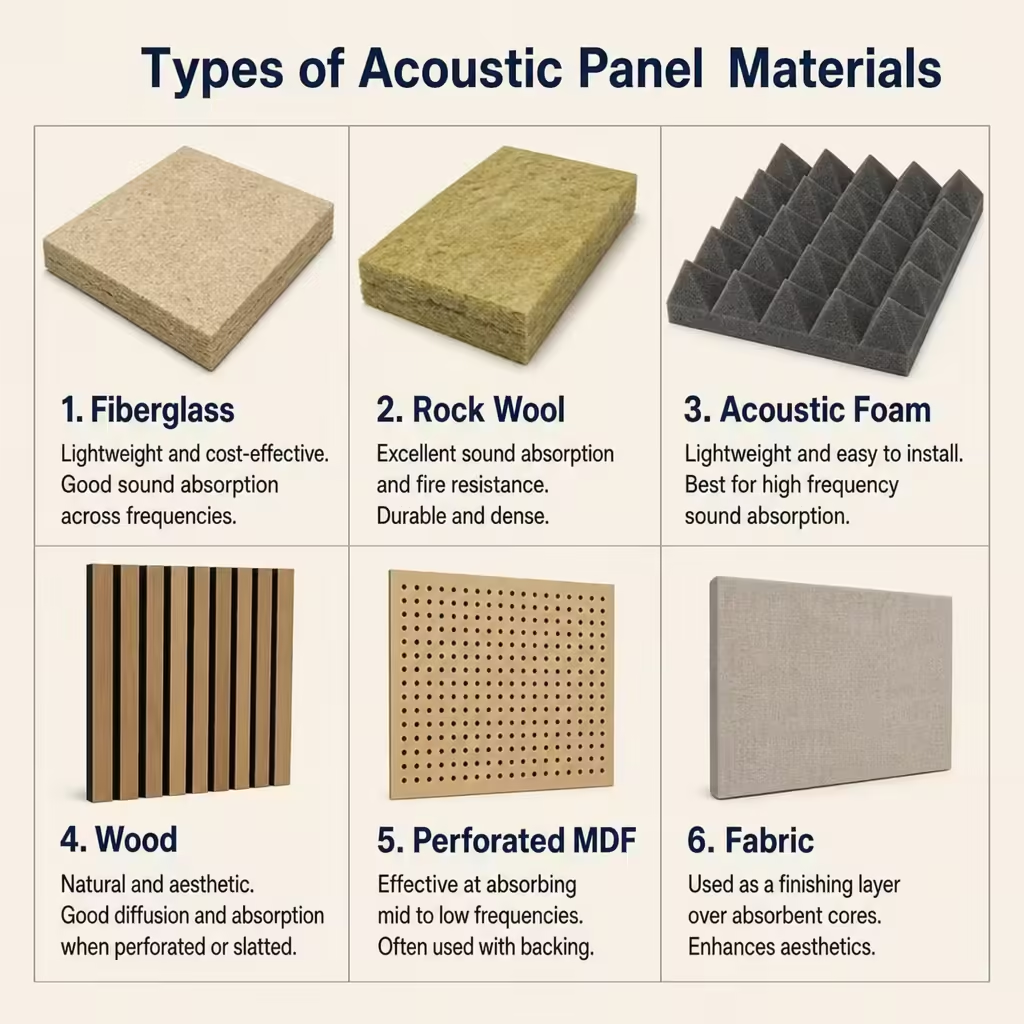
Foam panels are popular for their cost-effectiveness and ease of installation. They are lightweight, come in various colors, and effectively absorb mid to high frequencies. However, they are less effective with low frequencies.
Fiberglass panels provide better sound absorption over a wider range. They are often wrapped in fabric for aesthetics and safety. These panels are suitable for both residential and commercial settings.
Fabric-wrapped panels offer both sound absorption and aesthetic appeal. They come in different designs and colors, making it easy to match any decor. These panels are often preferred in offices and public venues.
Here’s a quick overview:
- Foam Panels: Lightweight, varied colors, mid-high frequency absorption
- Fiberglass Panels: Wide range absorption, fabric wrapped
- Fabric-wrapped Panels: Aesthetic, versatile, tailored designs

Choosing the right type depends on your specific needs. Consider what frequencies you need to target and the design style that suits your space.
Where and When Should You Use Acoustic Panels?
Acoustic panels are versatile tools for sound management. They are particularly useful in spaces prone to echo and noise disturbance. Knowing where and when to use them can maximize their effectiveness.
Home theaters benefit greatly from acoustic panels. They enhance audio clarity and reduce sound reflections, creating an immersive experience. By strategically placing panels, you improve sound detail and reduce distractions.
In offices, panels help reduce noise and improve focus. Open-plan offices, in particular, can become quieter and more productive spaces. Acoustic panels absorb noise and prevent it from traveling across the room.
Classrooms and lecture halls are other ideal locations for acoustic panels. Improved acoustics can enhance speech intelligibility, aiding in better communication and learning. Panels also help reduce external noise from penetrating into these spaces.
Panels are used effectively in:
- Home Theaters: For audio enhancement
- Offices: To reduce workplace noise
- Classrooms: Improving speech clarity
Acoustic panels provide long-term benefits when placed correctly, improving the quality of sound in diverse environments.
How to Maximize the Effectiveness of Acoustic Panels
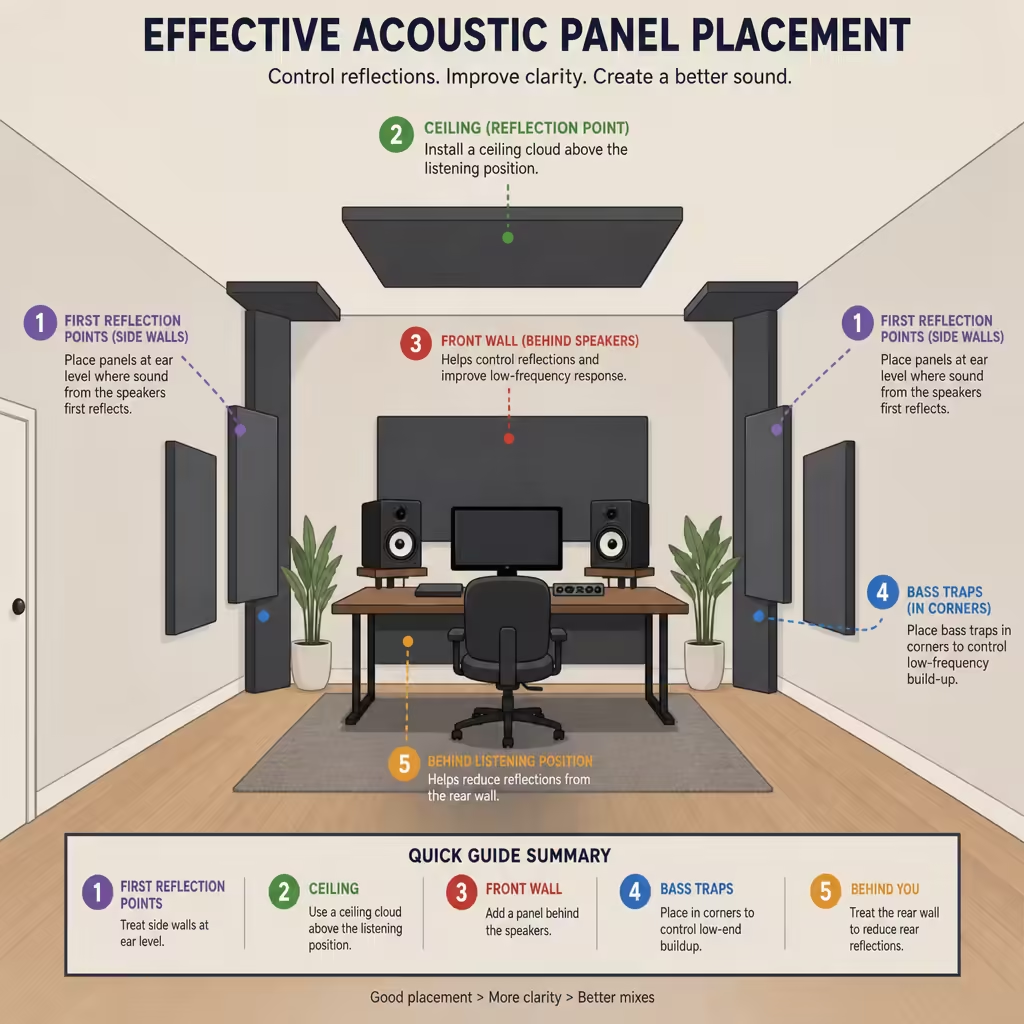
Proper placement is key to maximizing acoustic panel effectiveness. Focus on areas where sound reflections occur most. Identify spots where echoes are prominent, such as walls opposite sound sources.
Using panels of varying thicknesses can improve sound absorption across different frequencies. Thicker panels often handle lower frequencies better. Incorporate a mix of panel sizes and thicknesses for optimal results.
Consider combining acoustic panels with other soundproofing elements. Use carpets, curtains, or bass traps alongside panels. This helps manage a wider range of sound frequencies and enhances overall acoustic performance.
Strategic placement and thoughtful combinations can vastly improve the acoustics of a room:
- Varied Thickness: Handle various sound frequencies
- Combinations: Enhance with carpets or curtains
- Focus Areas: Place panels strategically

Remember, the effectiveness of acoustic panels depends not just on their presence but on informed decisions about where and how they are used. Proper planning increases the likelihood of achieving the desired acoustic environment.
Common Myths and Misconceptions About Acoustic Panels
Many people believe that acoustic panels completely block sound. This is a common misconception. These panels primarily absorb echoes rather than provide full soundproofing.
Another myth is that all acoustic panels are expensive. In reality, a wide range of budget-friendly options are available. Many affordable panels perform effectively without breaking the bank.
Some assume acoustic panels only benefit professional studios. In truth, they are versatile and useful in various settings, like home offices or classrooms. Acoustic panels offer numerous advantages for any space needing sound management.
Here are a few myths debunked:
- Complete Soundproofing: Not their primary function
- High Cost: Affordable options exist
- Limited Use: Benefit diverse settings
Understanding the true capabilities of acoustic panels helps users make informed decisions.
Choosing and Installing the Right Acoustic Panels for Your Space
Selecting the proper acoustic panels involves considering several factors. First, assess the acoustics of the room. Note the size, shape, and materials of surfaces. This helps determine which panels will be most effective.
Next, consider the panel’s material and thickness. Foam, fiberglass, and fabric are common choices, each offering different levels of absorption. Thicker panels usually absorb more low-frequency sounds.
Design is also important when choosing panels. Pick styles that blend well with existing decor. Some panels are available in various colors and shapes, which can enhance a room’s aesthetic appeal.
For installation, strategic placement is crucial. Identify key reflection points on walls and ceilings. Proper placement maximizes sound absorption efficiency. Following these guidelines ensures that acoustic panels are both functional and complementary to your space.
- Room Assessment: Size and surface analysis
- Material Selection: Foam, fiberglass, or fabric
- Design Consideration: Fit decor and aesthetic
- Strategic Placement: Key reflection points

Conclusion: Are Acoustic Panels Worth It?
Acoustic panels can be a valuable addition to many spaces. They significantly improve sound quality and reduce unwanted noise. This makes them ideal for homes, offices, and studios.
While they don’t completely block sound, their benefits outweigh limitations. By absorbing sound, they create a more pleasant and productive environment. This can enhance communication and focus.
Investing in acoustic panels is often a cost-effective decision for better acoustics. They are easy to install and versatile in design. With many options available, finding a solution suited to your needs is straightforward. For anyone seeking to enhance audio environments, acoustic panels provide an effective and aesthetic solution.