
The first impression of a commercial space is often dictated by its walls. In high-traffic environments like corporate lobbies, luxury hotels, and retail flagships, the challenge for architects has always been balancing high-end aesthetics with the brutal reality of construction budgets and timelines. Traditional custom millwork—while beautiful—frequently falls victim to skyrocketing labor costs and extended lead times. This is precisely why Great Wall Panels have emerged as the premier solution for modern interior specifications.
By utilizing a modular approach to textured surfaces, Great Wall Panels allow designers to achieve complex, rhythmic verticality without the need for a specialized carpentry team on-site for weeks. Whether you are aiming for a minimalist Scandinavian vibe or a bold industrial statement, these panels provide the structural rhythm and visual weight necessary to anchor a large-scale commercial interior.
Table of Contents
The Anatomy of Great Wall Panels: Engineering for Durability
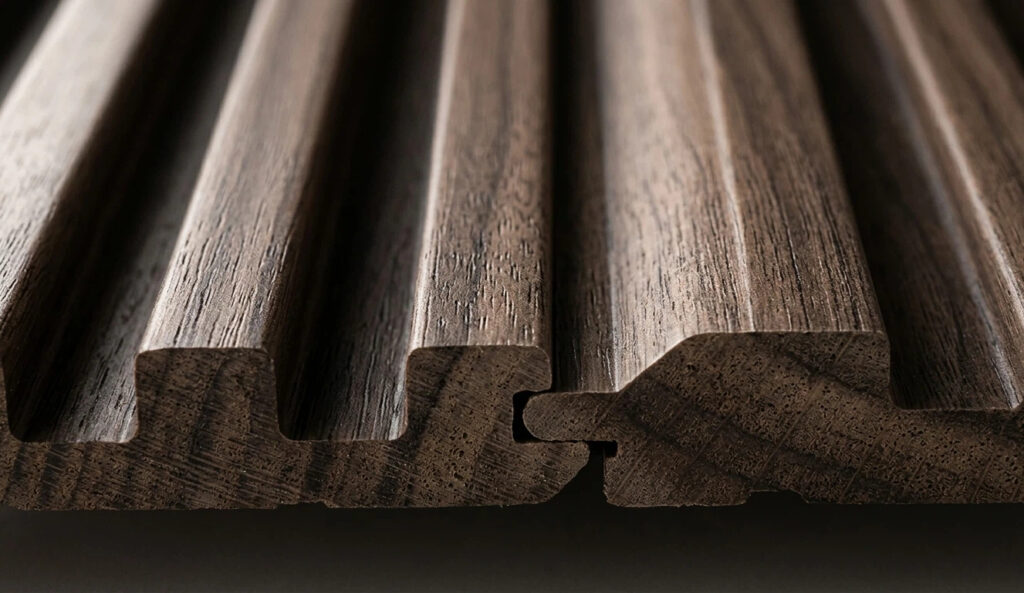
At its core, the Great Wall Panels design is defined by its distinctive fluted or ribbed profile. Unlike flat surfaces, this corrugated structure creates a play of light and shadow that changes throughout the day, providing what architects call “passive animation.” From a material science perspective, most high-quality Great Wall Panels are manufactured using Wood Plastic Composite (WPC), a hybrid material that combines the natural look of timber with the resilience of polymers.
The technical advantage here is significant. Traditional wood is susceptible to warping, moisture absorption, and termite damage—factors that are unacceptable in a long-term commercial lease. WPC-based Great Wall Panels offer a linear expansion coefficient that is much more stable than solid wood. This stability ensures that the tight “tongue and groove” joints remain seamless even in climates with high humidity or fluctuating temperatures.
Overcoming the Hurdles of Cost and Construction Lead Times
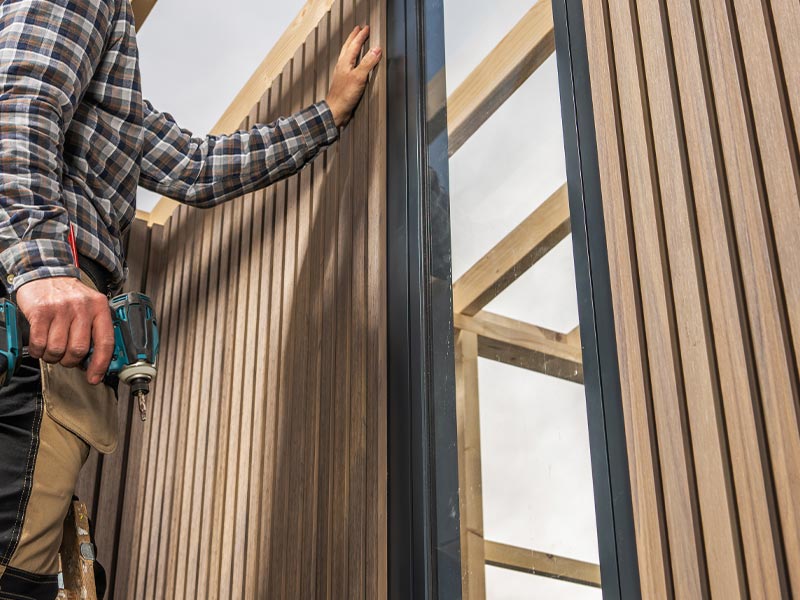
The most significant pain point in commercial renovation is the “dead period”—the time when a space is under construction and not generating revenue. Custom-made fluted timber walls require off-site fabrication, careful transport, and highly skilled installation. Great Wall Panels solve this dilemma through modularity.
Because the panels are lightweight and feature an interlocking system, a standard installation can be completed in a fraction of the time required for traditional carpentry. In a commercial lobby, where every day of scaffolding represents a disruption to tenants and visitors, the speed of Great Wall Panels is a massive operational asset. Contractors can often cover hundreds of square feet in a single shift, drastically reducing the “man-hours” line item on a project budget.
Wood Texture Wall Boards: Sophistication Without the Upkeep
Designers often gravitate toward wood texture wall boards because they provide a sense of organic warmth that metal or stone cannot replicate. However, the maintenance of real wood in a high-traffic lobby can be a nightmare. Scuffs from luggage, fingerprints, and UV fading from large glass facades can quickly degrade the finish.
Modern wood texture wall boards used in the Great Wall series utilize advanced high-pressure laminates or co-extrusion layers. These surfaces are non-porous and resistant to staining, meaning they can be cleaned with simple pH-neutral detergents. For a facility manager, the transition to wood texture wall boards means a significant reduction in the long-term “total cost of ownership,” as there is no need for periodic sanding, staining, or sealing.
Great Wall Panel Installation Ideas for Commercial Lobbies
When it comes to implementation, versatility is the hallmark of this product. Here are several Great Wall panel installation ideas for commercial lobbies that leverage both form and function:
- The Vertical Accent Wall: Placing panels vertically draws the eye upward, making a standard-height lobby feel significantly more spacious and grand.
- Curved Reception Desks: High-quality WPC panels can often be installed on slightly curved surfaces or used to wrap circular columns, providing a cohesive architectural language across the entire space.
- Integrated Lighting Portals: By leaving gaps between the Great Wall Panels and the sub-wall, designers can hide LED ribbons that wash the flutes with light, creating a dramatic, high-end glow for evening ambiance.
- Acoustic Layering: While the panels are primarily aesthetic, when installed over acoustic mineral wool, the fluted shape helps diffuse sound waves, reducing the “echo chamber” effect common in large, hard-surfaced lobbies.
Fire Ratings and Sustainability
In the commercial sector, aesthetics mean nothing if the material fails to meet local building codes. Safety is paramount. Most premium Great Wall Panels are designed to meet strict fire-retardant standards. For instance, achieving a Class B1 fire rating (under EN 13501-1) or a Class A rating (under ASTM E84) is a standard requirement for materials used in public egress areas.
Furthermore, the sustainability of WPC products aligns with LEED and BREEAM certification goals. Many manufacturers use recycled wood fibers and post-consumer plastics, making Great Wall Panels a “circular economy” product. According to the International WPC Alliance, the use of composite materials helps reduce the pressure on old-growth forests while providing a product life cycle that can exceed 20 years without replacement.
Elevating Brand Identity Through Architectural Depth
Why do we choose texture over flat paint? The answer lies in “perceived value.” A flat wall feels temporary; a wall with Great Wall Panels feels permanent and considered. For a corporate headquarters, this architectural depth communicates stability and attention to detail.
By selecting specific finishes—from deep ebony to light oak—you can align the lobby’s atmosphere with the company’s brand identity. The rhythmic nature of Great Wall Panels creates a visual “cadence” that guides visitors through the space, leading them toward the reception desk or elevator banks in a way that feels intuitive and choreographed.
The Business Case
For property developers, the Return on Investment (ROI) of Great Wall Panels is found in the intersection of low entry cost and high market appeal. A lobby renovated with high-quality wood texture wall boards can command higher commercial rents and increase the overall valuation of the property.
Because the installation is dry (no mortar or wet plaster), the risk of damage to existing flooring or furniture is minimized. This makes Great Wall Panels the ideal choice for “occupied renovations” where the building must remain functional during the update.
Finalize Your Commercial Vision
Great Wall Panels represent the future of efficient, high-impact interior design. By choosing a system that prioritizes both the installer’s time and the architect’s vision, you ensure a project that is finished on schedule and above expectations. If you are ready to implement these Great Wall panel installation ideas for commercial lobbies in your next project, consult with a certified WPC specialist to review samples and fire-rating certifications.
[Request a Sample Kit of Our Wood Texture Wall Boards Today]
FAQ
Are Great Wall Panels suitable for outdoor commercial use?
While many are designed for interiors, there are specific “Outdoor Grade” Great Wall Panels with UV-stabilized co-extrusion layers. Always verify the specific SKU with your supplier before external application.
How do you handle corners and edges?
Most systems come with matching “L-shaped” corner trims and end caps. These accessories ensure a clean, professional finish without visible raw edges or “exposed” composite cores.
Can these panels be installed over existing wallpaper or tile?
As long as the substrate is structurally sound and flat, Great Wall Panels can be installed using a combination of high-strength construction adhesive and “hidden clips.” This avoids the cost of stripping old wall coverings.
What is the standard cleaning protocol for wood texture wall boards?
A soft cloth and warm water are usually sufficient. Avoid abrasive pads or solvent-based cleaners, as these can damage the decorative laminate layer of the wood texture wall boards.