
Table of Contents
Soundproof wood panels are acoustic treatment solutions designed to reduce noise levels in various environments. They combine the natural aesthetic of wood with sound-dampening properties, making them ideal for both residential and commercial spaces where noise control is essential. These panels are not only functional but also add a stylish touch to any room, providing an elegant way to improve acoustics.
The core function of soundproof wood panels is to absorb and diffuse sound waves, preventing excessive noise from traveling through walls, ceilings, or floors. This makes them particularly useful in spaces like home theaters, offices, conference rooms, and music studios, where sound clarity and privacy are important.
In this guide, we will explore the different materials used for soundproof wood panels, how they are installed, and the best applications for them. Additionally, we will look at how these panels contribute to both soundproofing and the overall aesthetic of a space, giving you a comprehensive understanding of their benefits and versatility.
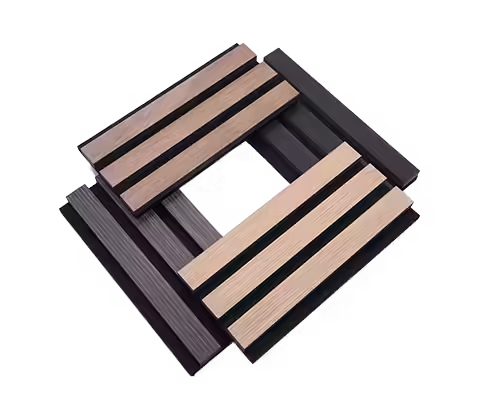
Why Choose Soundproof Wood Panels?
Soundproofing is essential in various environments to enhance comfort, productivity, and privacy. The demand for effective noise reduction has led to innovations like soundproof wood panels, which offer both practical and aesthetic benefits.
Advantages of Soundproof Wood Panels:
- Noise Reduction: Soundproof wood panels help absorb sound, reducing echo and noise levels in a space.
- Aesthetic Appeal: The natural wood finish enhances the decor of a room, blending seamlessly with modern, traditional, or rustic interiors.
- Durability: Wood is a robust and long-lasting material that can withstand wear and tear, making it an investment that lasts.
- Environmentally Friendly: Many soundproof wood panels are made from sustainable, eco-friendly materials, making them a greener choice for noise control.
How Do Soundproof Wood Panels Work?
Understanding how soundproof wood panels function is key to appreciating their value. These panels use a combination of sound-absorbing materials and structural design to reduce sound transmission.
Acoustic Properties:
- Absorption: Wood has natural sound-dampening qualities that help absorb mid to high-frequency sounds, reducing echo and reverb in a room.
- Diffusion: The texture and design of soundproof wood panels can scatter sound waves, breaking them up to create a more balanced sound distribution in the space.
- Mass and Density: The thicker and denser the wood, the better it is at blocking sound from passing through. Many soundproof wood panels use layered construction for better noise isolation.
Materials Used in Soundproof Wood Panels
Different materials contribute to the performance of soundproof wood panels. Here are the most common options:
- MDF (Medium Density Fiberboard): A popular choice for acoustic panels, MDF is dense and effective at absorbing sound. When combined with a wood veneer finish, it offers both soundproofing and aesthetic appeal.
- Plywood: Plywood is a more affordable option that offers moderate soundproofing capabilities. It is often used in residential applications where budget is a concern.
- Solid Wood: High-end soundproof wood panels may use solid wood, which not only provides excellent acoustic performance but also a premium look.
Application scenarios
These panels can be used in a wide range of environments. Below are some of the most common applications:
1.Home Theaters
Theaters often require high-quality soundproofing to ensure an immersive experience. Soundproof wood panels help absorb sound and reduce external noise, creating a clearer audio environment.
2.Offices and Conference Rooms
Theaters often require high-quality soundproofing to ensure an immersive experience. Using acoustic panels helps absorb sound and reduce external noise, creating a clearer audio environment.
In music production and recording studios, precise sound control is crucial for both recording and mixing. Acoustic panels are used to absorb sound, minimize echo, and isolate noise from outside sources.
In busy dining establishments, controlling noise is crucial to creating a comfortable atmosphere. Acoustic panels can enhance acoustic comfort by reducing the sound of chatter and music, allowing customers to converse without being disturbed by loud background noise.




How to maintain a good condition
Maintaining the aesthetic and acoustic quality of these panels requires minimal effort. Here are a few tips to keep them in top condition:
- Dust regularly to maintain their appearance and prevent buildup on the panel surface.
- Use a damp cloth to clean the panels. Avoid harsh chemicals that could damage the wood finish.
- Check for wear periodically to ensure the adhesive or mounting brackets are holding up.
Conclusion
As demand for noise control solutions continues to grow, these panels will remain an essential part of modern interior design. Their ability to reduce noise while adding a natural aesthetic makes them a versatile and highly effective acoustic treatment solution. Whether you’re looking to enhance the acoustics of a home theater, office, or music studio, they provide an attractive and efficient way to meet your soundproofing needs.
If you want to learn more about acoustics, please click here.