
Table of Contents
Studio acoustic panels are an essential component in the design of professional music studios. Whether you’re setting up a home studio or working in a high-end facility, these panels are crucial for controlling sound and achieving the best possible recording environment. Acoustic panels help manage sound reflections, reduce noise, and prevent unwanted reverberation, making them an integral part of any music production space. In this article, we explore why studio acoustic panels are so important for music studios and how they contribute to both sound quality and the overall acoustics of the space.
The Role of Studio Acoustic Panels in Music Production
Acoustic treatment is a key element in creating an optimal music production environment. Studio acoustic panels are designed to absorb sound waves and reduce unwanted reflections that can negatively affect the quality of recordings. These panels work by controlling how sound behaves within the space, ensuring that the sound you hear during mixing or recording is accurate and true to the source. Without proper acoustic treatment, sound can bounce off walls, ceilings, and floors, leading to distortions and inaccuracies in the music.
Absorption and Reflection Control
The main purpose of studio acoustic panels is to manage sound absorption and reflection. When sound waves hit hard surfaces like walls or windows, they bounce back, creating echoes or reverb. This can make it difficult to hear the true sound of the music, leading to poor mixes and recordings. By strategically placing acoustic panels in key areas of the studio, you can absorb unwanted sound reflections, allowing for clearer, more precise audio. This makes a significant difference, especially when mixing tracks or recording vocals, where clarity is crucial.
Reducing Low-End Distortions
One of the most challenging aspects of music production is controlling low-end frequencies. These frequencies are often the hardest to manage, and without proper treatment, they can cause muddiness in the sound. Studio acoustic panels can help address this by providing targeted absorption in the low-frequency range, reducing unwanted bass buildup and ensuring that the sound is balanced. This allows sound engineers to mix and master tracks more accurately, avoiding the common problem of overemphasized bass.

Improving the Acoustic Environment
Creating a Balanced Sound Field
For professional music studios, achieving a balanced sound field is essential. Studio acoustic panels are key to creating an even distribution of sound throughout the room. By strategically placing these panels on walls and ceilings, they help ensure that sound waves are properly diffused and absorbed, preventing any one area from becoming too loud or too quiet. This balanced sound field is crucial for creating accurate mixes, allowing engineers and musicians to make the best decisions during the recording and mixing process.
Control of Reverb and Echo
Reverberation and echo are common problems in music studios without acoustic treatment. These effects can make it difficult to focus on specific details in a mix or recording. Studio acoustic panels help control reverb and echo by absorbing excess sound, ensuring that the room remains acoustically controlled. This is especially important when recording vocals or other instruments that require a dry, clean sound. By reducing reverb, these panels allow for more precise recordings and a clearer sound.

The Benefits of Customizing Acoustic Treatment
Tailoring Acoustic Panels to Your Studio Needs
Not all music studios are the same, and neither are their acoustic needs. Studio acoustic panels come in a variety of shapes, sizes, and materials, allowing you to customize your acoustic treatment to suit the unique characteristics of your studio. Whether you’re dealing with large spaces or small, irregularly shaped rooms, the ability to tailor the acoustic treatment ensures that you get the best possible performance. Customizing the layout and placement of the panels allows you to address specific acoustic challenges, optimizing sound clarity and reducing problem frequencies.
Aesthetic Appeal and Functionality
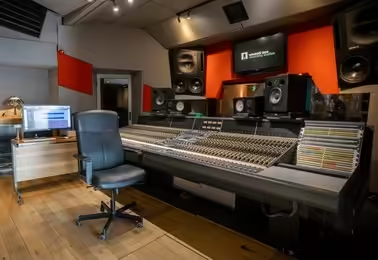
In addition to their acoustic benefits, studio acoustic panels can also enhance the aesthetic appeal of your studio. Available in a wide range of colors and designs, these panels can blend seamlessly with your studio’s decor while serving their primary function of improving acoustics. Whether you prefer a minimalist look or something more vibrant, acoustic panels can contribute to the overall atmosphere of your space, creating an environment that is both functional and visually appealing.
The Cost-Effectiveness of Acoustic Treatment
While the initial investment in studio acoustic panels may seem costly, the long-term benefits far outweigh the expense. Proper acoustic treatment can significantly improve the quality of your recordings and mixes, ultimately saving time and money in the production process. By reducing the need for constant adjustments during mixing or mastering, you can achieve a better sound faster. Additionally, high-quality acoustic panels are durable and require minimal maintenance, making them a cost-effective solution for any music studio.
Conclusion
In conclusion, studio acoustic panels are a vital component of any professional music studio. By controlling sound reflections, reducing reverb, and ensuring accurate sound reproduction, these panels play a key role in creating an optimal environment for music production. Whether you’re mixing tracks, recording vocals, or simply looking to improve the overall acoustics of your studio, investing in quality acoustic panels is a smart decision. With the right treatment, your studio can provide the best possible sound quality, helping you achieve professional results in your music production projects.
If you want to learn more about how Acoustic Panels can enhance the sound quality of your music studio, please click here to learn about our professional audio solutions.