
Table of Contents
In the world of interior design, finding the right materials to transform a space can be a challenge. However, faux wood wall panels offer a solution that combines beauty, versatility, and practicality. They are designed to mimic the natural look of wood, giving your walls a warm and inviting appearance without the high cost and maintenance of real wood. Whether you’re renovating your home or looking to enhance the aesthetic of a commercial space, they provide a modern and eco-friendly alternative.
What Are Faux Wood Wall Panels?
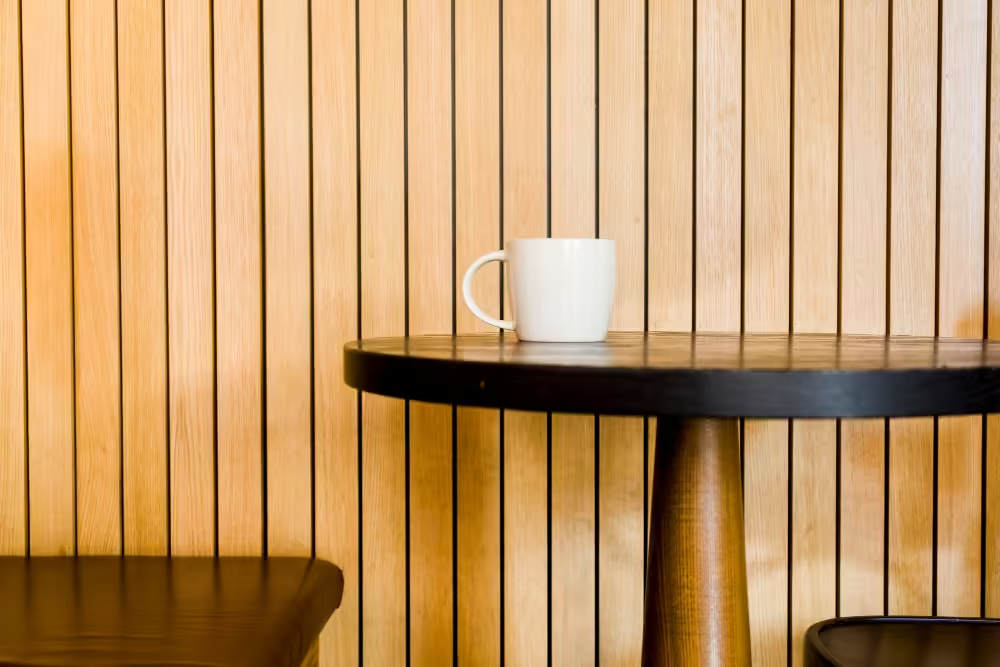
Faux wood wall panels are engineered to replicate the look of real wood but are made from synthetic materials such as PVC, MDF, or other composite materials. They are designed to be lightweight, durable, and easy to install, making them an excellent choice for both residential and commercial applications. Unlike traditional wood, they are resistant to moisture, warping, and fading, making them ideal for use in high-humidity areas like bathrooms, kitchens, and basements.
The beauty of faux wood wall panels lies in their ability to capture the texture and grain patterns of natural wood. Advanced manufacturing techniques allow for realistic designs that mimic a wide range of wood species, from oak and walnut to more exotic woods like teak and mahogany. This means you can achieve the look of a high-end wood finish without the cost or maintenance associated with real wood.
Benefits of Using Faux Wood Wall Panels
One of the most significant advantages of faux wood wall panels is their cost-effectiveness. Natural wood can be expensive, especially if you’re looking for high-quality finishes. On the other hand, they provide the same aesthetic appeal at a fraction of the price. This makes them a perfect option for homeowners, interior designers, and businesses working within a budget.
In addition to being cost-effective, faux wood wall panels are incredibly easy to install. Unlike real wood, which often requires professional installation due to its weight and the need for precision, these panels can be installed by DIY enthusiasts with minimal experience. Most panels are designed with interlocking mechanisms or adhesive backing, allowing for quick and hassle-free installation.
Moreover, faux wood wall panels are highly durable. Unlike real wood, which can be prone to damage from moisture, insects, or physical wear and tear, they are built to withstand the rigors of daily life. They are resistant to scratches, stains, and fading, making them an ideal choice for high-traffic areas.
Versatile Applications of Faux Wood Wall Panels
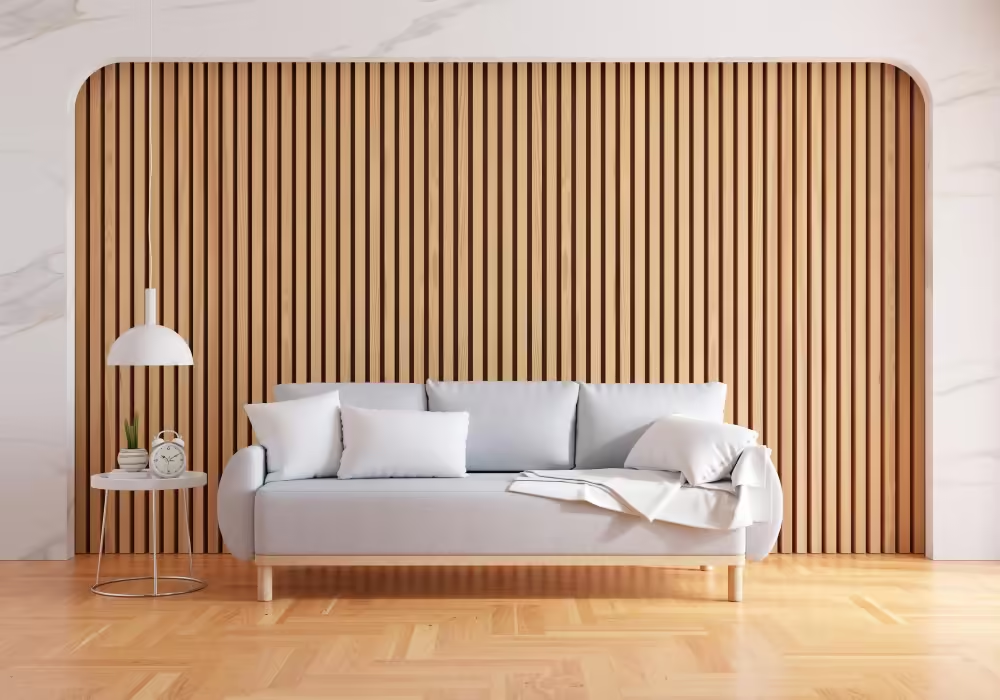
Faux wood wall panels are incredibly versatile and can be used in a wide range of settings. In residential homes, these panels can be used to add warmth and character to living rooms, bedrooms, or dining areas. They can be applied as feature walls, providing a striking contrast to the rest of the room. The natural look of faux wood wall panels helps create a cozy and inviting atmosphere, making them a popular choice for modern homes.
In commercial spaces, faux wood wall panels are often used to enhance the design of restaurants, offices, hotels, and retail stores. The aesthetic appeal of these panels can elevate the look of a space without the high cost of real wood. Additionally, because faux wood wall panels are easy to maintain, they are ideal for businesses that require low-maintenance solutions. They can withstand the daily wear and tear of busy environments while maintaining their visual appeal.
Eco-Friendly Choice for Sustainable Design
Another key benefit of faux wood wall panels is their eco-friendliness. With increasing concerns about deforestation and the environmental impact of using natural wood, faux wood wall panels offer a sustainable alternative. Many manufacturers produce these panels using recycled or renewable materials, reducing the environmental footprint of your design choices.
Choosing faux wood wall panels also means you are opting for a material that requires less maintenance and fewer resources over time. Unlike natural wood, which needs to be refinished, sealed, or treated regularly, they are virtually maintenance-free. This not only saves time and money but also reduces the amount of chemicals and products required for upkeep.
Aesthetic Appeal and Design Flexibility
When it comes to interior design, faux wood wall panels offer unmatched design flexibility. They come in a wide variety of styles, textures, and finishes, allowing you to customize the look of your space. Whether you’re going for a rustic, contemporary, or minimalist look, there’s a faux wood wall panel design to suit your vision.
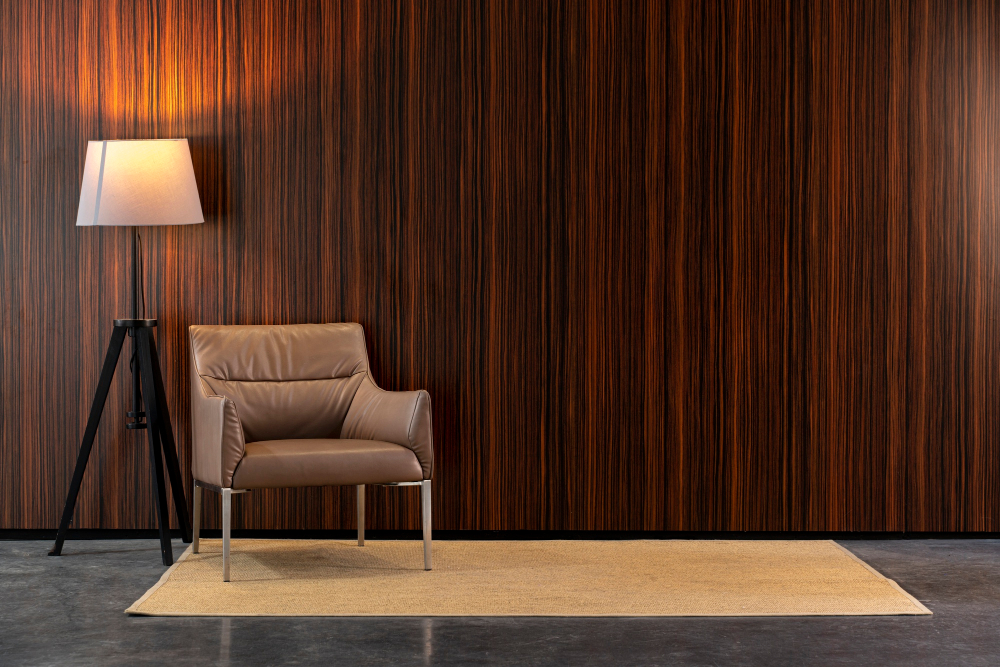
The ability to choose from different wood types, colors, and finishes means you can achieve the exact look you’re aiming for without the limitations of real wood. Whether you want the deep, rich tones of mahogany or the light, airy feel of pine, faux wood wall panels offer a vast range of options to create the perfect atmosphere in any room.
Conclusion
Incorporating faux wood wall panels into your space is a smart, stylish, and sustainable design choice. They offer all the beauty of natural wood, with added benefits like cost-effectiveness, durability, and ease of maintenance. Whether you’re updating your home or outfitting a commercial space, they provide an excellent solution that enhances the aesthetic appeal and functionality of any environment.