
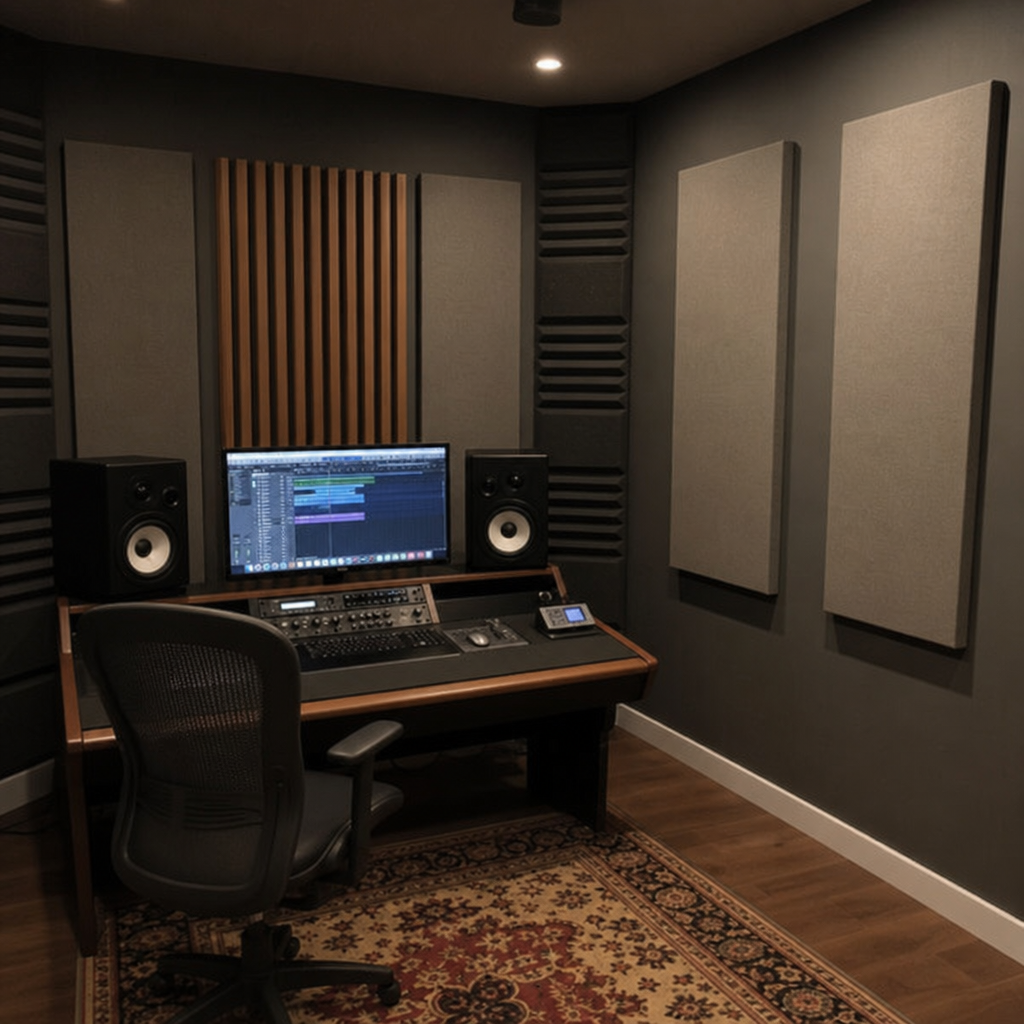
Sound absorbing materials are essential for creating peaceful environments. They help reduce noise and improve acoustics in various spaces.
These materials convert sound energy into heat, minimizing echoes and reverberations. This makes them ideal for homes, offices, and studios.
Choosing the right sound absorbing material can enhance comfort and functionality. It can also improve privacy by reducing sound transmission between rooms.
Different materials offer unique benefits, such as fire resistance or easy installation. Options like foam panels, fiberglass, and mineral wool are popular choices.
Understanding how these materials work can help you select the best option for your needs. Whether for home or commercial use, sound absorbing materials are a valuable investment.
Table of Contents
What Are Sound Absorbing Materials?
Sound absorbing materials are designed to reduce noise levels within a space. They do this by converting sound waves into heat through friction.
These materials are crucial for managing sound in various environments. They help reduce echo and improve clarity in rooms.
Common sound absorbing materials include fiberglass, acoustic foam, and mineral wool. Each offers different properties for specific applications.
Key features of sound absorbing materials include:
- High NRC (Noise Reduction Coefficient) ratings
- Ability to reduce reverberation and echo
- Various forms, such as panels and tiles
By selecting the right material, you can dramatically transform your space. Improving the acoustics enhances comfort and functionality significantly.
How Do Sound Absorbing Materials Work?
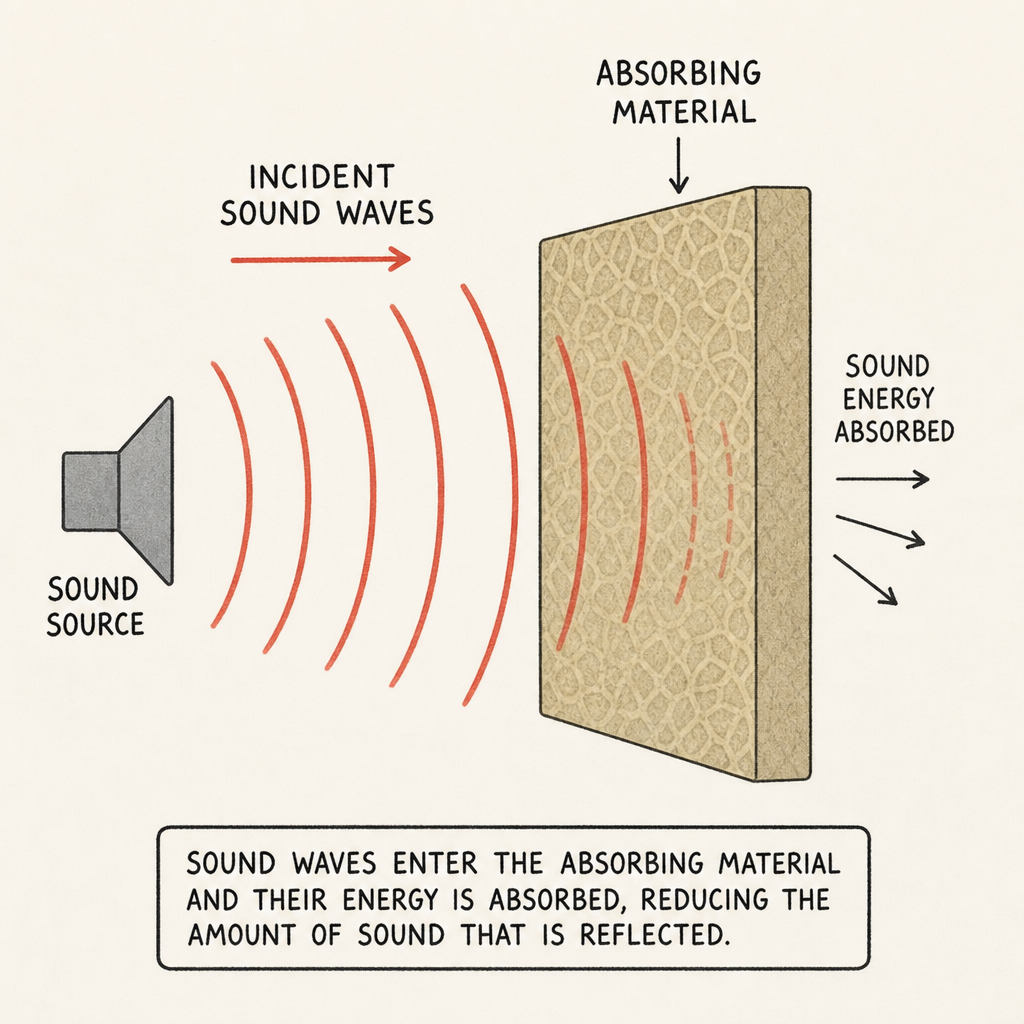
Sound absorbing materials reduce noise by absorbing sound waves. These materials do not block sound. Instead, they minimize the energy by converting sound vibrations into heat.
When sound waves hit an absorbing surface, friction occurs. This friction transforms the sound energy into heat, thus reducing echo and reverberation.
Key characteristics that affect performance include thickness and density. Dense materials are often more effective at sound absorption.
In practice, sound absorbing materials work by:
- Increasing surface area for sound to interact with
- Providing multiple surfaces for sound to bounce off
- Breaking up sound waves to reduce their energy
Understanding these principles helps in choosing materials that match your acoustic needs. By doing so, you can create quieter and more comfortable environments.
Key Benefits of Using Sound Absorbing Materials
Sound absorbing materials offer numerous advantages for different environments. The primary benefit is noise reduction, which enhances the comfort of a space significantly.
By minimizing echoes and reverberations, these materials improve room acoustics. This makes communication clearer, whether it’s speech or music.
Another benefit is the enhancement of privacy. Sound absorbing materials limit the transmission of sound between rooms. This is crucial in shared spaces like offices or apartments.
Their aesthetic appeal also shouldn’t be overlooked. Available in various designs and colors, they can blend seamlessly with interior decor.
Such materials contribute to stress reduction by creating a calm atmosphere. Reducing noise pollution leads to a more peaceful environment.
In summary, the key benefits include:
- Noise reduction
- Improved acoustics
- Enhanced privacy
- Aesthetic enhancement
- Stress reduction
Using sound absorbing materials is an investment in making spaces more functional and comfortable. They offer practical solutions for both homes and commercial properties.
Types of Sound Absorbing Materials
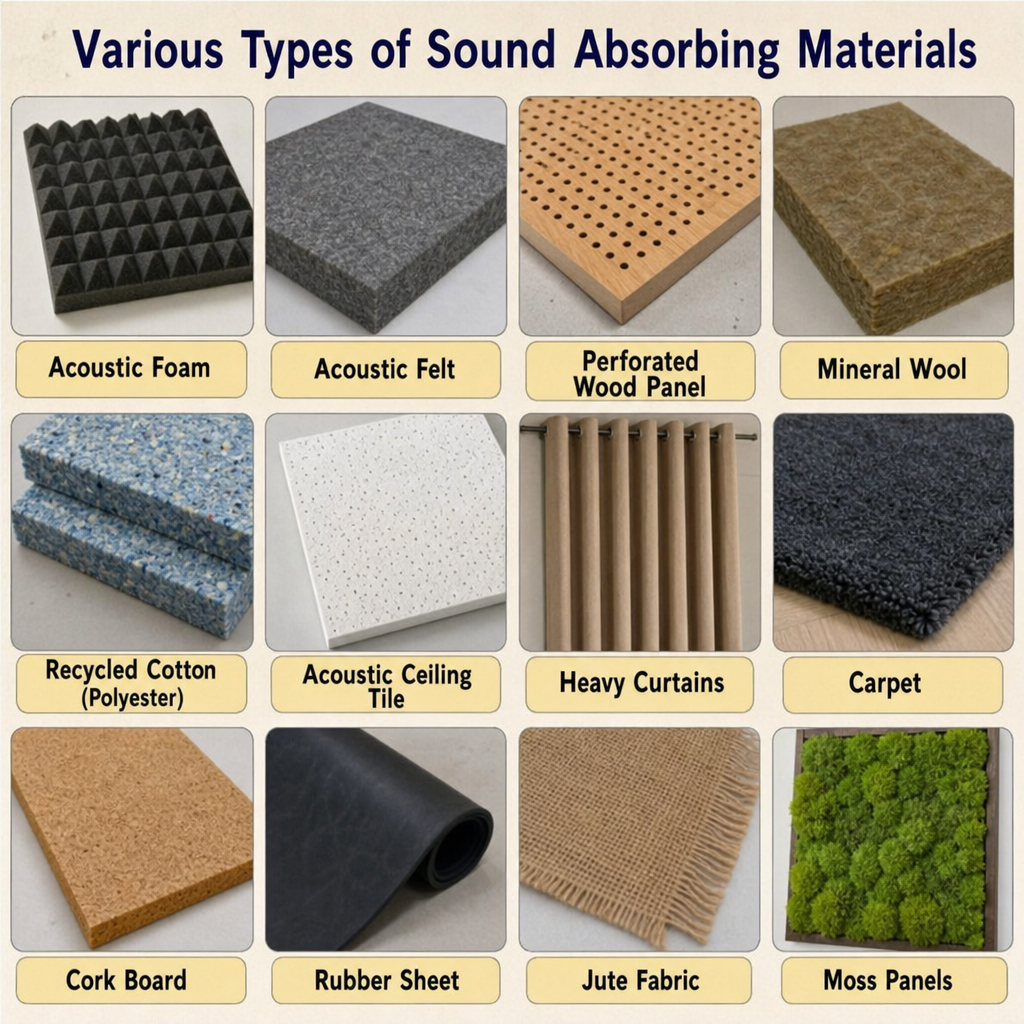
Sound absorbing materials come in various forms, each with unique properties. Understanding these types can help you choose the right one for your needs.
Acoustic foam panels are popular for their ease of use and cost-effectiveness. They are frequently used in studios and home theater setups.
Fiberglass and mineral wool are renowned for their excellent sound absorption capabilities. Their density and thickness make them ideal for commercial and industrial applications.
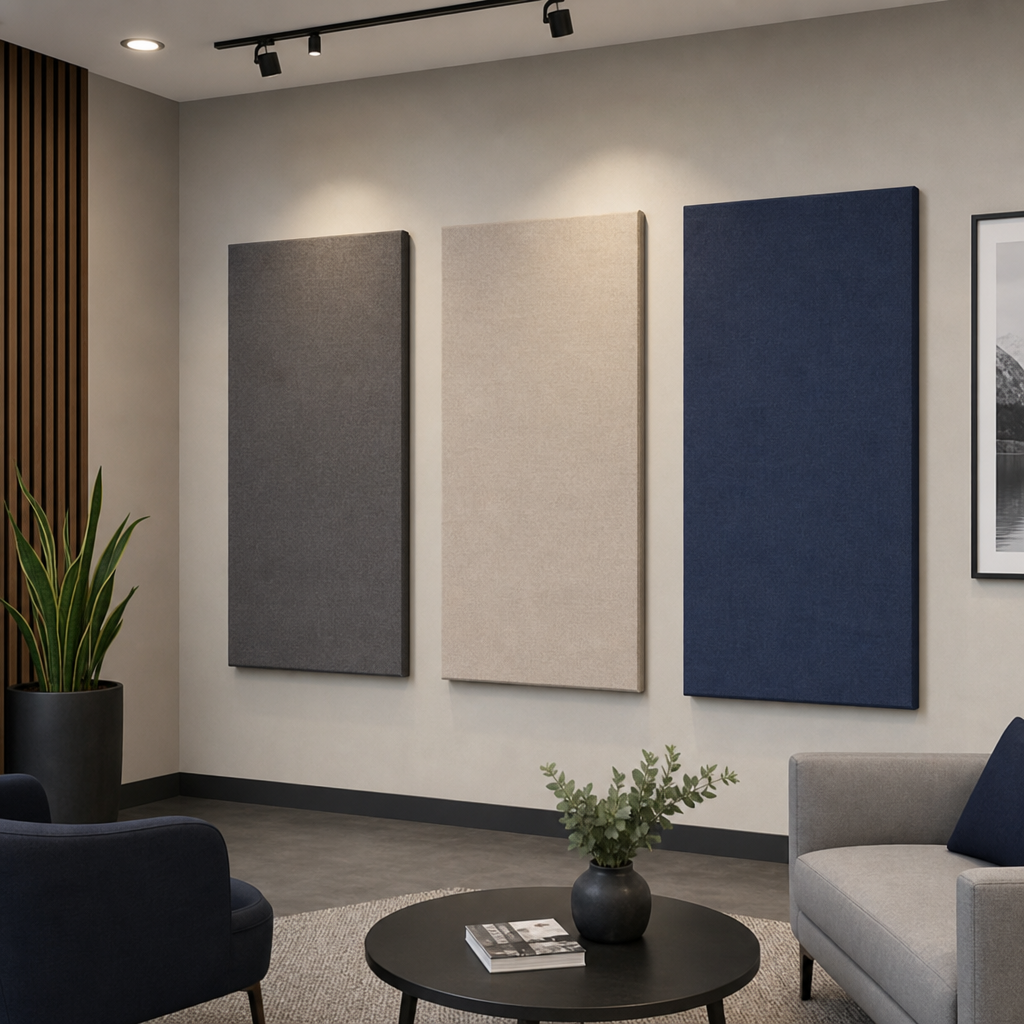
Fabric-wrapped panels offer versatility in design and function. They provide effective sound absorption while enhancing the aesthetic of a room.
Soft materials like curtains and carpets can also absorb sound. These materials are often used in combination with other types for improved results.
When choosing sound absorbing materials, consider factors like installation ease, aesthetic preferences, and budget constraints.
Here’s a quick list of common types:
- Acoustic Foam Panels
- Fiberglass
- Mineral Wool
- Fabric-Wrapped Panels
- Soft Materials
Each material has distinct benefits, making them suitable for different settings and applications.
Acoustic Foam Panels
coustic foam panels are a prevalent choice for sound absorption. They are lightweight, affordable, and easy to install.
These panels come in various shapes and sizes, offering flexibility in design. Their texture aids in breaking up sound waves efficiently.
Foam panels are ideal for DIY projects. You’ll often find them in studios, where controlling noise is crucial.
iberglass and Mineral Wool
Fiberglass is a robust sound absorbing material. It is composed of glass fibers that efficiently trap sound energy.
Due to its density and thickness, fiberglass is considered one of the best materials for sound absorption. It is commonly used in commercial buildings and industrial settings.
Mineral wool is another effective option. It offers sound absorption along with fire-resistant qualities, making it a safe and durable choice.
Fabric-Wrapped Panels and Soft Materials
Fabric-wrapped panels add both function and style to a space. They combine sound absorption with decorative appeal, fitting into various aesthetic themes.
These panels are customizable, allowing for a vast selection of colors and patterns. They are common in both residential and corporate environments.
Soft materials like heavy drapes and carpets can also play a role in sound absorption. They help absorb sound effectively, especially when paired with other acoustic treatments.
Choosing the Best Sound Absorbing Material for Your Needs
Selecting the right sound absorbing material involves assessing your specific requirements. Different settings demand diverse solutions, so your choice should reflect the environment’s needs.
Start by identifying the primary purpose of the sound absorption. Is it for a home theater to enhance the listening experience, or an office space to reduce noise distractions? This will guide your decision on which material suits your situation best.
Consider the aesthetic impact and budget. Fabric-wrapped panels might offer a stylish solution but can be more expensive than foam panels. Determine your budget to ensure your choice meets both aesthetic and financial constraints.
Evaluate ease of installation and maintenance needs. Some materials, like foam panels, are simpler to handle, ideal for DIY projects. Others, such as mineral wool, might require professional installation.
Here’s a quick list to aid your decision:
- Determine the primary use.
- Assess budget constraints.
- Consider aesthetic preferences.
- Check installation ease.
Choosing the correct material is vital for optimal acoustic performance and overall satisfaction.
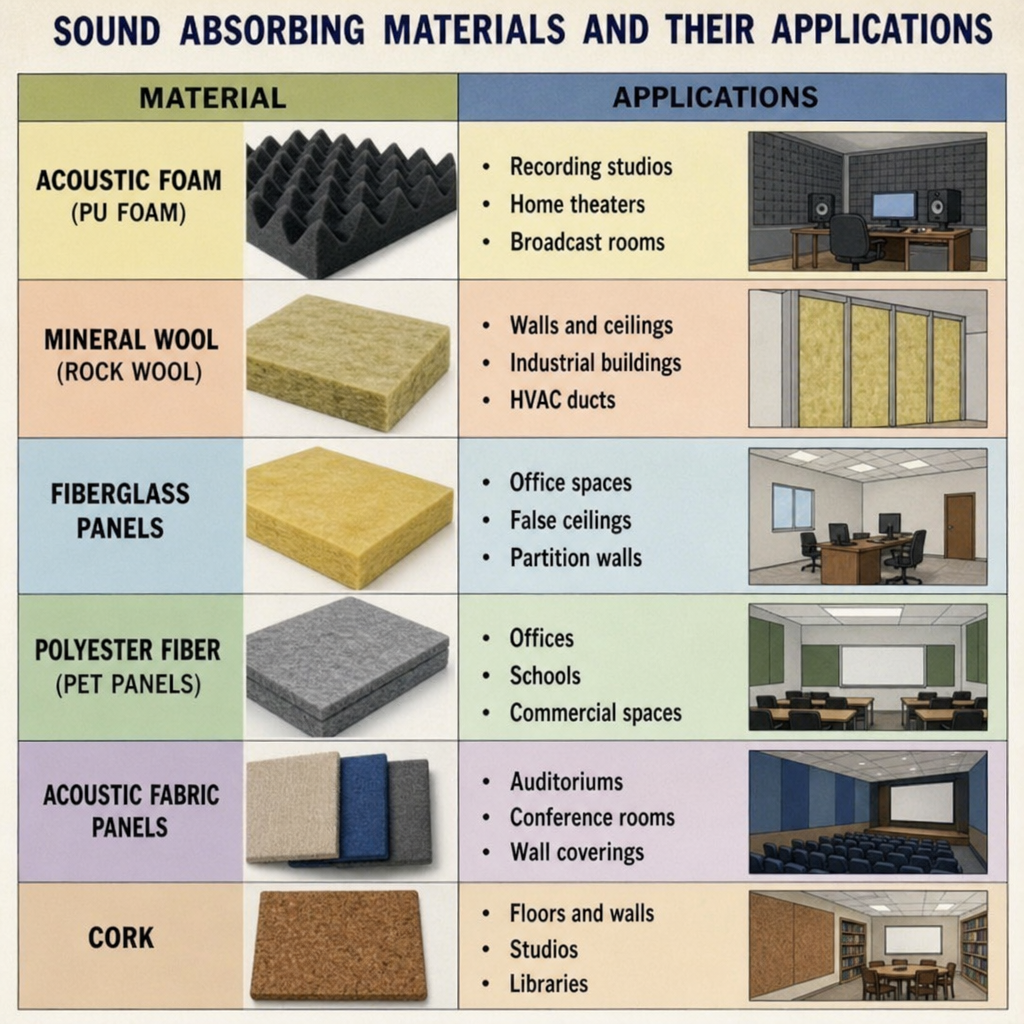
Where to Use Sound Absorbing Materials
Sound absorbing materials are versatile, catering to various settings. They can significantly improve the acoustic quality of different spaces.
In homes, they enhance listening areas such as home theaters and music rooms. This makes for better sound clarity and less echo. Similarly, open-plan offices benefit from these materials, providing a quieter workspace and reducing distractions.
Educational environments also see improvements in speech clarity and concentration when using sound absorbing materials. Libraries and classrooms become more conducive to learning when noise is managed effectively.
They are crucial in public spaces like restaurants and conference rooms. These materials help create an inviting atmosphere by reducing ambient noise, allowing for clear conversations.
Here’s a brief overview of common applications:
- Home theaters and music rooms.
- Open-plan offices.
- Educational facilities.
- Restaurants and conference rooms.
Choosing the right locations to apply sound absorbing materials ensures maximum benefit and improved sound quality.
Installation Tips and Best Practices
Proper installation is key to maximizing the effectiveness of sound absorbing materials. Strategic placement can significantly enhance acoustic performance and user satisfaction.
To start, assess the specific sound issues in your space. Focus on areas with the most echo or noise to determine the best spots for installation. This may include walls, ceilings, or specific corners.
When installing, ensure that materials are securely fastened. Loose panels or improperly installed materials may not perform as expected. It can also result in unsightly sagging over time.
Here’s a quick list of tips:
- Assess sound issues before starting.
- Prioritize high-impact areas.
- Ensure materials are securely fastened.
Implementing these practices will help achieve the best results from your sound absorbing materials.
Frequently Asked Questions About Sound Absorbing Materials
What is the difference between sound absorption and soundproofing?
Sound absorption reduces echoes and reverberation within a space. Soundproofing, on the other hand, blocks external noise from entering or leaving a room.
How do I maintain sound absorbing materials?
Maintenance typically involves regular dusting or vacuuming. Fabric-wrapped panels may also benefit from occasional spot cleaning if stained.
Can sound absorbing materials be used in outdoor settings?
Yes, they can improve acoustics in outdoor areas like patios. Some materials are specifically designed to withstand weather conditions.
Here’s a quick FAQ recap:
- Difference: Absorption vs. soundproofing
- Maintenance tips
- Outdoor use possibilities
Understanding these common questions helps in making informed decisions about using sound absorbing materials.
Enhancing Spaces with Sound Absorbing Materials
Sound absorbing materials significantly improve room acoustics, enhancing comfort and functionality. They reduce unwanted noise, creating a serene environment ideal for listening and communication. By choosing the right materials, you can customize acoustic treatments to match any interior aesthetic.
For any space, from residential to commercial, these materials provide versatile solutions. They offer additional benefits such as improved privacy and aesthetic enhancement. With proper installation, sound absorbing materials contribute to a more pleasant and productive environment, showcasing their value beyond noise control. As such, they are an essential component in modern design for both homes and workplaces.