
Acoustic wood wall panels are more than just decorative elements. They play a crucial role in enhancing sound quality. These panels absorb and diffuse sound waves, creating a more pleasant acoustic environment.
Understanding the dimensions of these panels is essential. The size and thickness can significantly impact their performance. Different dimensions suit different spaces and acoustic needs.
Whether you’re designing a TV wall or an accent wall, choosing the right panel size is key. Acoustic panels can also be used around fireplaces, adding both function and style.
Brown acoustic panels are popular for their natural look. They blend seamlessly with various interior designs. Trepanel acoustic wall panels offer unique designs and superior sound absorption.
This guide will help you navigate the world of acoustic wood panels. Discover how dimensions influence their effectiveness and application.
Table of Contents
What Are Acoustic Wood Wall Panels?
Acoustic wood wall panels are specially designed to control sound. They consist of layers that absorb unwanted noise, reducing echoes in a room. By installing these panels, the acoustics of a space improve significantly.
These panels are crafted from various types of wood, each offering unique sound-absorbing qualities. Often, they’re combined with materials like foam to enhance their performance. This combination helps them manage noise effectively.
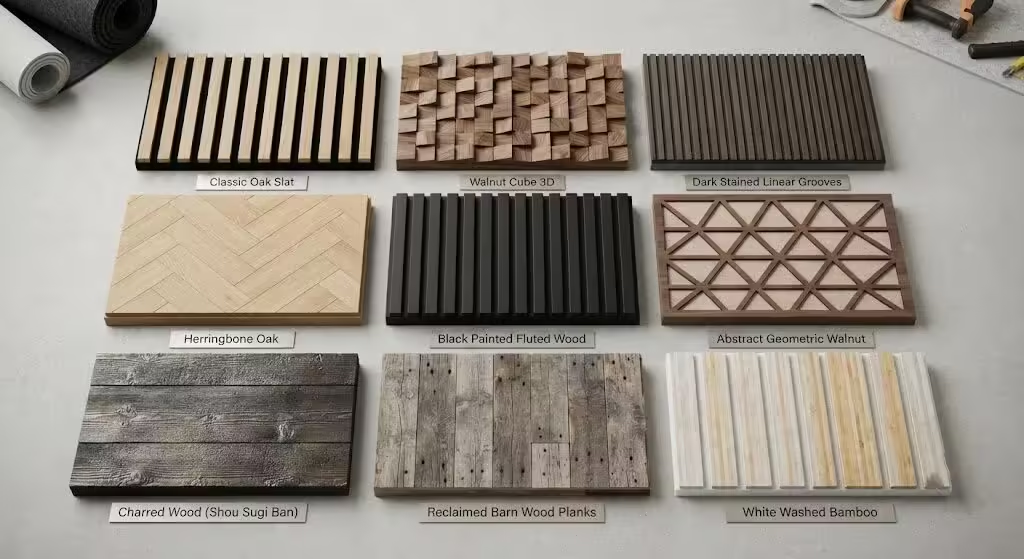
Not only do they provide acoustic benefits, but they also serve as stylish decor elements. Available in many designs and finishes, they can match any interior aesthetic. From rustic to modern, there’s a style for everyone.
Key Features:
- Sound Absorption: Reduces noise and echo.
- Variety of Woods: Offers different acoustics and aesthetics.
- Customizable Designs: Fits any decor style.
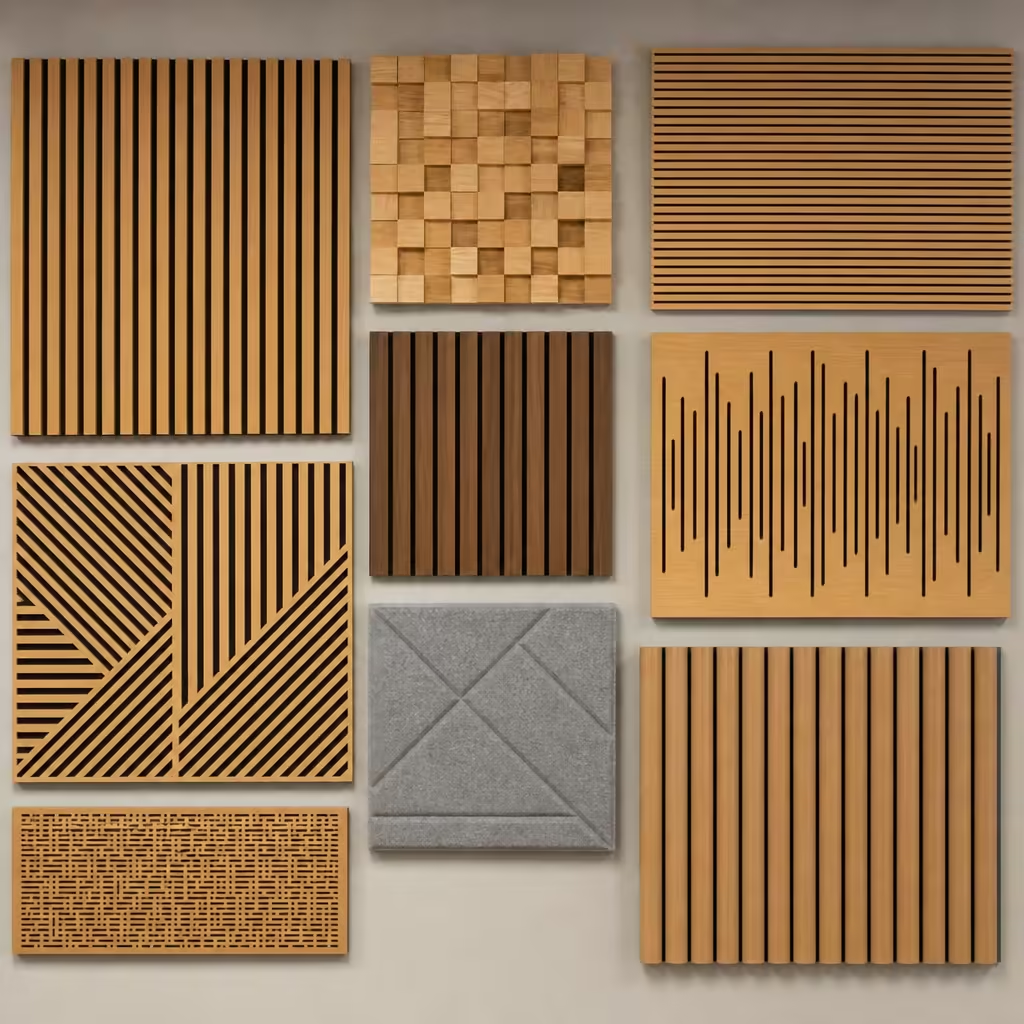
They can be plain or feature intricate patterns to match your interior design. Through this combination of form and function, acoustic panels not only improve the room’s soundscape but also its visual appeal.
Common Dimensions of Acoustic Wood Wall Panels
When selecting acoustic wood wall panels, understanding their dimensions is crucial. The size of the panels affects both their performance and the overall aesthetic. Dimensions typically involve thickness, width, and height.
Thicker panels usually absorb more sound, making them ideal for spaces needing enhanced acoustic control. They are great for studios and open-plan offices. Thicker panels are better at dampening low-frequency sounds.
Width and height are equally important to consider. Standard panel widths range from about 12 inches to 48 inches. Heights can be customized based on the specific requirements of the space. Bigger panels cover more surface area, impacting sound absorption.
Common dimensions you might encounter include:
- 24 x 24 inches
- 48 x 24 inches
- 48 x 48 inches
- Thickness from 1 to 4 inches
These dimensions can be modified to suit design needs. Custom sizes are often an option for unique spaces. This flexibility allows the panels to be tailored to the architecture of the room.
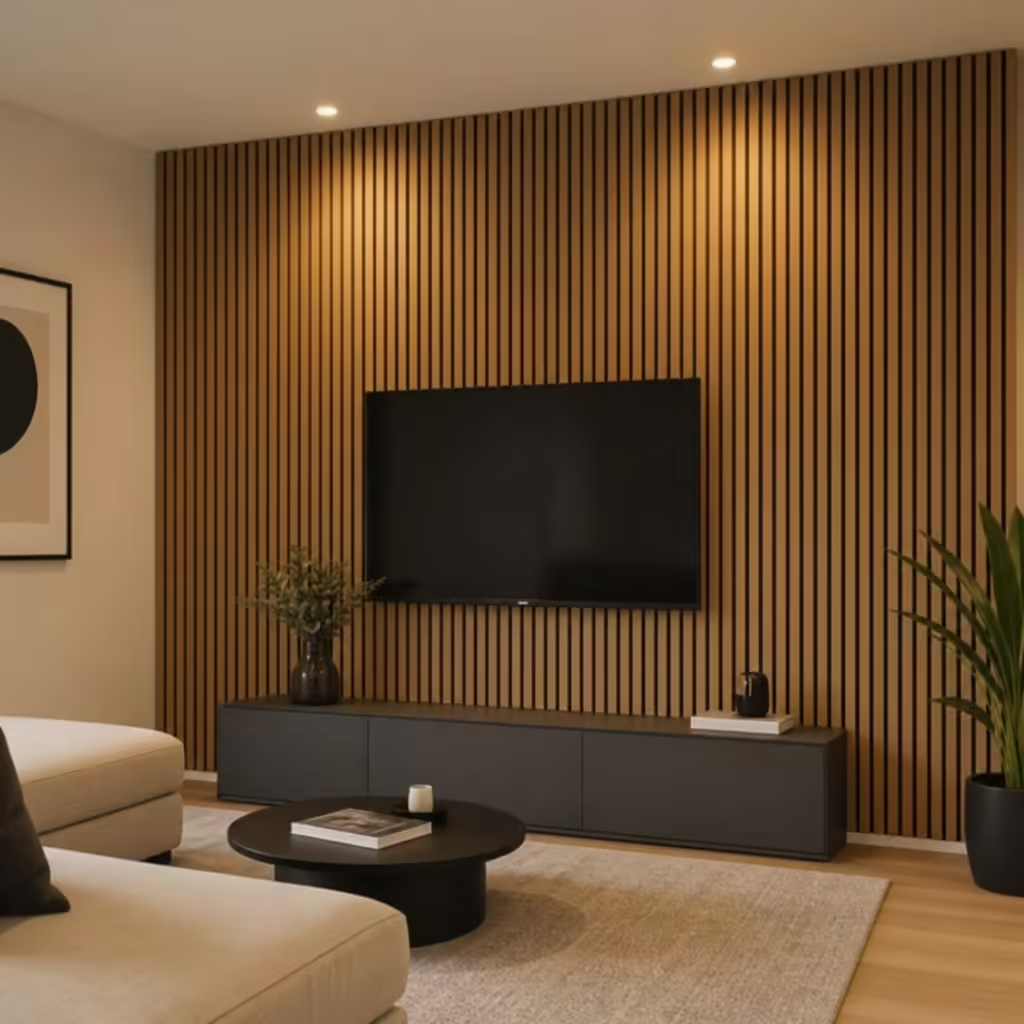
Ultimately, the right dimensions depend on the specific acoustical goals and room size. Panels should ideally be selected to address existing sound issues like echoes or lack of clarity. Customization helps solve unique acoustic challenges while also meeting aesthetic preferences.
Understanding these common dimensions can guide you in selecting the best paneling for your space. Tailoring the dimensions ensures both functional and decorative benefits are maximized.
How Dimensions Affect Acoustic Performance
The dimensions of acoustic wood wall panels significantly influence their ability to manage sound. Notably, thickness plays a crucial role in sound absorption. Thicker panels generally absorb more sound, particularly at lower frequencies. They create a quieter, more comfortable environment by reducing bass and ambient noise.
Width and height also impact performance. Larger panels cover more surface area and enhance overall effectiveness. They improve sound quality in larger rooms where sound waves travel farther.
Different dimensions serve specific acoustical purposes. Here is how they can affect acoustic performance:
- Thickness: Thicker panels excel at absorbing low-frequency sounds.
- Width: Wider panels cover more area, increasing sound absorption.
- Height: Taller panels are suited for high ceilings and larger spaces.
A balance between dimensions ensures optimal sound control. For spaces like home theaters, deeper panels may be necessary to enhance sound clarity. In contrast, smaller rooms might benefit more from strategically placed compact panels.
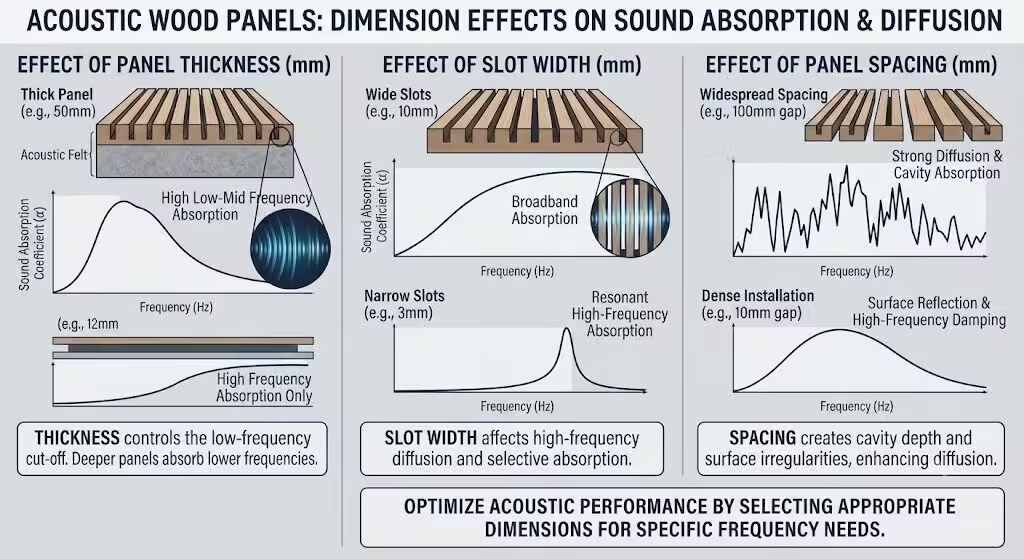
Choosing the right size involves understanding both the room’s acoustics and design goals. A variety of sizes can be used to specifically target sound issues, like echoes or reverberation. Assessing the unique sound challenges of a room is essential for selecting the appropriate panel dimensions.
Ultimately, the dimensions chosen should align with both functional acoustical needs and aesthetic desires. This thoughtful selection can significantly enhance a room’s soundscape and visual appeal.
Choosing the Right Panel Size for Your Space
Selecting the right size of acoustic wood wall panels involves considering several factors. Room size is the primary determinant. Larger spaces typically need bigger or more numerous panels to effectively manage sound. Conversely, smaller rooms may require fewer or smaller panels for optimal effect.
The purpose of the space influences panel size, too. Music rooms or home theaters benefit from thicker panels for better sound fidelity. In contrast, general living areas might prioritize smaller panels to maintain a balance between aesthetics and acoustics.
Think about the layout of the room as well. Large open spaces can cause sound to bounce excessively. Placing larger panels strategically in these areas can mitigate echoes and improve acoustic quality.
Here’s what to consider when deciding on panel size:
- Room size: Larger rooms need more coverage.
- Usage: Specialized spaces benefit from tailored dimensions.
- Layout: Use panels to counteract sound reflections.
It’s also helpful to align the panel dimensions with the room’s existing decor. This ensures that the panels not only serve an acoustic function but also complement the space visually. By taking these aspects into account, you can make an informed decision that enhances both sound and style in any given space.
Applications: TV Walls, Accent Walls, and Fireplaces
Acoustic wood panels are versatile in their applications around the home. One popular area is the TV wall. Installing panels around a television can improve sound quality and reduce echoes, creating an immersive viewing experience.
Another application is the accent wall. These panels not only enhance acoustics but also serve as decorative focal points. Brown acoustic panels, for example, bring warmth and texture to a space, complementing various design styles.
Fireplaces also benefit from acoustic treatment. Installing panels around a fireplace can help manage the sound from crackling logs while adding to the visual appeal of the hearth. The right panels can transform a fireplace into a central gathering spot, both cozy and functional.
Consider these application options for your home:
- TV Walls: Enhance viewing acoustics.
- Accent Walls: Combine aesthetics and function.
- Fireplaces: Improve sound and ambiance.
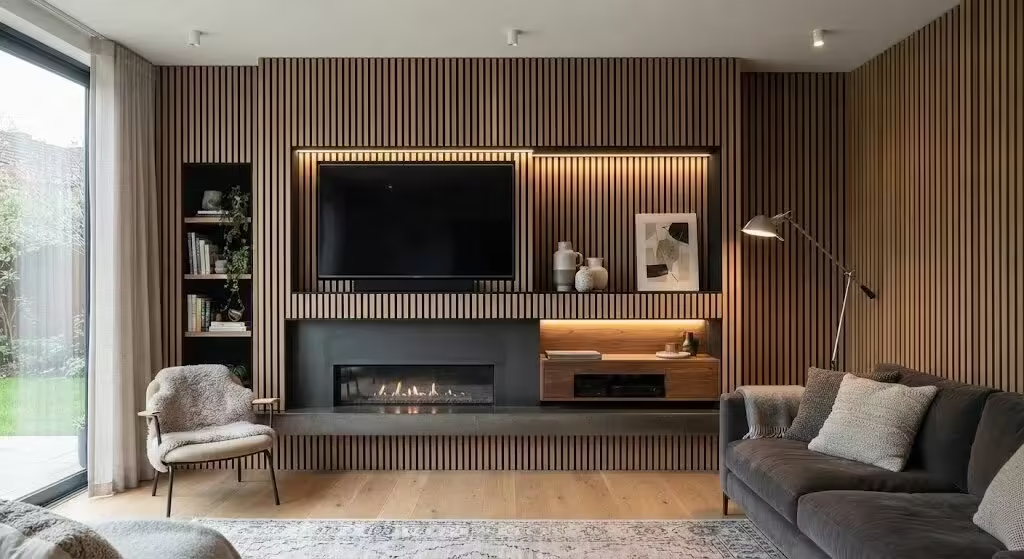
Choosing the right panels for these areas involves considering both aesthetic desires and acoustic needs. With thoughtful placement, acoustic wood panels can significantly elevate the quality of any home environment.
Design Options: Colors, Finishes, and Trepanel Panels
Acoustic wood panels are not just functional; they are aesthetic elements too. A myriad of design options allows them to integrate seamlessly into any decor. Colors, from neutral browns to vibrant hues, can align with different themes.
Finishes play a crucial role in the panels’ visual appeal. Matte and glossy finishes offer distinctive looks, with matte providing a subtle touch and glossy adding a hint of sophistication. The choice of finish can transform the ambiance of a space and influence how light interacts with the surface.
Trepanel acoustic wall panels are notable for their unique designs. These panels combine superior sound absorption with eye-catching aesthetics, making them a popular choice among interior designers. Their artistic patterns can serve as statements in any room, adding both depth and character.
Here’s what to consider for panel design options:
- Colors: Match the room’s palette.
- Finishes: Choose between matte or glossy.
- Trepanel Panels: Opt for artistic designs.
Installation Tips for Acoustic Wood Panels
Installing acoustic wood panels can enhance both sound quality and the visual appeal of your space. The process involves some essential steps to ensure optimal performance and durability. Careful planning and execution are key to a successful installation.
Before starting, assess the wall where the panels will be installed. Ensure it’s clean, dry, and free of any imperfections. This will provide a solid foundation for the panels and prevent future issues.
Next, gather the right tools. Standard tools include a level, screws or adhesive, a drill, and measuring tape. Having the right tools on hand will make the installation smoother and more efficient.
When placing the panels, consider their alignment. Use a level to ensure they are straight. Precise positioning affects both appearance and acoustic effectiveness.
For best results, professional installation is recommended, especially in large or complex projects. However, if you’re going the DIY route, follow these essential tips:
- Preparation: Clean and prep the wall.
- Tools: Gather necessary installation tools.
- Alignment: Ensure panels are straight.
Maintenance and Longevity of Acoustic Panels
Proper maintenance ensures that your acoustic panels continue to perform effectively over time. Routine cleaning is essential to maintain the panels’ appearance and function. Dust panels lightly with a soft cloth or vacuum them using a brush attachment to avoid damage.
In addition to regular cleaning, inspect the panels periodically for any signs of wear. Checking for loose fittings and tightening them if necessary helps prevent further issues. Address any damage promptly to avoid impacting their acoustic performance.
Here are key maintenance tips to maximize your panels’ longevity:
- Regular Cleaning: Dust and vacuum gently.
- Routine Inspections: Check and secure fittings.
- Immediate Repairs: Address damage quickly.
These practices contribute significantly to the durability and effectiveness of your acoustic panels over time.
Enhancing Spaces with the Right Dimensions
Choosing the right dimensions for acoustic wood panels transforms spaces both acoustically and aesthetically. The right size and style can make all the difference in achieving optimal sound absorption.
By understanding how dimensions affect performance, you can select panels that cater perfectly to your needs. Whether for a TV wall or as an accent feature, the right panels enhance both the sound and look of your environment. Thoughtful selection ensures these panels meet your specific acoustic and decorative goals.