
acoustic panels for restaurants are not about making a dining room silent. They are about making the room easier to enjoy. A good restaurant can still feel lively, but guests should not have to shout across the table, staff should not fight background noise all night, and the interior should not lose its visual identity.
Table of Contents
Why Restaurant Noise Becomes a Business Problem
Restaurant noise is not just an acoustic issue. It affects comfort, table conversation, reviews, staff fatigue, and how long guests want to stay.
That is why acoustic panels for restaurants should be part of the design conversation, especially in spaces with hard floors, glass walls, metal ceilings, exposed concrete, open kitchens, and high seating density.
When sound keeps bouncing between hard surfaces, the room becomes louder as more people talk. Guests raise their voices, the next table talks louder, and the whole space becomes harder to control.
How Acoustic Panels for Restaurants Improve Conversation Comfort
The goal is not to remove all energy from the room. The goal is to reduce harsh reflections and shorten the echo that makes speech muddy.
This is where acoustic panels for restaurants are useful. They do not replace good layout, furniture, or ceiling design, but they add absorption where the room needs it most.
A quieter room can help guests:
- hear table conversations more clearly
- feel less tired during long meals
- enjoy music without it becoming harsh
- stay longer without discomfort
- experience the space as premium rather than chaotic
For owners, acoustic panels for restaurants can support customer experience without changing the restaurant’s concept.
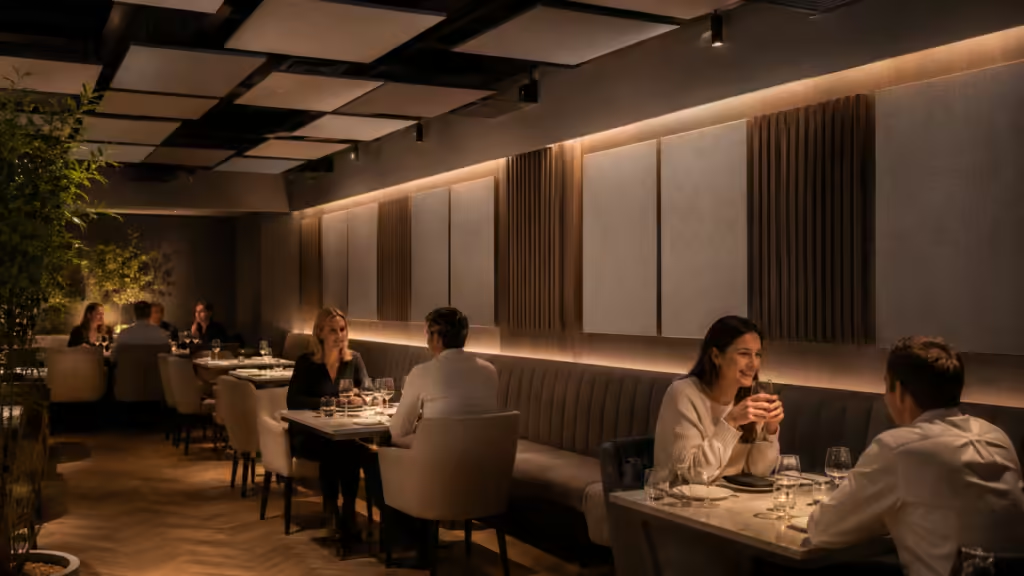
Acoustic Panels for Noisy Restaurants: Signs You Need Them
Not every restaurant needs the same acoustic treatment. But acoustic panels for noisy restaurants become important when the problem is visible in daily service.
Look for these signs:
1.Guests lean forward to hear each other.
2.Staff repeat orders often.
3.Reviews mention “too loud” or “hard to talk.
4.Music volume keeps increasing during busy hours.
5.The room feels sharp, echoey, or tiring when full.
6.Open kitchen noise spreads across the dining area.
7.Private dining rooms do not feel private.
If you need to raise your voice to speak to someone three feet away, noise levels might be over 85 dBA. NIDCD also explains that long or repeated exposure to sounds at or above 85 dBA can cause hearing loss. Restaurants are not usually discussed like industrial workplaces, but these references show why noise should not be treated as a minor comfort issue.
How to Reduce Restaurant Noise Without a Full Renovation
Many owners search for how to reduce restaurant noise because they do not want to close for a major rebuild. The good news is that restaurant noise control can often begin with targeted changes.
Start with the surfaces that reflect the most sound:
- large empty walls
- hard ceilings
- glass partitions
- bar back walls
- long corridors
- open kitchen edges
- private room walls
acoustic panels for restaurants can be installed on walls, ceilings, or selected feature areas. In many cases, decorative wall panels can turn acoustic treatment into part of the interior design instead of making it look like an afterthought.
Other methods can help too. Upholstered seating, curtains, plants, rugs in suitable areas, and layout changes can all support sound control. But soft décor alone is often not enough in busy restaurants with tile, stone, glass, and concrete.
Where Acoustic Panels for Restaurants Work Best
Placement matters. Covering one small corner rarely solves a noisy dining room.
The best locations for acoustic panels for restaurants usually include:
Dining area walls
These are often the largest reflective surfaces. Wall-mounted panels help reduce side reflections and improve speech comfort.
Ceilings above tables
Ceiling panels or suspended baffles work well in high spaces, open-plan dining rooms, and restaurants with hard floors.
Behind bar counters
Bars create noise from glassware, staff movement, music, and conversation. Panels behind or near the bar can reduce sharp reflections.
Near open kitchens
Open kitchens look attractive, but they add metal, equipment, voices, and impact sounds. Sound absorbing panels near transition zones can help.
Private dining rooms
These rooms need clarity and privacy. acoustic panels for restaurants can make private dining feel more controlled and comfortable.
Decorative Wall Panels Should Protect the Brand Look
Some restaurant owners avoid acoustic treatment because they imagine plain gray foam. That is a mistake.
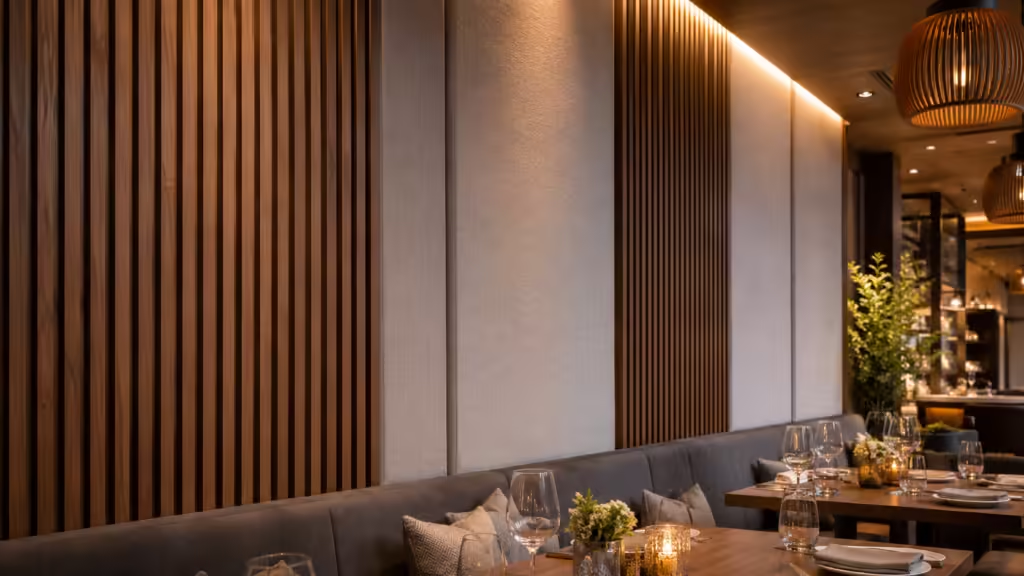
Modern decorative wall panels can match the interior style while improving acoustic comfort. Wood slat panels, fabric-wrapped panels, grooved surfaces, and color-matched systems can work with different restaurant concepts.
For example:
- warm wood finishes suit cafés, bistros, and casual dining
- dark acoustic panels fit bars, steakhouses, and fine dining
- light neutral panels suit bakery, brunch, and wellness-style spaces
- vertical slat designs add height and rhythm to narrow rooms
- custom colors can match brand identity
For more design inspiration, see to acoustic panels for modern interiors.
When acoustic panels for restaurants look intentional, they become part of the dining atmosphere instead of a repair solution.
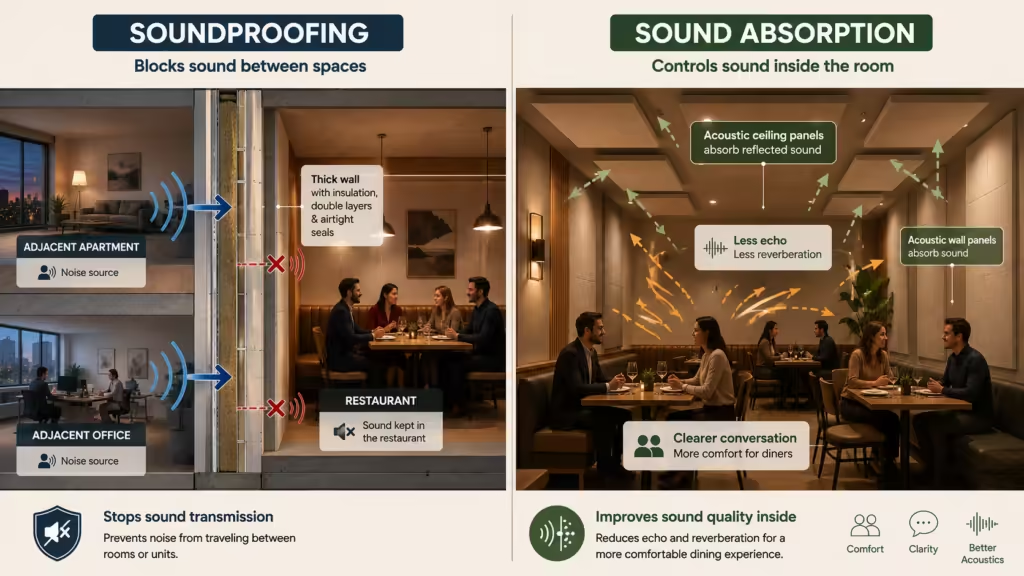
Acoustic Panels vs Soundproofing in Restaurants
A common mistake is confusing absorption with soundproofing.
Soundproofing blocks sound from passing between spaces. It is useful when noise travels to apartments, offices, hotel rooms, or neighboring businesses.
Sound absorption controls sound inside the restaurant. It reduces echo, reverberation, and reflected noise within the dining room.
Most noisy restaurants need absorption first. If guests cannot hear each other inside the same room, sound absorbing panels are often more relevant than heavy soundproofing construction.
For restaurants near sensitive neighbors, both strategies may be needed. But for dining comfort, acoustic panels for restaurants usually target interior reflections.
Choosing Panels That Fit Commercial Dining Spaces
Before ordering acoustic panels for restaurants, check more than color and price.
A practical checklist should include:
- sound absorption performance
- fire safety requirements for commercial interiors
- surface durability
- cleaning and maintenance needs
- wall or ceiling installation method
- custom size options
- color and finish matching
- edge and corner details
- lead time for restaurant projects
For product selection, acoustic panels page can be used as an internal product reference.
A good panel choice should improve the soundscape and still look appropriate for the restaurant brand. In planning acoustic panels for restaurants, think in zones, not isolated products.
Common Restaurant Noise Control Mistakes
Restaurant noise control fails when it is treated as decoration only.
Avoid these mistakes:
- installing too few panels in one isolated area
- ignoring the ceiling in a high, reflective room
- choosing panels only by color, not absorption
- using soundproofing when the real problem is echo
- adding more music to hide noise
- forgetting private dining rooms and waiting areas
- waiting until negative reviews appear before fixing acoustics
A better approach is to identify noise sources, map reflective surfaces, and use acoustic panels for restaurants where they can make the biggest difference.
Final Thoughts
acoustic panels for restaurants are not about killing the atmosphere. They are about making the atmosphere easier to enjoy. A restaurant can still feel warm, busy, and social while giving guests enough acoustic comfort to talk, relax, and stay longer.
The smartest approach is to treat noise as part of interior design. With the right placement, decorative wall panels, and sound absorbing panels, acoustic panels for restaurants can reduce echo, support restaurant noise control, and help create a quieter dining experience without losing style.
FAQ
Do acoustic panels really work in restaurants?
Yes. They reduce reflected sound and echo, which can improve conversation clarity and comfort.
How many panels does a restaurant need?
It depends on room size, ceiling height, surface materials, and noise level. A small café and a large open dining room need different layouts.
Where should panels be installed first?
Start with large reflective walls, ceilings above tables, bar areas, open kitchen edges, and private dining rooms.
Can acoustic panels match restaurant design?
Yes. Decorative wall panels can use wood finishes, fabric colors, slat patterns, and custom sizes to match the interior.
What is the difference between absorption and soundproofing?
Absorption improves sound inside the room. Soundproofing blocks sound from moving between rooms or buildings.
How can restaurants reduce noise without renovation?
Use sound absorbing panels, soft seating, selected ceiling treatment, layout changes, and targeted wall coverage.