
Table of Contents
Waterproof SPC Flooring has changed how homeowners and renovators think about wet zones. In spaces where moisture, spills and humidity used to force choices between tile or expensive moisture-proof systems, this material now offers a practical, attractive alternative.
Why “waterproof” matters in real homes
Moisture is not just water on the surface. Long-term dampness, condensation and episodic standing water create environments for mold, adhesive failure, and dimensional damage to many floor types. That’s why choosing genuine Waterproof SPC Flooring is not a stylistic choice — it’s a risk-management decision for the whole house.
What SPC actually resists (and what it doesn’t)
SPC—Stone Plastic Composite—uses a mineral-rich rigid core that resists swelling and absorption. Unlike wood-based laminates, SPC boards remain dimensionally stable after spills and short-term flooding, which is why Waterproof SPC Flooring is recommended for kitchens, bathrooms and basements. But note: substrate moisture and poor transitions still create problems if installers skip prep.
Room-by-room — practical scenarios
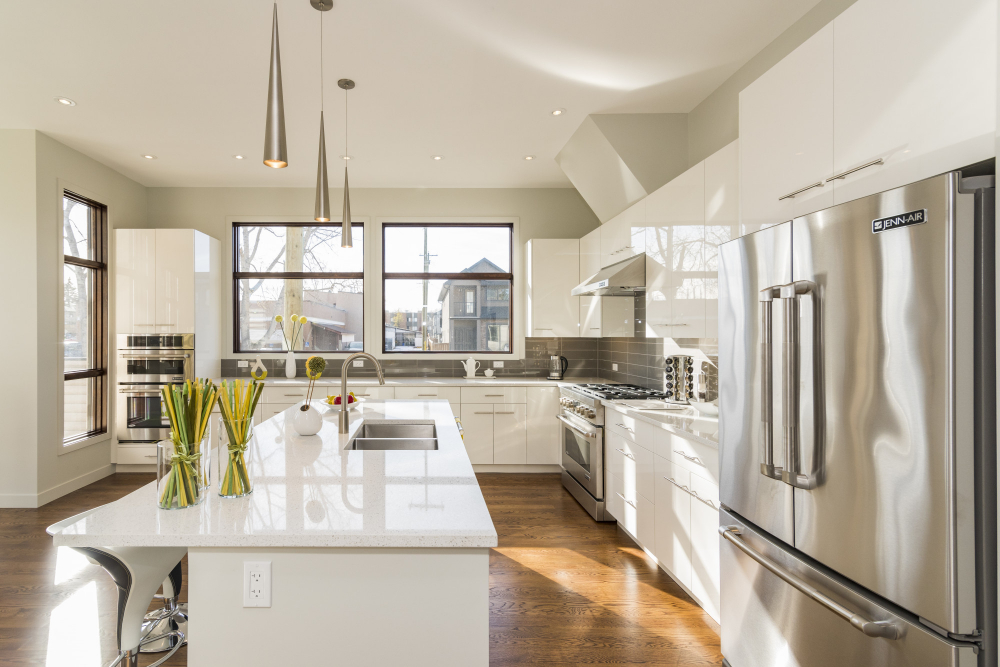
Kitchen: high traffic, frequent spills
In kitchens, food, oils and water are daily realities. Waterproof SPC Flooring tolerates spills and frequent mopping without delaminating. Choose a higher wear layer if you have heavy equipment or rolling chairs; the waterproof core handles liquid while the wear layer protects against abrasion.
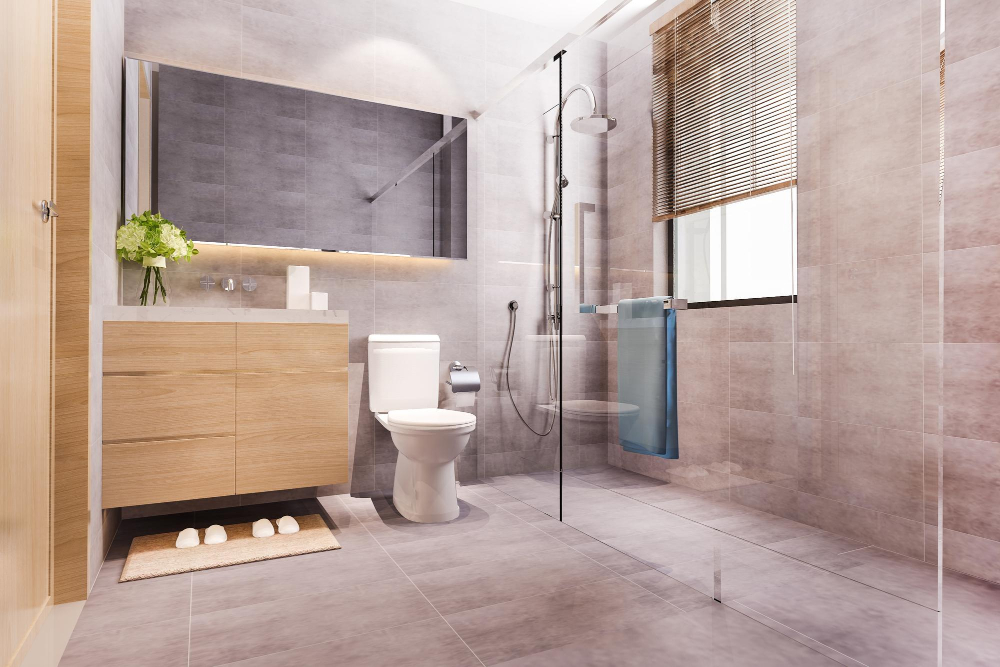
Bathroom: confined wet areas with variable humidity
Bathrooms combine high humidity and localized standing water. When the perimeter, door transitions, and fixtures are detailed correctly, Waterproof SPC Flooring minimizes risk of underfloor mold and keeps grout-free aesthetics with easy cleaning. Still, shower curbs and waterproofing at vertical junctions remain critical — SPC protects the floor plane but not faulty wet-room detailing.
Basement: the real test for moisture resistance
Basements often have hydrostatic pressure, seasonal dampness, and microclimates. For many homeowners, installing Waterproof SPC Flooring over a properly prepared concrete slab (moisture testing, vapor barriers where required) provides a durable, warm-looking surface that resists common basement moisture issues. Many industry guides list SPC among top basement solutions because it is waterproof throughout the plank, not just at the surface.
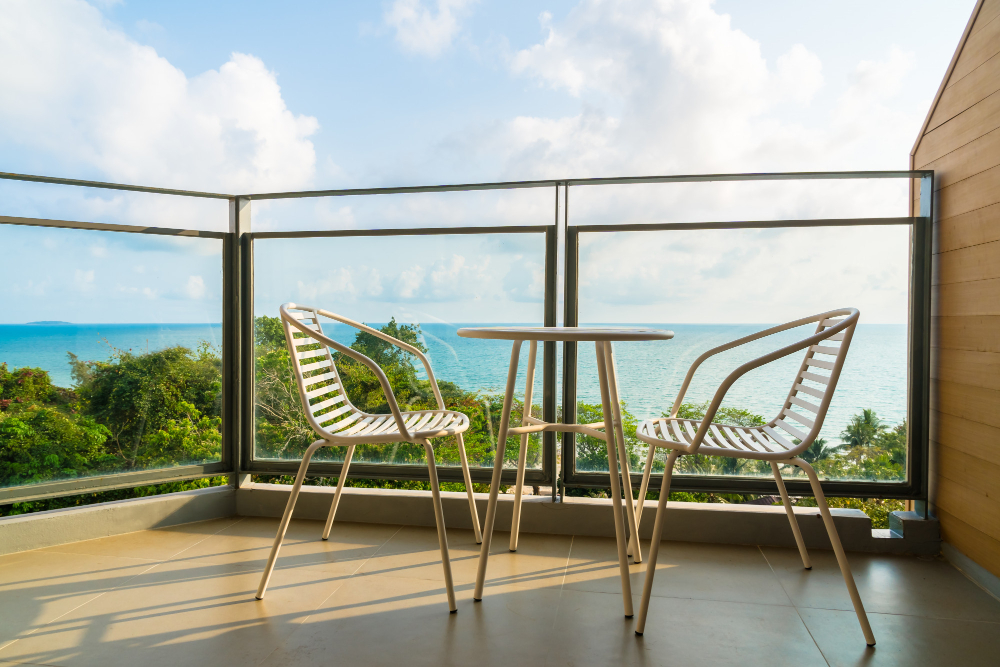
Balconies and sunrooms: temperature swings and moisture cycles
While SPC tolerates moisture, repeated extreme temperature swings and direct UV loads can stress surface coatings. Choose SPC ranges rated for exterior-exposed sunrooms or provide shading and correct expansion detailing.
Installation rules that make waterproofing real
- Subfloor dry and flat: test moisture and patch or level as required. Durable installations start with subfloor prep.
- Acclimation: even rigid cores benefit from short acclimation per manufacturer instructions to avoid edge-gapping.
- Edge sealing near wet fixtures: use appropriate transitions and flexible sealants where water could pool.
- Do not rely on the plank alone: Waterproof SPC Flooring protects the plank itself, but a wet room needs full wet-area detailing (membrane, curbs, sealing) for long-term peace of mind.
Mold and mold-prevention: why SPC helps and when it won’t
SPC offers no organic food source for mold growth, and its waterproof core reduces bulk moisture. However, mold can still grow in adhesive lines, under built-in cabinetry, or on porous substrates if moisture is trapped below the plank. Proper ventilation and substrate drying remain essential.
Maintenance and real-world durability
Routine: vacuum/sweep, damp mop with pH-neutral cleaner, avoid abrasive scrubbers. For kitchens and bathrooms, immediate removal of standing water and routine inspection of sealants limits long-term risk. In heavy commercial settings, specify thicker wear layers and follow manufacturer cleaning protocols.
Buyer tips — what to ask suppliers
- Is the core stone-filled (SPC) or polymer?
- Wear layer thickness and commercial rating.
- Installation tolerances and subfloor moisture limits.
- Warranty details for wet areas and whether it covers adhesive failures or substrate-related mold claims.
Short case note
A homeowner replaced warped laminate after a minor leak. By using Waterproof SPC Flooring, improving underlayment ventilation, and adding door-threshold transitions the household prevented recurrence—no visible swelling or staining in two years of follow-up.
Summary — where Waterproof SPC Flooring wins
Waterproof SPC Flooring is not a silver bullet, but it dramatically lowers the chance of water-caused plank failure in kitchens, baths, basements, and humid zones when installed to industry standards. It combines real waterproof performance with forgiving maintenance and broad design choices—making it a pragmatic answer to modern wet-area challenges.
To learn more about the Waterproof SPC Flooring solutions, please click here.