
In modern construction, the quality and reliability of materials are pivotal to the success of any project. One such material that plays a significant role in providing stability and strength is construction plywood. Used across a variety of building applications, construction plywood has proven itself as a dependable solution for both residential and commercial projects. But when it comes to specific needs, such as creating smooth, durable concrete surfaces, another specialized plywood variant steps in—Film Faced Plywood. This advanced type of plywood is crucial for a range of high-performance construction projects, particularly those involving heavy-duty formwork.
Table of Contents
What is Construction Plywood?
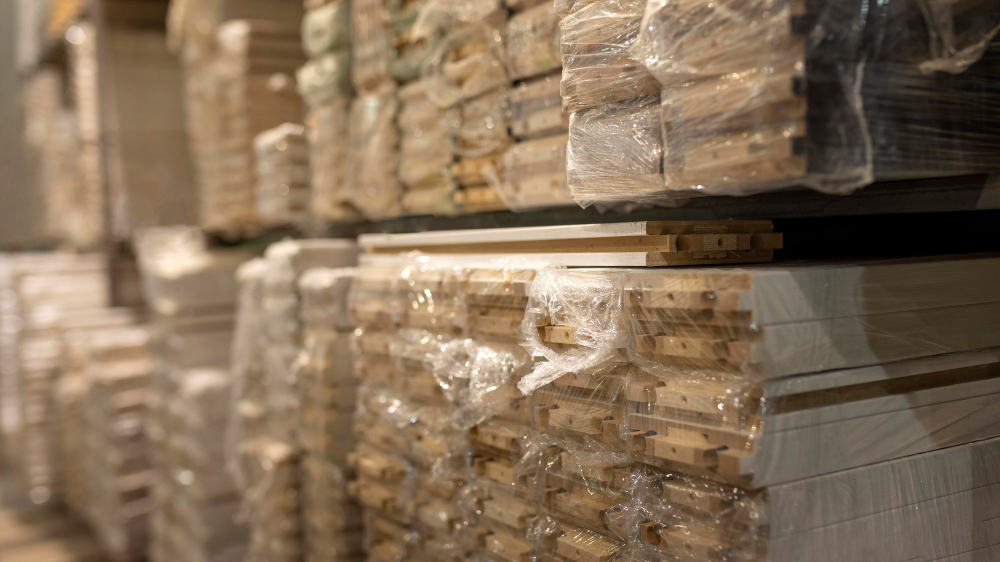
Construction plywood is a versatile material engineered to meet the rigorous demands of modern construction projects. It is made by bonding multiple thin layers of wood veneer together with adhesive under heat and pressure, resulting in a strong and durable sheet. This type of Construction Plywood has a wide range of applications, including flooring, walls, roofing, and structural components. It offers significant strength while remaining lightweight, making it an ideal choice for various construction uses.
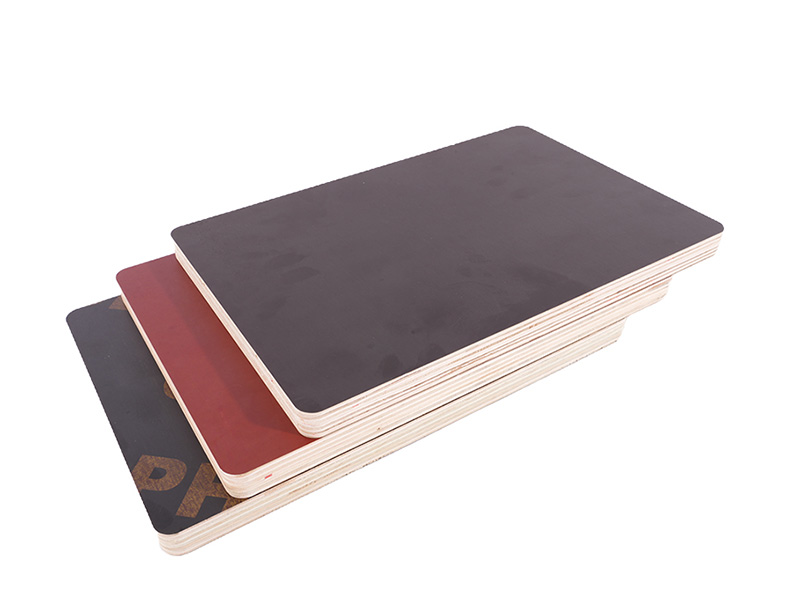
However, when specific project requirements call for enhanced water resistance, durability, and smooth surfaces suitable for concrete pouring, Film Faced Plywood becomes the superior option. Unlike ordinary Construction Plywood, Film Faced Plywood is coated with a layer of phenolic resin, giving it excellent water and wear resistance. This makes it particularly well-suited for formwork in high-performance construction projects.
Film Faced Plywood: A Superior Option for High-Demand Construction Projects
When working on concrete formwork for high-rise buildings, bridges, tunnels, or even highways, Film Faced Plywood offers unique advantages over standard construction plywood. The phenolic film on both sides of the plywood not only protects it from moisture but also ensures that concrete can be easily removed once it has cured. The smooth surface is essential in achieving a flawless finish for concrete, reducing the need for extra finishing work. Unlike regular construction plywood, Film Faced Plywood provides the added durability and resistance required for demanding construction projects.
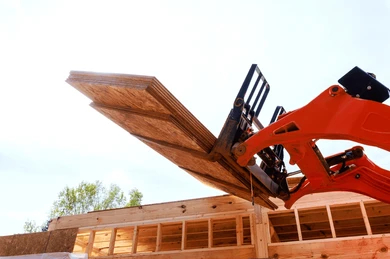
In addition to its water-resistant properties, Film Faced Plywood provides exceptional strength and dimensional stability. This is particularly beneficial for large-scale construction projects, where the plywood must bear significant weight and resist bending or warping. The material is also incredibly durable, making it suitable for reuse in multiple projects.
Advantages of Using Film Faced Plywood in Construction Projects
There are several reasons why Film Faced Plywood is favored in high-performance construction.
1.Durability and Strength
With its phenolic resin coating, Film Faced Plywood is designed to withstand harsh conditions. Whether it’s exposure to wet concrete or outdoor environments, this plywood maintains its structural integrity, ensuring that the formwork remains reliable and secure throughout the duration of the project.
2.Smooth Concrete Finish
One of the primary reasons Film Faced Plywood is preferred for concrete formwork is its ability to provide a smooth, even surface. This feature reduces the need for post-pour finishing, saving both time and money during construction.
3.Reusability
Unlike standard plywood, Film Faced Plywood can be reused multiple times without compromising its performance. This makes it a cost-effective option in long-term projects, as it can withstand several cycles of use before needing replacement.
4.Water Resistance
In concrete formwork, water resistance is essential. The phenolic film on Film Faced Plywood creates an impervious layer that prevents water from soaking into the wood. This water resistance ensures that the plywood remains intact even when exposed to wet concrete, preventing warping or damage during the curing process.
Applications of Film Faced Plywood in Modern Construction Projects
Film Faced Plywood is predominantly used in projects where durability, water resistance, and smooth surfaces are essential. Here are some of the common applications:
- High-Rise Buildings: For multi-story constructions, the formwork needs to be strong, stable, and capable of supporting the weight of the concrete while providing a smooth finish. Film Faced Plywood serves as the ideal solution for these demanding requirements.
- Infrastructure Projects: Large-scale infrastructure projects like bridges, dams, and highways require plywood that can handle heavy-duty formwork. Film Faced Plywood provides the necessary strength and stability to meet these needs, ensuring that the forms do not fail under pressure.
- Foundations and Slabs: When pouring concrete foundations or slabs, a smooth surface is essential to reduce finishing time and labor. Film Faced Plywood helps achieve this, while also withstanding repeated exposure to concrete.
- Tunnel Construction: Film Faced Plywood is particularly useful for tunnel formwork, as it can endure the repetitive exposure to harsh environments without degrading. Its resistance to moisture is crucial in these settings, where water is often present.
Sustainability and Cost-Effectiveness of Film Faced Plywood
Sustainability is an increasingly important factor in modern construction. Many building projects are now focusing on environmentally friendly materials and processes. Film Faced Plywood can be a sustainable choice as it is made from wood, a renewable resource, and it is designed for reuse in multiple applications.
Additionally, its durability and reusability make Film Faced Plywood a cost-effective option in the long term. Builders can use the same sheets of plywood for multiple pours of concrete, reducing the need for frequent replacements and helping lower the overall cost of the project.
How to Choose the Right Type of Plywood for Your Project
When working on concrete formwork for high-rise buildings, bridges, tunnels, or even highways, Film Faced Plywood offers distinct advantages over regular construction plywood. The phenolic film on both sides of the plywood not only provides superior protection against moisture but also ensures that cured concrete can be easily removed. The smooth surface plays a critical role in achieving a flawless finish, significantly reducing the need for additional finishing work.
In addition to its exceptional water-resistant properties, Film Faced Plywood also delivers remarkable strength and dimensional stability. This makes it particularly advantageous for large-scale construction projects, where the plywood needs to withstand heavy loads and resist bending or warping. Unlike standard construction plywood, it is built to endure harsh conditions, offering the durability required for multiple uses across various projects.
The Essential Role of Film Faced Plywood in Modern Construction
To sum up, construction plywood is an essential material in modern building projects. Its versatility, strength, and ease of use make it ideal for a wide range of applications. However, for more specialized needs—particularly when working with concrete—Film Faced Plywood stands out as a superior option. Its water resistance, durability, and smooth surface make it indispensable for high-demand construction projects such as high-rise buildings, bridges, and tunnels. For general construction purposes, construction plywood remains a reliable and cost-effective choice.