
Table of Contents
Introduction
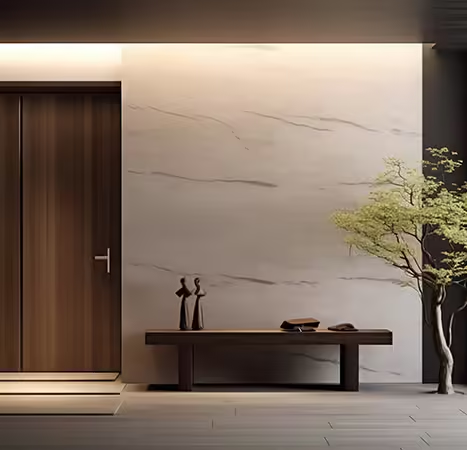
Among modern interior design trends, few elements strike a balance between simplicity, elegance, and affordability as effectively as white panel board for walls. Whether used in minimalist homes, Scandinavian-inspired interiors, or contemporary commercial spaces, these sleek and versatile panels are becoming a top choice for designers and homeowners worldwide. Their rising popularity stems from their ability to introduce subtle texture, brighten interior spaces, and serve as a neutral yet expressive backdrop for furniture, artwork, and décor.
This comprehensive guide explores ten stunning ways to incorporate white panel board for walls into different room styles and functions. From rustic farmhouse textures to ultra-modern smooth finishes, this article deep-dives into ideas that elevate interior spaces without overpowering them. Along the way, the article also explains installation considerations, design principles, aesthetic benefits, and maintenance guidelines. In the middle of the article, you will find a detailed table summarizing panel types, best applications, and difficulty levels for installation. A complete FAQ section at the end addresses common concerns about cost, quality, cleaning, and durability.
Whether you are a DIY enthusiast, a professional designer, or a homeowner simply searching for ways to beautify your interior, you’ll find inspiration and practical advice in the following paragraphs. The goal is to help you visualize possibilities, plan your renovation strategically, and make informed decisions about integrating white panel board for walls into your next project. Let’s explore the top ten ideas that will bring texture, brightness, and modern appeal to your interior design journey.
1. Classic Vertical White Panel Board for Walls in Living Rooms
A timeless approach is to install vertical white panel board for walls in living room spaces. This design enhances the perception of height, making even modest rooms appear taller and airier. Vertical alignment is especially effective in narrow spaces or older homes where ceilings may feel low or heavy. The clean lines of the panels create an organized and harmonious feeling, while the white color reflects natural and artificial light throughout the space.
Designers frequently pair vertical white panels with plush furniture, minimalist artwork, or natural wood accents. The subtle texture of the paneling contrasts gently with smooth surfaces like polished stone, leather sofas, or metal décor pieces. Homeowners also appreciate how this design complements seasonal decorating, from rustic autumn accents to sleek winter holiday themes.
Vertical panel boards are also practical, as they hide minor wall imperfections while providing a clean and durable surface. The installation process is generally straightforward, making it a great project for intermediate DIYers or professionals wanting quick yet impressive transformations.
2. Horizontal White Panel Board for Walls to Expand Tight Areas
Horizontal white panel board for walls is perfect for spaces that feel narrow or cramped. The horizontal orientation naturally draws the eye from side to side, creating a sense of width and openness. This design is common in hallways, small bedrooms, compact studio apartments, and even tiny home interiors.
Using horizontal panels can also soften angular architectural shapes, especially in rooms with sharp corners or asymmetrical layouts. The boards create a streamlined visual flow, reducing visual clutter and helping the mind perceive a more unified environment. In Scandinavian-style interiors, horizontal white panels are often paired with warm tone hardwood floors, minimalist lighting, and neutral textiles.
Maintenance is easy because dirt and scuffs are less noticeable on horizontal panel textures. Many homeowners choose water-resistant or moisture-resistant versions for kitchens or laundry areas, combining practicality with aesthetic charm.
3. Combination Techniques: Mixing Vertical and Horizontal White Panel Board for Walls
One of the most creative design strategies involves mixing vertical and horizontal white panel board for walls within the same room. This hybrid approach creates visual rhythm and architectural interest without overwhelming the eye. For instance, a vertical installation might be used on the main feature wall while horizontal panels wrap around the remaining walls, or the combination may be used to section identical rooms into functional zones.
This technique also works well in open-concept homes where it’s helpful to subtly divide dining, cooking, and relaxation spaces. The panels act as quiet markers that guide visual flow, adding both depth and structure. In modern office spaces, this combination is often used to distinguish collaborative areas from more private workstations.
Though visually striking, this dual orientation requires more planning. Measuring angles carefully and aligning seams cleanly is essential for achieving professional results.
4. Textured White Panel Board for Walls for Dynamic Visual Appeal

Textured white panel board for walls introduces dimension without introducing overwhelming color. Designers often choose textured variations when they want to maintain a calm, neutral palette while still adding visual depth. Textures can range from subtle grooves to intricate raised patterns, geometric designs, or soft ripple effects.
Textured panels are ideal for feature walls behind beds, sofas, or fireplace surrounds. They’re also effective in commercial settings such as hotel lobbies, boutique stores, and spas. The tactile quality catches light differently throughout the day, creating gentle shadow play that enhances the atmosphere.
In minimalist interiors, textured white panels complement monochrome or lightly colored furnishings, adding personality without compromising simplicity. Because texture draws attention, even a small section of textured panels can serve as a focal point.
5. Smooth White Panel Board for Walls in Contemporary Spaces
Smooth white panel board for walls belongs in modern, futuristic, and ultra-minimalist designs. These panels eliminate texture entirely, creating seamless, uninterrupted surfaces reminiscent of gallery walls or high-end architectural showcases. They reflect light evenly and pair effortlessly with glass, chrome, and lacquered furniture.
Smooth surfaces also work beautifully in kitchens, bathrooms, and professional workspaces. They look clean and sharp, and depending on the material, they may offer high resistance to moisture, stains, and fingerprints. In luxury interiors, smooth panels may even be illuminated with LED accent strips that run along their edges.
Because the surface is flat, installation requires careful wall preparation to avoid bumps or imperfections showing through.
6. White Panel Board for Walls in Bedrooms: Soft, Calm, and Elegant
Bedroom interiors benefit greatly from the tranquil atmosphere created by white panel board for walls. Whether the goal is romantic elegance, coastal charm, or minimalist serenity, white panels provide a flexible foundation for personal style. Vertical panels behind a headboard offer a classic, cozy feel, while textured panels on a single feature wall can create a boutique-hotel aesthetic.
Lighting plays a major role in bedroom paneling. Warm LED strips or sconces highlight grooves and shapes beautifully. Some homeowners choose full-wall installations, while others opt for partial installations that mimic wainscoting or chair rail designs. White panels also complement soft furnishings such as linen curtains, cotton bedding, and wool throws.
Bedrooms with low ceilings particularly benefit from vertical panels, while wider rooms appear more expansive with horizontal installations. Because white is a timeless color, it supports long-term decorating changes without requiring complete wall renovation.
Mid-Article Reference Table: Panel Types, Best Uses, and Difficulty
Below is a practical table summarizing different types of white panel board for walls, their best applications, and installation difficulty ratings. This helps you compare design options and plan your renovation efficiently.
| Type of White Panel Board for Walls | Best Applications | Texture Level | Installation Difficulty | Notes |
|---|---|---|---|---|
| Vertical Grooved Panels | Living rooms, bedrooms | Medium | Easy–Moderate | Adds height and classic appeal |
| Horizontal Boards | Hallways, small rooms | Low–Medium | Easy | Widens narrow areas visually |
| Smooth Flat Panels | Modern kitchens, offices | None | Moderate–Hard | Requires even wall prep |
| Textured 3D Panels | Feature walls, hotel lobbies | High | Moderate | Creates depth and shadows |
| Moisture-Resistant White Panels | Bathrooms, laundry rooms | Low–Medium | Easy | Provides long-lasting protection |
| Combination Orientation Panels | Open-concept homes | Varies | Hard | Requires precision measurements |
This table helps distinguish which style best suits your space while offering guidance on installation difficulty and design value.
7. Creative Installations Using Angled White Panel Board for Walls
Angled installations add artistic flair to interior design. Instead of following traditional vertical or horizontal lines, diagonal or herringbone arrangements create dynamic visual movement. These designs are especially effective in modern homes, creative studio spaces, and entertainment rooms.
Diagonal installations can visually elongate a room depending on the angle direction. A 45-degree panel layout brings bold personality, while a subtle tilt provides understated sophistication. Herringbone, chevron, and geometric layouts use the same concept but with repeated patterns for eye-catching symmetry.
These installations require careful cutting and alignment. However, the dramatic results justify the extra time and resources.
8. Rustic Farmhouse Style with White Panel Board for Walls
White panel board for walls is also a staple of the rustic farmhouse aesthetic. Even though farmhouse themes often feature raw wood textures and vintage finishes, the white panels provide contrast and brightness, preventing the room from feeling too heavy or dark. When mixed with reclaimed wood furniture, iron fixtures, and organic fabrics, the panels help balance modern comfort with countryside charm.
In dining rooms and kitchens, white paneling complements wood-grain tables, metal bar stools, and classic lighting. In entryways, it provides a welcoming backdrop that pairs well with vintage coat hooks, woven baskets, or emerging greenery. Using slightly distressed or matte-finish white boards enhances farmhouse authenticity.
This style is especially appealing for homeowners seeking a cozy, nostalgic feeling without sacrificing modern utility.
9. White Panel Board for Walls in Commercial Spaces
Commercial environments also benefit from the versatility of white panel board for walls. Hotels, restaurants, offices, and retail stores frequently use them to create clean, inviting atmospheres. The bright neutral tone serves as an excellent background for branding, signage, and product displays.
In office spaces, panels can help reduce visual clutter while contributing to professionalism and organization. In retail stores, white panels allow merchandise colors and textures to stand out. In restaurants and cafes, textured white panels are often used to create calming dining environments that feel both stylish and comfortable.
Because commercial spaces experience heavy foot traffic, many designers select durable, moisture-resistant, or high-impact versions of panel boards. Maintenance is straightforward, making them a practical, long-lasting investment for business owners.
10. Wainscoting Styles Using White Panel Board for Walls
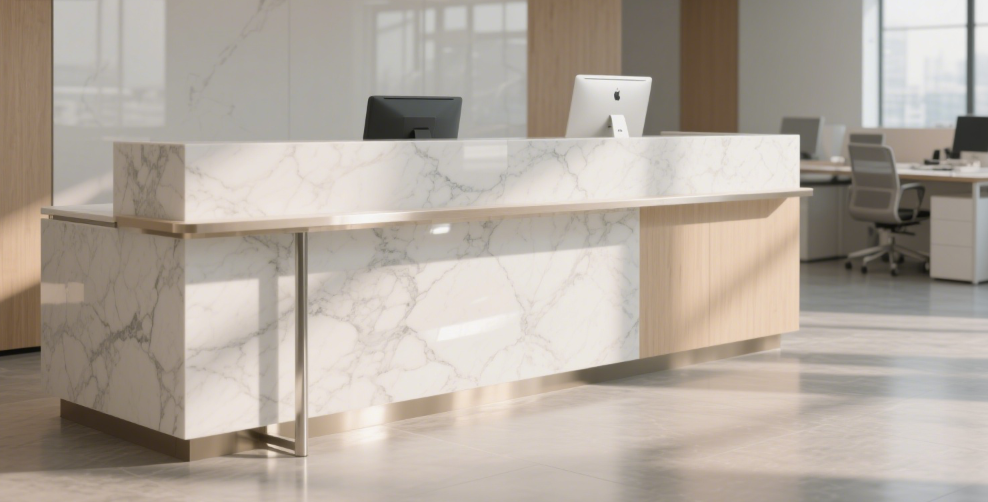
Wainscoting offers a stylish way to highlight architectural character while protecting the lower half of walls from scuffs and stains. Using white panel board for walls as wainscoting brings elegance and timeless appeal to dining rooms, hallways, staircases, and bathrooms.
Wainscoting heights vary based on design preference. Some homeowners use one-third wall height for classic designs, while others extend the paneling to two-thirds or incorporate a decorative top-rail molding. This approach adds dimension to plain walls and enhances formality in traditional interiors.
Because wainscoting requires fewer materials than full-height installations, it can be a cost-effective solution for dramatic improvement.
11. Ceiling Extensions Using White Panel Board for Walls
Another innovative technique involves extending white panel board for walls up onto the ceiling. This creates a continuous, cohesive design envelope, offering a sense of architectural unity. In bedrooms, this makes the space feel cozy and enveloping. In living rooms and hallways, it adds a touch of sophistication.
Extending panels to the ceiling is especially effective in rooms with vaulted or slanted ceilings. The panels emphasize the ceiling’s structure and highlight unique architectural lines. Using LED lighting between wall and ceiling transitions can further enhance depth and warmth.
12. Accent Niches and Built-Ins with White Panel Board for Walls
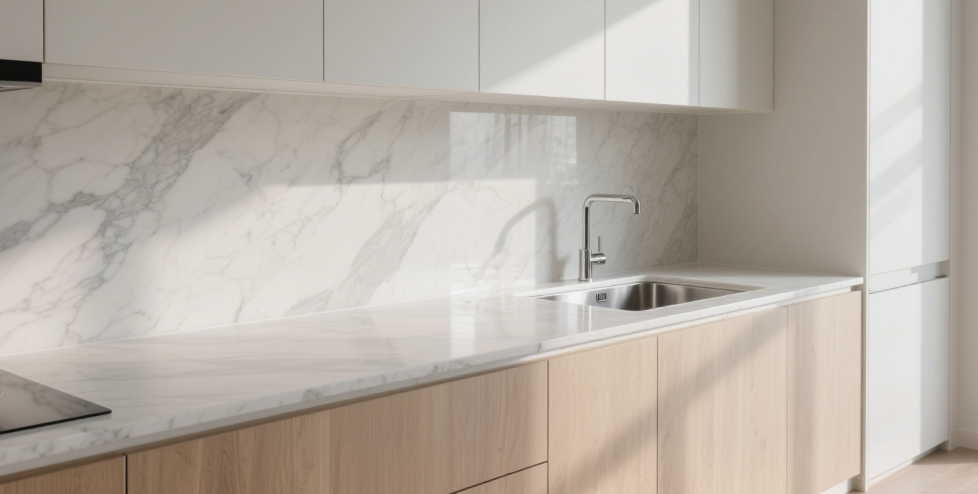
Niches, alcoves, and built-in shelving units become more visually striking when finished with white panel board for walls. The clean lines frame decorative items elegantly, allowing books, sculptures, ceramics, and photographs to stand out.
Paneling inside recessed spaces adds structural neatness while differentiating the area from the rest of the wall. In entertainment rooms, white panels around TV units create a modern backdrop. In home offices, they bring order and professionalism to built-in desks or shelving.
Accent niches benefit from textured panels, smooth boards, or geometric arrangements depending on the design style.
Conclusion
Integrating white panel board for walls into your home or business interior offers endless creative potential. Whether you prefer modern minimalism, rustic warmth, elegant wainscoting, or dramatic feature walls, these versatile panels can transform any room with their clean aesthetics and functional benefits. They brighten spaces, conceal imperfections, and complement a wide range of décor themes.
The ten ideas explored in this article illustrate just how adaptable this material can be. From vertical and horizontal layouts to angled designs and texture for depth, the possibilities are expansive. The mid-article table provides a quick comparison guide to help choose the right panel type for your project, while the various examples show how different styles can fit different spaces.
Whether you are preparing for a small renovation or a fully immersive redesign, consider experimenting with white panel board for walls to achieve a beautiful, lasting impact.
FAQ
Are white panel board for walls durable?
Yes, most variations are designed for long-term durability. High-quality panels resist scratches, moisture, and everyday wear, making them suitable for both residential and commercial use.
Can white panel board for walls be installed in bathrooms?
Absolutely. Moisture-resistant versions are specifically engineered for humid environments like bathrooms, laundry rooms, and kitchens.
How do I clean white panel board for walls?
Maintenance is simple. A soft cloth, mild detergent, and warm water work for most cleaning needs. Avoid abrasive scrubbers that could damage certain finishes.
Can these panels be painted?
Many versions can be painted, though some come pre-finished. Check manufacturer guidelines before applying any paint or primer.
Are white panel boards expensive?
Costs vary depending on material, finish, and installation demands. Some types are budget-friendly, while premium textures or water-resistant models may cost more.
Let’s Keep in Touch!

Thanks for reading—I’m glad you joined me on this journey!
If you found this content valuable, insightful, or thought-provoking, I’d love to hear your thoughts.
📘 Follow me on Facebook for exclusive tips, behind-the-scenes insights, and community discussions.
👉 Click here to connect
Feel free to share your feedback or questions in the comments or on social media—I’m always here to chat.
Let’s keep exploring, learning, and growing—together! 🚀😊