
Table of Contents
Key Points Covered in This Blog
- Introduction: Why comparing vinyl flooring vs laminate matters
- Overview of vinyl flooring and key types
- Overview of laminate flooring and key types
- Material cost breakdown: vinyl vs laminate
- Installation cost comparison
- Maintenance and long-term costs
- Durability, lifespan, and resistance factors
- Style, aesthetics, and design flexibility
- Pros and cons of vinyl flooring vs laminate
- Environmental impact, sustainability, and indoor air quality
- Expert insights from interior designers and flooring specialists
- Real-world applications and performance scenarios
- Advanced comparisons: water resistance, scratch resistance, comfort
- Selection guide with detailed tables and charts
- Frequently Asked Questions (FAQ)
Introduction
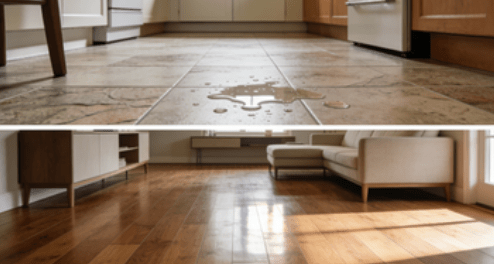
Selecting the right flooring is more than an aesthetic choice—it’s a financial and functional decision that can affect the longevity, comfort, and maintenance costs of your home. Homeowners, contractors, and interior designers often face the dilemma of vinyl flooring vs laminate, as both materials have grown in popularity due to their affordability and style options.
Understanding the cost structure, performance, and practical applications of each type can save money, reduce future repairs, and ensure your flooring choice meets both lifestyle and design expectations. This guide explores every detail from material costs to installation, maintenance, and lifespan, with data-backed comparisons and expert advice.
Overview of Vinyl Flooring
What is Vinyl Flooring?
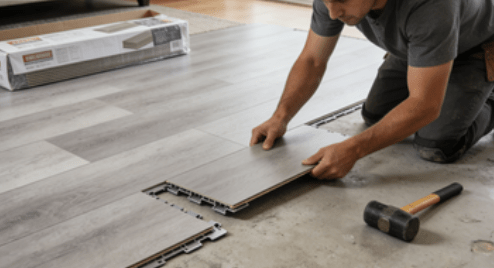
Vinyl flooring is a synthetic flooring material primarily made from polyvinyl chloride (PVC). It is manufactured in various forms: sheet, luxury vinyl tile (LVT), and vinyl planks (LVP). Vinyl is particularly appreciated for its water resistance, durability, and ease of maintenance, making it ideal for kitchens, bathrooms, and laundry rooms.
Key Types of Vinyl Flooring
Sheet Vinyl
- Continuous sheets, seamless installation reduces water infiltration.
- Best for bathrooms or utility areas.
Luxury Vinyl Tile (LVT)
- Mimics natural materials like stone or wood with high-definition printing.
- Offers additional embossing for texture realism.
Vinyl Planks (LVP)
- Plank-style vinyl resembling hardwood flooring.
- Click-lock or glue-down options available for flexible installation.
Key Features and Advantages
- Waterproof: Resistant to moisture, ideal for wet areas.
- Low Maintenance: Requires only mild cleaning and occasional polishing.
- Durability: Resistant to scratches, stains, and fading.
Applications
Vinyl flooring is widely used in both residential and commercial settings: kitchens, bathrooms, restaurants, offices, and retail spaces.
Overview of Laminate Flooring
What is Laminate Flooring?
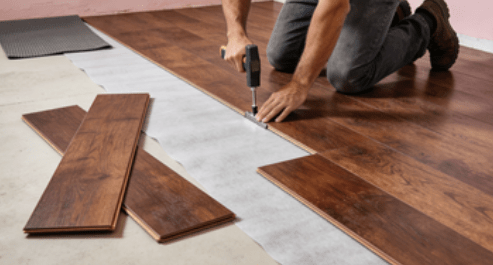
Laminate flooring is composed of a high-density fiberboard core topped with a photographic layer that replicates wood or stone, finished with a transparent wear layer. Laminate is favored for realistic aesthetics, affordability, and ease of installation.
Key Types of Laminate Flooring
Standard Laminate
- Basic wear layer, suitable for low-traffic areas.
High-Pressure Laminate (HPL)
- Stronger wear layer, more resistant to scratches and impacts.
Water-Resistant Laminate
- Special coatings and core materials reduce moisture absorption.
- Suitable for kitchens and laundry rooms, but still less waterproof than vinyl.
Key Features and Advantages
- Realistic Appearance: HD photographic layer closely mimics hardwood or stone.
- Durability: Scratch and impact-resistant wear layer.
- Installation: Click-lock or floating floor systems allow DIY-friendly installation.
Applications
Laminate is popular in living rooms, bedrooms, offices, and other dry areas where aesthetics and moderate durability are priorities.
Material Cost Breakdown: Vinyl vs Laminate
Vinyl Flooring Material Costs
| Type | Average Cost ($/sq.ft.) | Comments |
|---|---|---|
| Sheet Vinyl | 2–4 | Seamless, waterproof |
| Luxury Vinyl Tile | 3–6 | Textured and stylish |
| Vinyl Planks | 2–5 | Hardwood appearance |
Laminate Flooring Material Costs
| Type | Average Cost ($/sq.ft.) | Comments |
|---|---|---|
| Standard Laminate | 1.50–3 | Budget-friendly option |
| High-Pressure Laminate | 2.50–4 | Durable for higher traffic |
| Water-Resistant Laminate | 3–5 | Limited moisture protection |
Observation: Vinyl can be slightly more expensive upfront but offers superior performance in moisture-prone areas.
Installation Cost Comparison
Vinyl Installation Costs
- Sheet vinyl: $1.50–$3 per sq.ft.
- LVT/LVP: $2–$4 per sq.ft., depending on type and complexity.
Laminate Installation Costs
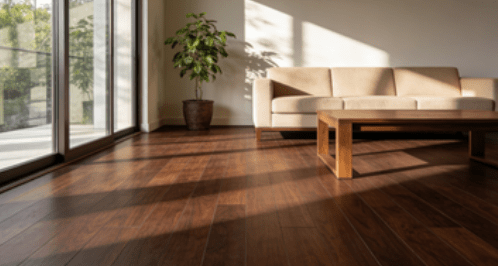
- DIY click-lock: $0–$2 per sq.ft.
- Professional installation: $2–$4 per sq.ft.
Note: Subfloor preparation, adhesive use, and labor can significantly impact total installation costs.
Maintenance and Long-Term Costs
| Flooring Type | Cleaning Frequency | Repair Cost | Lifespan | Notes |
|---|---|---|---|---|
| Vinyl | Weekly, mild soap | Low | 10–20 yrs | Waterproof, easy upkeep |
| Laminate | Weekly, dry mop | Moderate | 15–25 yrs | Sensitive to water |
Vinyl requires minimal maintenance, while laminate must avoid prolonged exposure to water, increasing the potential for future replacement costs in wet areas.
Durability, Lifespan, and Resistance Factors
Vinyl Flooring Durability
- Highly resistant to moisture, stains, and light scratches.
- Lifespan: 10–20 years, depending on material quality and usage intensity.
Laminate Flooring Durability
- Resistant to wear and scratches but less tolerant to moisture.
- Lifespan: 15–25 years with proper care.
Expert Insight:
“Vinyl outperforms laminate in bathrooms and kitchens, but laminate can provide superior scratch resistance in living rooms and hallways.” – Michael Chen, Flooring Specialist
Style, Aesthetics, and Design Flexibility
Vinyl Flooring
- Wide range of textures and colors.
- Can emulate stone, ceramic, or hardwood convincingly.
- Available in patterns, planks, and tiles to suit various design needs.
Laminate Flooring
- Realistic wood and stone visuals with high-definition printing.
- Embossed surfaces replicate natural textures.
- Slightly limited in color customization compared to vinyl.
Pros and Cons: Vinyl Flooring vs Laminate
Vinyl Flooring
Pros: Waterproof, soft underfoot, low maintenance, long-lasting in wet areas.
Cons: Less eco-friendly, can dent under heavy furniture.
Laminate Flooring
Pros: Realistic visuals, scratch-resistant, environmentally friendly options available.
Cons: Susceptible to moisture damage, moderate installation cost.
Environmental Impact and Sustainability Considerations
- Vinyl flooring is largely synthetic; recycling options are limited.
- Laminate flooring often contains recycled wood fibers and low-VOC finishes.
- Choosing sustainable products can enhance indoor air quality and reduce environmental footprint.
Expert Insights and Real-World Usage Scenarios
“For kitchens and bathrooms, vinyl is ideal due to its waterproof nature. Laminate shines in living areas where visual aesthetics are critical.” – Emily Tran, Interior Design Expert
Real-World Applications:
- Residential bathrooms: Vinyl for water resistance.
- Living rooms and bedrooms: Laminate for realistic wood appearance.
- Commercial offices: Both options used depending on traffic levels and moisture exposure.
Advanced Comparisons
| Feature | Vinyl Flooring | Laminate Flooring | Recommendation |
|---|---|---|---|
| Water Resistance | Excellent | Low | Vinyl |
| Scratch Resistance | Moderate | High | Laminate |
| Comfort Underfoot | Softer | Harder | Vinyl |
| Installation Complexity | Moderate | Easy | Laminate |
| Lifespan | 10–20 yrs | 15–25 yrs | Laminate |
Selection Guide: Choosing the Right Flooring
When deciding between vinyl and laminate, consider:
- Room type and moisture exposure
- Budget constraints
- Desired aesthetics and color palette
- Long-term maintenance and repair costs
Conclusion
Both vinyl flooring vs laminate provide cost-effective, stylish alternatives to hardwood or stone. Vinyl excels in moisture-prone areas, requires minimal upkeep, and offers comfort underfoot. Laminate provides realistic aesthetics, scratch resistance, and a longer lifespan in dry environments. Evaluating material costs, installation, and long-term durability is critical for making an informed choice that balances budget, performance, and design preferences.
FAQ
Is vinyl flooring more expensive than laminate?
Vinyl can have higher material costs but saves money in wet areas by avoiding water damage repairs.
Can laminate flooring be used in a bathroom?
No. Laminate is sensitive to moisture and should be limited to dry spaces.
Which flooring is easier to clean?
Vinyl is easier to clean and maintain due to its water and stain resistance.
Which looks more like real wood?
Laminate often provides more realistic textures and high-definition visuals than vinyl.
How long do these floorings last?
Laminate lasts slightly longer in dry areas, while vinyl outperforms laminate in wet environments.
Let’s Keep in Touch!
Thanks for reading—I’m glad you joined me on this journey!
If you found this content valuable, insightful, or thought-provoking, I’d love to hear your thoughts.
📘 Follow me on Facebook for exclusive tips, behind-the-scenes insights, and community discussions.
👉 Click here to connect
Feel free to share your feedback or questions in the comments or on social media—I’m always here to chat.
Let’s keep exploring, learning, and growing—together!