
In 2026, interior environments—from open‑plan offices to performance venues—face rising demands for acoustic performance, aesthetic quality, and sustainability. Poor acoustics can degrade speech clarity, reduce productivity, and create discomfort, making sound‑absorbing ceiling solutions a top priority for designers, builders, and decision‑makers alike. By integrating advanced suspended acoustic ceiling panels, spaces can transform from noisy and disruptive to calm, balanced, and acoustically optimized.
Table of Contents
Key Themes Covered in This Article
- What suspended acoustic ceiling panels are and why they matter
- Market dynamics and growth trends through 2032
- Components, materials, and NRC performance benchmarks
- Comparison of panel types for real‑world applications
- Detailed product insights from Shandong Panel International Trade Co., Ltd.
- Installation, maintenance, and design considerations
- Sustainability and green building alignment
- Common questions answered in today’s search‑driven world
What Are Suspended Acoustic Ceiling Panels and Why They Are Essential
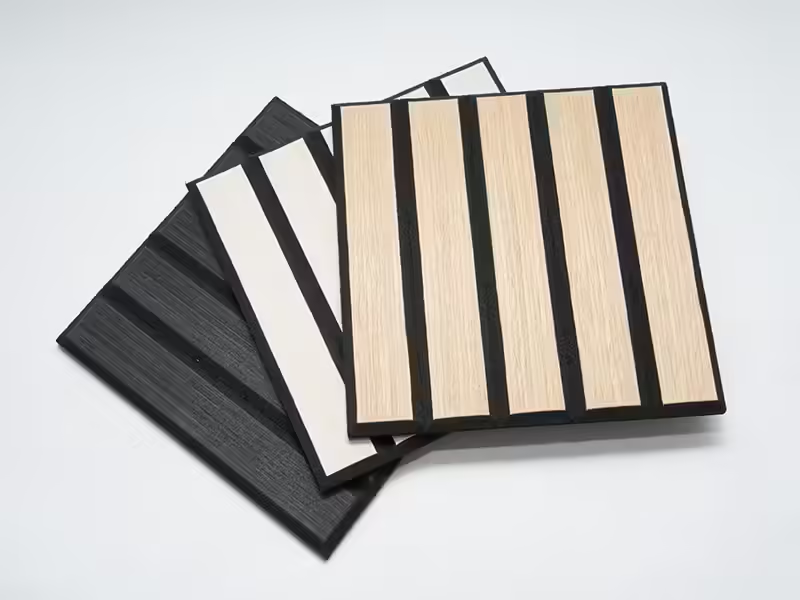
Understanding Suspended Acoustic Ceiling Panels
Suspended acoustic ceiling panels are sound‑absorbing materials installed beneath the primary structure of a building using suspension grids or hangers. They help reduce echo, control reverberation, and enhance speech clarity across a wide range of frequencies.
How They Improve Indoor Environments
These panels absorb sound waves before they bounce off hard surfaces, leading to quieter interiors and improved acoustic comfort. Research shows that effective acoustic design—including ceilings—can dramatically enhance communication, concentration, and wellbeing in classrooms, offices, and healthcare facilities.
The Science Behind Noise Control
A key metric in gauging acoustic performance is the Noise Reduction Coefficient (NRC). High‑quality suspended acoustic panels often achieve NRC ratings of 0.80 and above, with premium materials exceeding 0.90 at key speech frequencies.
Global Market Trends: Growth Through 2032

The global acoustic ceiling and suspended acoustic ceiling panels market is experiencing robust and sustained growth as the construction and interior design sectors increasingly prioritize both acoustic comfort and aesthetic quality. This evolution reflects a broader awareness that effective sound control directly impacts productivity, wellbeing, and occupant satisfaction across commercial, educational, healthcare, and residential environments.
According to multiple independent analysts, the ceiling products market—including acoustic and suspended ceiling systems—is slated to expand significantly through 2032, buoyed by rapid urbanization, rising building activity, and a growing emphasis on environmental and comfort standards in modern construction. While estimates of market size vary by segment and definition, the consensus is clear: demand for acoustic ceiling solutions continues to rise globally across multiple end‑use sectors.
Market Size and Forecast Growth
- Acoustic Ceiling Tiles Sector: Some market reports estimate that the global acoustic ceiling tiles segment alone was worth approximately USD 6.5–8.7 billion in 2023 and is projected to reach USD 10.5–15.5 billion by 2032, with compound annual growth rates (CAGRs) ranging from 5.3% to 6.6% over the forecast period.
- Suspended Ceiling Systems (Broader Market): Other analyses indicate that the suspended ceiling system market—of which acoustic ceiling panels are a key component—was valued around USD 14.1 billion in 2024 and is expected to grow to roughly USD 21.3 billion by 2032 at an estimated CAGR of 6.2%.
- Regional Leadership: North America continues to dominate the acoustic ceiling segment, contributing a significant share of global revenue owing to continuous infrastructure growth and widespread adoption of green building standards. Meanwhile, the Asia‑Pacific region is emerging as the fastest‑growing market due to rapid construction activity in China, India, and Southeast Asia.
These forecasts illustrate a complex but upward‑trending landscape, where demand is propelled not only by traditional construction volumes but also by renewed focus on occupant wellbeing, regulatory expectations, and smart integration trends.
Key Drivers of Market Expansion
Increasing Demand for Noise Reduction in Built Environments
As open‑plan offices, collaborative learning spaces, healthcare facilities, and multi‑use public venues become more common, the need for acoustic control rises in tandem. Prolonged exposure to noise has been linked to reduced productivity and increased stress, making high‑performance suspended acoustic ceiling panels essential in contemporary design.
Urbanization and Rising Construction Activity
Rapid urban growth, especially in emerging economies, fuels construction—both new builds and renovations—driving demand for acoustic materials. The sheer scale of commercial and residential projects means greater installation of ceiling solutions that offer sound control, energy efficiency, and visual finish.
Adoption of Sustainable and Eco‑Friendly Materials
Green building certifications such as LEED, WELL, and other sustainability frameworks increasingly influence specification decisions. Producers are incorporating recycled content and renewable materials into acoustic ceiling products, aligning with global environmental priorities and appealing to eco‑conscious architects and developers. Panels with recycled polyester fiber, bio‑based substrates, and low VOC emissions are becoming mainstream in both commercial and residential projects.
Integration with Building Systems (Lighting, HVAC, Smart Solutions)
Ceiling systems are no longer just passive architectural elements. Modern suspended acoustic ceiling panels are being designed to integrate with lighting arrays, HVAC ducts, sensors, and even IoT devices, creating multifunctional ceilings that support smart building automation, improved air quality, and energy efficiency. Some projections indicate smart integration technologies growing at double‑digit rates within ceiling product segments over the next decade.
Increased Focus on Wellness and Productivity
As businesses worldwide recognize how acoustics influence focus and communication, more organizations are investing in sound management solutions. This trend is particularly pronounced in hybrid work environments, educational settings where speech intelligibility impacts learning outcomes, and healthcare spaces where noise reduction contributes to patient comfort.
Emerging Trends Shaping the Acoustic Ceiling Landscape
1. Eco‑Material Innovation
Ceilings made from recycled or renewable materials, including polyester fiber and bio‑based composites, are rapidly gaining traction. These materials meet stringent green standards while delivering competitive acoustic performance.
2. Design‑Driven Ceiling Systems
Aesthetic innovation is influencing product development, with textured, 3D, and customizable finishes becoming sought after by architects for premium interior spaces.
3. Modular and Smart Components
Modularity allows large ceiling panels to be installed more quickly and reconfigured as needed, while embedded sensors and connectivity support data‑driven building management.
4. Regional Dynamics
The Asia‑Pacific region is expected to see long‑term growth due to aggressive infrastructure investments and urban expansion, while North America and Europe continue to drive premium and sustainable product adoption.
Challenges and Considerations
Despite strong growth forecasts, the suspended acoustic ceiling sector faces challenges that influence supply chains and pricing:
- Material Cost Volatility: Prices of key raw materials—such as gypsum, metal, and specialty fibers—can fluctuate significantly, impacting production costs.
- Supply Chain Disruptions: Ongoing global logistics challenges, exacerbated by geopolitical factors, can affect timely delivery and manufacturing consistency.
- Installation Skill Requirements: As ceiling systems become more integrated and complex, skilled labor scarcity in some regions can slow project timelines.
Materials & Technologies Behind Suspended Acoustic Ceiling Panels
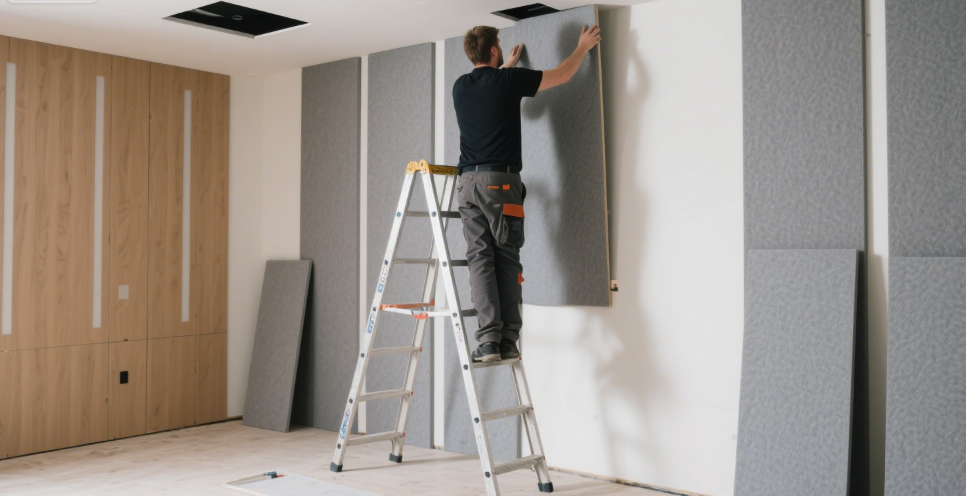
Polyester Fiber and Composite Panels
Polyester fiber panels offer excellent acoustic performance, often achieving high NRC values while remaining lightweight and customizable. These panels can absorb mid‑ to high‑frequency noise effectively—critical for speech clarity in meeting rooms and classrooms.
Wood‑Strip and Decorative Panels
Wood‑strip acoustic ceiling panels deliver both visual warmth and sound control. Their natural textures make them ideal for hospitality spaces and premium interiors, combining design with performance.
Mineral Wool, Glass Fiber, and Performance Alternatives
Mineral wool and glass fiber panels provide durable performance, excellent thermal and fire resistance, and strong noise reduction. These materials are especially popular in commercial projects where fire and environmental performance are prioritized.
Expert Spotlight: Shandong Panel International Trade Co., Ltd.
Company Overview
Shandong Panel International Trade Co., Ltd. is committed to “innovation‑driven and quality first,” offering high‑quality, cost‑effective decorative materials. Their portfolio includes polyester acoustic panels, WPC boards, film‑faced plywood, commercial plywood, and UV panels. These products meet green construction standards and provide sustainable solutions for projects worldwide.
With integrated R&D, sales, and supply chain management, the company has quickly established itself as a rising leader in the decorative materials industry. Their expertise spans from sustainable materials to customized solutions.
Polyester Fiber‑Wood Strip Acoustic Panels—Product Insights
- Design: Combines a polyester fiber core with medium‑density fiberboard (MDF) backing for durability and acoustic performance.
- Performance: High NRC sound absorption ideal for echo control in many interior spaces.
- Applications: Commercial spaces (offices, showrooms), residential areas (home theaters), and institutional environments (libraries, classrooms).
Key Product Features
- Sustainable, green raw materials meeting international standards
- Professional production with custom options
- Strict quality control and OEM/ODM support
- Efficient supply chain with short delivery cycles
Product Specifications Snapshot
Material: MDF, 100% Polyester Fiber
Feature: Highly effective sound absorption
Installation: Glue or nail
Noise Reduction Coefficient: 0.9
Color: Customizable
Thickness Options: 9mm–21mm
Sizes:2400×600×22, 2800×600×22, 2900×600×22
Trends Shaping Suspended Acoustic Ceiling Design in 2026
Aesthetic Innovations
Designers are moving beyond flat panels to incorporate geometric, textured, and sculptural forms. These creative installations not only control sound but also add depth and visual interest to interiors.
Acoustic Baffles and Dynamic Elements
Vertically oriented acoustic baffle ceiling systems are gaining traction, offering enhanced absorption while creating architectural statements. This approach balances function with artistic expression in large volumes.
Integration with Smart Systems
Modern ceiling systems may combine acoustic materials with lighting, sensors, and modular connectivity—making ceilings smarter and more adaptive to occupancy and use.
Comparative Framework: Choosing the Right Suspended Acoustic Ceiling Panels
Performance Metrics to Evaluate
| Feature | Standard Polyester | Wood‑Strip | Mineral Wool |
|---|---|---|---|
| NRC Rating | 0.80–0.95 | 0.80–0.90 | 0.85–0.95 |
| Design Flexibility | ⭐⭐⭐ | ⭐⭐⭐⭐ | ⭐⭐ |
| Fire Resistance | Moderate | Moderate | High |
| Sustainability | High | High | Variable |
Application Scenarios
- Offices & Open Workspaces: Focus on speech clarity and lower background noise
- Educational Spaces: Optimized to reduce reverberation and improve learning outcomes
- Hospitality & Retail: Balanced aesthetics with acoustic control
Installation Best Practices and Performance Optimization
Pre‑Installation Planning
Measure spaces accurately and map out ceiling grid layouts. Consider how furniture, HVAC, and lighting will interact with panel placements.
Installation Techniques
Panels can be suspended using traditional grid systems, free‑hanging clouds, or custom hangers. Adhesive or mechanical fasteners are often used based on substrate and design requirements.
Maintenance Tips
- Dust regularly with soft brushes
- Inspect periodically for wear or damage
- Replace or reposition panels if acoustic performance deteriorates
Sustainability & Green Building Alignment
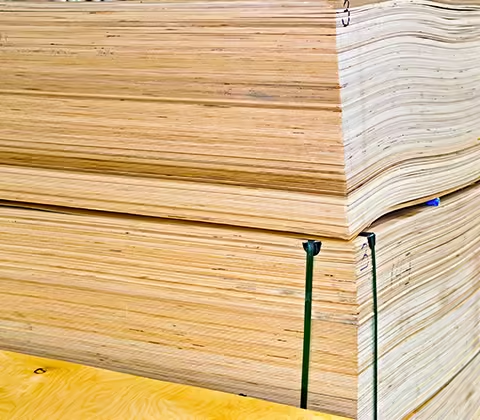
Eco‑Friendly Materials and Certifications
Sustainable acoustic panels contribute to LEED®, WELL™, and other green building standards. Many brands now offer products with low VOC emissions and recyclable components, aligning acoustics with broader environmental goals.
Health & Wellbeing Benefits
Effective acoustic environments reduce stress and cognitive fatigue, improve speech communication, and promote comfort—critical factors in educational and healthcare settings.
Final Thoughts
In 2026, suspended acoustic ceiling panels are more than functional elements—they are integral to comfort, communication, and sustainable design. From high NRC ratings and advanced materials to aesthetic freedom and smart integration, these solutions redefine how we experience sound in built environments.
Working with reputable suppliers like Shandong Panel International Trade Co., Ltd. ensures you get customized, high‑performance panels that meet both aesthetic and technical needs. Whether you’re upgrading an office, classroom, or public venue, the right acoustic ceiling strategy makes all the difference.
FAQ
What is the ideal NRC rating for a suspended acoustic ceiling panel?
An NRC of 0.80 or higher is generally recommended for most commercial and institutional applications to ensure meaningful noise reduction.
How do suspended acoustic ceiling panels differ from standard ceiling tiles?
Regular ceiling tiles primarily cover structural openings, while acoustic panels are engineered with porous or fibrous materials that absorb sound energy to reduce noise and reverberation.
Can acoustic ceiling panels be customized for design and color?
Yes—many manufacturers offer customization in color, texture, and size to match design aesthetics while maintaining acoustic performance.
Are acoustic ceiling panels sustainable and safe?
High‑quality panels often use green raw materials and meet environmental standards for low emissions and recycled content, supporting healthier indoor environments.
Do I need professional installation?
Simple projects may allow DIY installation, but large commercial or performance spaces benefit from experienced installers to ensure optimal acoustic results.
Let’s Keep in Touch!

Thanks for reading—I’m glad you joined me on this journey!
If you found this content valuable, insightful, or thought-provoking, I’d love to hear your thoughts.
📘 Follow me on Facebook for exclusive tips, behind-the-scenes insights, and community discussions.
👉 Click here to connect
Feel free to share your feedback or questions in the comments or on social media—I’m always here to chat.
Let’s keep exploring, learning, and growing—together!