
In modern architecture and interior design, controlling sound is just as crucial as aesthetics. Poor acoustic planning can lead to echoes, noise fatigue, and reduced comfort, affecting both work and leisure environments. Selecting the right acoustic panels is essential for creating spaces that are not only functional and comfortable but also visually appealing. Among the most widely used solutions, wood acoustic wall panels and foam panels stand out for their effectiveness, yet each offers unique advantages, limitations, and ideal applications.
This article dives deep into their differences, performance characteristics, installation methods, costs, user experiences, and real-world applications. It also examines market trends, professional insights, and sustainability considerations to guide your decision-making process.
Table of Contents
The Core Concept of Acoustic Panels

What Are Acoustic Panels?
Acoustic panels are materials designed to reduce noise, control reverberation, and enhance sound clarity. By absorbing sound waves, they minimize reflections and prevent the accumulation of excessive echoes. Properly implemented acoustic panels improve the overall acoustic comfort of any interior environment.
Why Material Choice Matters
The material composition of an acoustic panel determines its performance. Wood panels leverage natural density, fiber arrangement, and diffusion properties to balance absorption across a wide range of frequencies. Foam panels, with open-cell structures, excel in high-frequency absorption but often lack mid-frequency efficiency. Understanding these differences is key to achieving a balanced sound environment.
Deep Dive Into Wood Acoustic Wall Panels
Composition and Material Quality
Wood acoustic wall panels combine natural aesthetics with advanced sound absorption technology. Typically, they feature:
- Polyester fiber core: High NRC (Noise Reduction Coefficient) and resistance to compression.
- Medium-density fiberboard (MDF) backing: Provides structural strength and stability.
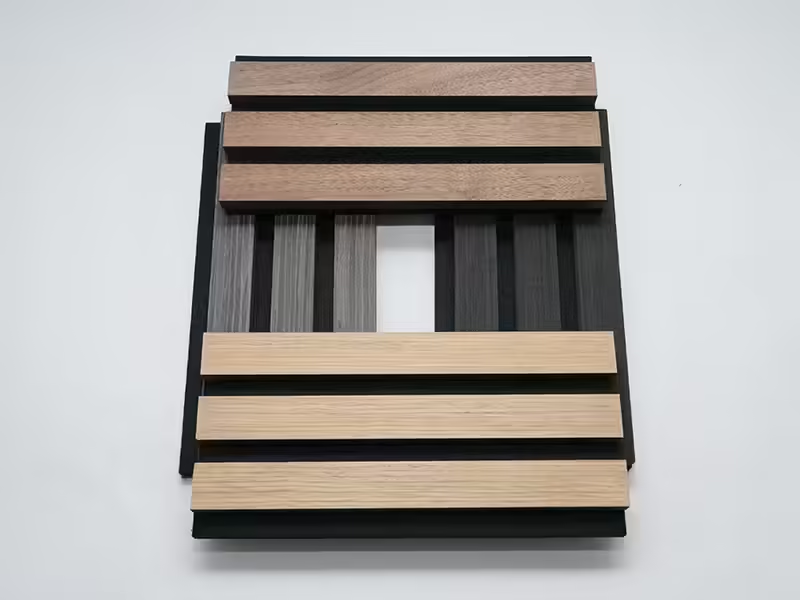
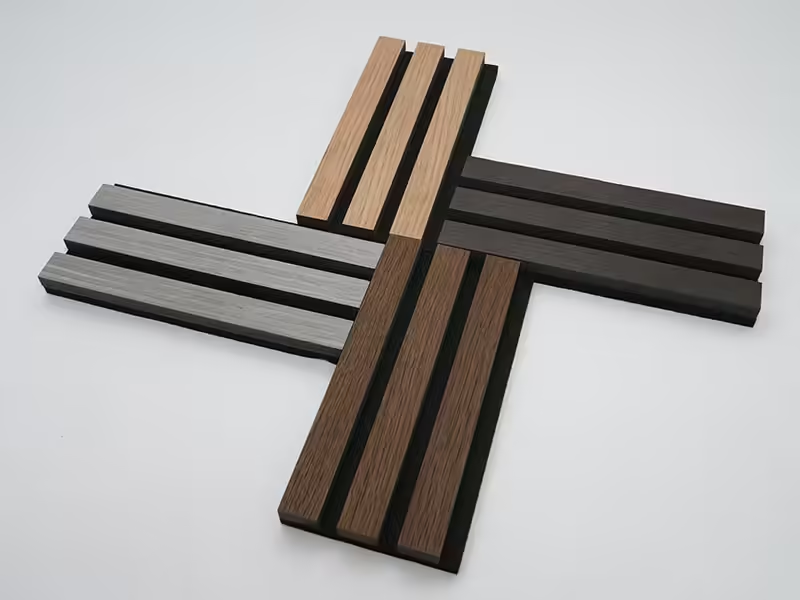
- Wood strips or slats: Enhance diffusion and scattering of sound waves.
These panels are environmentally friendly, compliant with CARB Phase 2 standards, and can be customized with a variety of finishes including oak, walnut, maple, and birch.
Acoustic Performance
Wood acoustic panels are highly effective in reducing mid and high-frequency noise, making them ideal for:
- Offices, conference rooms, and co-working spaces
- Home theaters and living rooms
- Libraries, classrooms, and auditoriums
With NRC values typically ranging from 0.85 to 0.9, these panels outperform foam in achieving speech clarity and overall acoustic balance. Panel thicknesses between 9mm and 21mm allow precise tuning of sound absorption for different room sizes and uses.
Visual and Functional Advantages
- Aesthetic appeal: Wood panels elevate interior design with a natural and warm look.
- Durability: Maintains performance for 15–20 years with minimal maintenance.
- Customization: 3D patterns, perforations, and integration with LED lighting offer design flexibility.
Understanding Foam Acoustic Panels
Composition and Acoustic Mechanism
Foam acoustic panels are mainly made from polyurethane or melamine, featuring an open-cell structure that traps sound waves. Common designs include wedges, pyramids, and egg-crate patterns to increase surface area for absorption.
Performance Analysis
Foam panels primarily reduce high-frequency reflections. Their NRC usually ranges from 0.5 to 0.8. While foam is effective for echo reduction in corners or small spaces, it often struggles with mid-range frequency control, which is critical for speech intelligibility and music clarity.
Advantages and Limitations
- Pros: Lightweight, cost-effective, easy to install, flexible in shape and size.
- Cons: Limited durability, aesthetic appeal, and long-term performance; prone to compression and discoloration over time.
Acoustic Performance Comparison
| Feature | Wood Acoustic Wall Panel | Foam Panel |
|---|---|---|
| Noise Reduction Coefficient | 0.85–0.9 | 0.5–0.8 |
| Frequency Absorption | Mid + High frequencies | High frequencies |
| Durability | Long-lasting, >15 years | 5–7 years, prone to compression |
| Visual Appeal | High, customizable finishes | Low, limited colors/patterns |
| Environmental Compliance | CARB 2, recyclable MDF | Limited recyclability |
| Maintenance | Wipe clean, check surface | Vacuum regularly, replace if compressed |
| Installation Complexity | Moderate, glue/nails/clips | Simple, adhesive or pins |
According to the International Journal of Architectural Acoustics (2024), offices using wood acoustic panels improved speech intelligibility by 35% compared to foam-treated environments. This shows that while foam can reduce noise, wood panels provide superior clarity, consistency, and aesthetic value.
Installation and Maintenance
Installing Wood Acoustic Wall Panels
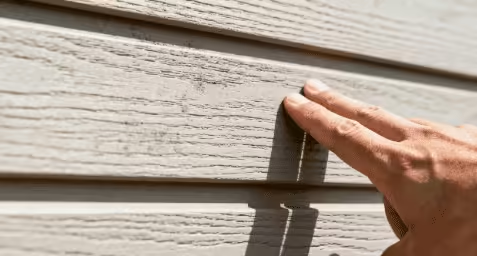
Installation requires attention to wall preparation. Walls should be flat, clean, and dry. Methods include adhesives, nails, or mechanical clips depending on panel weight and surface type. Precision in alignment ensures maximum acoustic efficiency and visual uniformity.
Installing Foam Panels
Foam panels are simpler to install due to their lightweight design. Adhesive sprays or pins are commonly used. Over time, however, panels may compress or discolor, which can reduce acoustic efficiency.
Maintenance Tips
- Wood panels: Dusting, occasional polishing, inspect for scratches or warping.
- Foam panels: Vacuuming, periodic replacement if material compresses or deteriorates.
Real-World Case Studies
Commercial Offices
A 2024 survey of 150 offices in the US revealed that:
- 72% of companies using wood panels reported fewer noise complaints.
- Foam panel users reported 18–20% improvement in noise control but limited speech clarity.
Home Theater Application
- Wood panels improved speech clarity by 32% in RT60 tests, while foam panels achieved an 18% improvement.
- Users noted better aesthetic integration and overall satisfaction with wood panels.
Expert Opinions
- Dr. Hannah Kim, Acoustic Consultant: “Wood acoustic wall panels are ideal for professional spaces. Foam works for corners, but lacks mid-frequency absorption critical for speech clarity.”
- Michael Brown, Interior Designer: “Foam panels are functional but not visually appealing. Wood panels enhance both design and acoustic quality.”
Cost, ROI, and Sustainability
| Factor | Wood Acoustic Wall Panel | Foam Panel |
|---|---|---|
| Initial Cost | Moderate to High | Low to Moderate |
| Lifespan | 15–20 years | 5–7 years |
| Maintenance Cost | Low | Moderate |
| Replacement Frequency | Rare | Frequent |
| ROI (5 Years) | High | Medium |
Wood panels are sustainable, recyclable, and have low VOC emissions, reducing environmental impact over time. Foam panels, often petroleum-based, offer shorter lifespans and limited recyclability.
Applications Across Different Spaces
Residential
Ideal for home theaters, bedrooms, and living rooms where aesthetics and long-term performance matter. Foam panels can be used for temporary or practice spaces.
Commercial
Offices, showrooms, and conference rooms benefit from wood panels for superior sound clarity and professional appearance. Foam panels may be used in budget-conscious renovations or secondary spaces.
Institutional
Libraries, classrooms, and auditoriums require high-performance acoustic solutions. Wood panels provide longevity and professional-grade performance; foam panels are more suited for auxiliary areas.
Entertainment & Music Studios
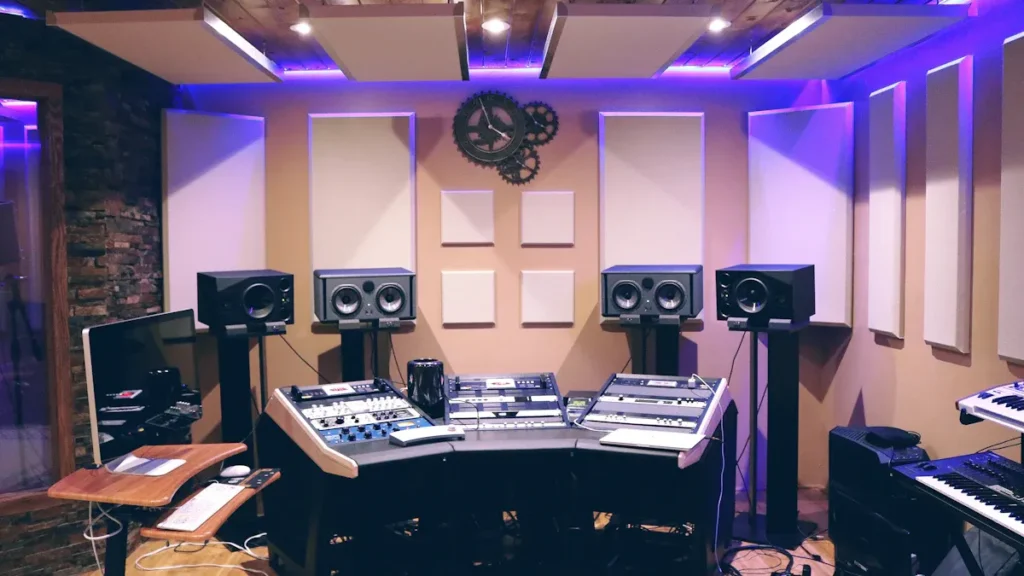
- Wood panels provide consistent sound quality and diffusion, essential for recording and mixing.
- Foam panels can complement wood in isolated sections or corners to manage reflections.
Advanced Considerations
Combining Wood and Foam Panels
Many designers combine both materials to optimize cost and performance. Wood panels cover prominent walls for aesthetics and primary absorption, while foam is used in hidden or secondary areas to reduce reflections further.
Acoustic Design Principles
- Diffusion vs Absorption: Wood strips scatter sound waves, reducing hotspots; foam primarily absorbs.
- Frequency Targeting: Panels should be chosen based on which frequency range dominates the space (mid-range for speech, high-range for reverberation).
- Room Volume Consideration: Large spaces may require thicker panels or multi-layered solutions to achieve desired NRC.
Conclusion
Selecting the right acoustic solution is about balancing sound control, aesthetics, and durability. Wood acoustic wall panels excel in:
- Mid and high-frequency absorption
- Long-term durability and sustainability
- Design versatility for commercial, residential, and institutional spaces
Foam panels remain a budget-friendly option or secondary acoustic treatment, but for spaces where performance, visual appeal, and long-term investment matter, wood acoustic wall panels are the superior choice.
FAQ
Can wood panels fully replace foam?
Yes, wood panels outperform foam in both absorption efficiency and aesthetic appeal. However, using foam in hidden corners can enhance performance cost-effectively.
Do foam panels work in large commercial spaces?
Foam reduces high-frequency noise but may fail to control mid-range frequencies effectively, which can affect speech clarity.
What is the lifespan of wood acoustic wall panels?
Typically 15–20 years with proper maintenance.
Is professional installation necessary for wood panels?
DIY is possible for small projects, but commercial or institutional spaces benefit from professional installation.
Can wood and foam panels be used together?
Yes, combining both allows optimized acoustic performance and cost efficiency.
Are wood acoustic panels environmentally friendly?
Yes, they are made from renewable MDF and polyester fibers, are low-VOC, and are recyclable.
Do foam panels require replacement often?
Yes, due to compression, discoloration, and reduced efficiency over time.
Let’s Keep in Touch!

Thanks for reading—I’m glad you joined me on this journey!
If you found this content valuable, insightful, or thought-provoking, I’d love to hear your thoughts.
📘 Follow me on Facebook for exclusive tips, behind-the-scenes insights, and community discussions.
👉 Click here to connect
Feel free to share your feedback or questions in the comments or on social media—I’m always here to chat.
Let’s keep exploring, learning, and growing—together!