
In modern interior design and space optimization, Acoustic Panels have become an essential component of many construction and renovation projects. These panels play a crucial role in improving sound quality, controlling noise, and reducing echoes, whether in a home theater, conference room, or studio.
With the advancement of technology, a variety of sound-absorbing solutions have emerged in the market. Each type offers unique features, making them suitable for different space requirements.
Table of Contents
The Role and Importance of Acoustic Panels
The main role of sound-absorbing solutions is to reduce noise and echo. In noisy environments, these solutions can:
- Improve sound quality by minimizing unwanted noise and enhancing clarity.
- Enhance the comfort of the space by reducing echoes and sound distortion.
These solutions are especially important in spaces such as:
- Music rooms, where sound clarity is essential.
- Offices and conference rooms, where good sound control improves communication efficiency.
Therefore, choosing the right acoustic panel is crucial for creating an ideal indoor environment that promotes both comfort and functionality.
Common Types of Acoustic Panels
There are various sound-absorbing solutions available in the market. Below are some of the common types and their features:
- Foam Acoustic Panels
These panels are usually made of polyurethane foam or melamine foam and are primarily used for absorbing high-frequency sound. Foam panels are lightweight and easy to install, making them suitable for home theaters or small offices. However, they are limited to high-frequency noise absorption and have limited low-frequency absorption capacity. Additionally, their appearance is quite simple.
- Fabric-Wrapped Acoustic Panels
Fabric-wrapped panels typically have a core made of polyester fiber or fiberglass, wrapped in fabric. They are suitable for environments that require absorption across a wide range of frequencies, offering excellent sound absorption and good visual appeal. Fabric panels can be customized in terms of color and design, making them suitable for commercial spaces or home environments. However, their larger weight and installation requirements may require professional installation.
- Wooden Acoustic Panels
Wooden sound-absorbing solutions combine the aesthetics of wood with its natural sound diffusion properties. These solutions not only absorb sound but also diffuse it, providing a more balanced sound quality. They are often used in concert halls, theaters, and recording studios. However, these solutions are costly, and installation can be complex, often requiring customization.
- Polyester Fiber Wood Strip Acoustic Panels
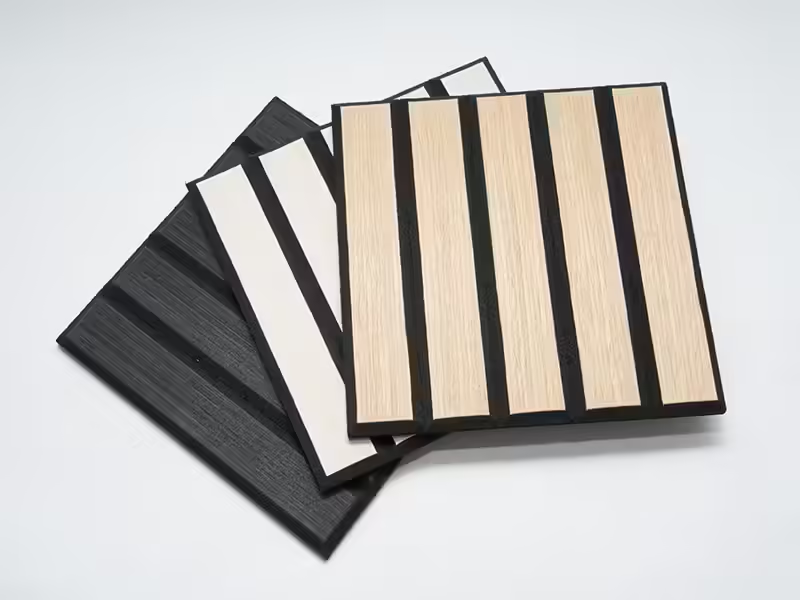
Polyester fiber wood strip solutions are modern sound-absorbing products that combine the sound absorption properties of polyester fiber with the aesthetic design of wood strips. They offer full-range sound absorption and also diffuse sound through the wood strip design, optimizing the space’s sound quality. The polyester fiber itself is eco-friendly, non-toxic, and 100% recyclable, making this solution not only highly functional but also in line with modern environmental requirements.
Polyester fiber wood strip acoustic panels are designed with high-density polyester fiber combined with wood strip structures. This design ensures excellent sound absorption while also providing a modern, decorative aesthetic. The panels are not only functional but also visually appealing, making them a great choice for both acoustic and interior design needs. They are suitable for a wide range of indoor environments, including offices, conference rooms, and home theaters. With a noise reduction coefficient (NRC) as high as 0.9, these panels effectively reduce echoes and control excessive sound reflection, enhancing the overall sound quality of the space.
- Hanging or Isolated Acoustic Panels
These panels are typically suspended from the ceiling and are suitable for large spaces like gyms, conference halls, or grand lobbies. They help reduce echoes and noise in these large spaces but can be complicated to install and may not be ideal for smaller spaces.
Advantages of Polyester Fiber Wood Strip Acoustic Panels
While there are many types of sound-absorbing solutions available on the market, polyester fiber wood strip solutions have gained popularity due to their unique characteristics. Compared to other types of sound-absorbing solutions, polyester fiber wood strip options offer the following significant advantages:
- Efficient Full-Range Sound Absorption
Polyester fiber wood strip acoustic panels not only effectively absorb high-frequency noise but also handle low-frequency noise, providing full-range sound optimization. This makes them suitable for a wide variety of environments, from small home theaters to large commercial spaces.
- Eco-Friendly Materials
These panels use 100% recyclable polyester fiber, which is non-toxic and free from formaldehyde, meeting environmental standards and ensuring the safety and health of the space where they are installed. In today’s eco-conscious construction and renovation environment, this is a significant advantage.
- Modern Aesthetic Design
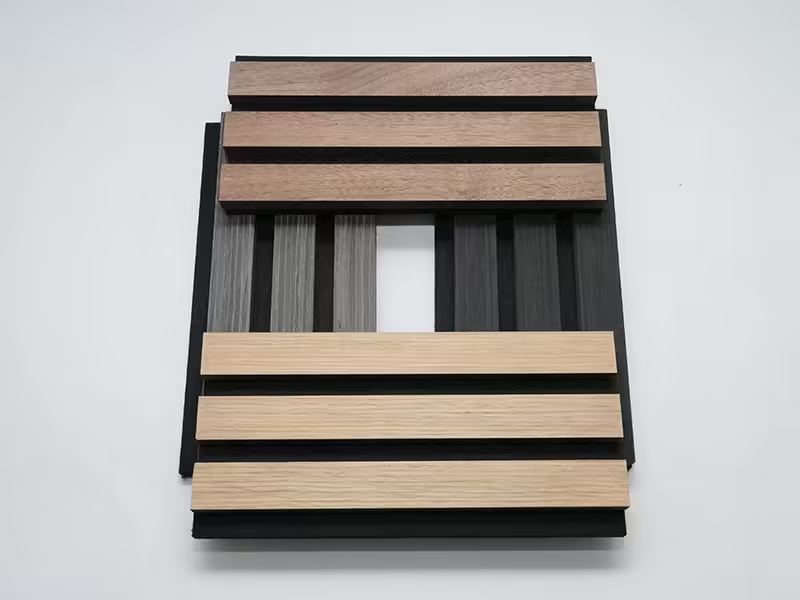
The wood strip design adds a natural and elegant appearance to the polyester fiber panel, allowing it to blend seamlessly into various interior styles. Whether it’s a modern minimalist office space or a cozy home environment, polyester fiber wood strip acoustic panels can serve as an attractive decorative element, enhancing the overall visual appeal of the space.
- Customization Options
These panels can be customized in terms of size, color, and shape to perfectly match the design requirements of different spaces. The customization options provide great flexibility both aesthetically and functionally.
Comparison with Other Types of Panels
- Compared to Foam Acoustic Panels
The full-range sound absorption capacity of polyester fiber wood strip acoustic panels far exceeds that of foam panels. While foam panels are affordable, they mainly absorb high-frequency noise and cannot effectively handle low-frequency noise. Polyester fiber wood strip acoustic panels, on the other hand, balance the absorption of all frequencies, offering more efficient noise control.
- Compared to Fabric-Wrapped Acoustic Panels
Fabric-wrapped acoustic panels perform excellently in sound absorption, but they tend to be heavier and require more complex installation. Polyester fiber wood strip acoustic panels offer similar sound absorption capabilities while being more lightweight and easier to install. Their eco-friendly and aesthetic design also provide advantages that fabric-wrapped panels lack.
- Compared to Wooden Acoustic Panels
Wooden acoustic panels excel in appearance, but they are expensive, and installation can be complicated. Polyester fiber wood strip acoustic panels provide similar visual effects while offering better sound absorption at a more affordable price.
Conclusion
Overall, polyester fiber wood strip acoustic panels stand out in the market with their efficient full-range sound absorption, eco-friendly materials, and modern design. They not only provide excellent sound control but also enhance the aesthetic value of a space, making them suitable for various types of environments. If you’re looking for an acoustic panel that improves sound quality while balancing design aesthetics, polyester fiber wood strip acoustic panels are undoubtedly an ideal choice.