
Table of Contents
Key Takeaways
- Comprehensive overview of art acoustic panels and their impact on interior spaces
- Detailed comparison between art acoustic panels and traditional acoustic solutions
- Materials, design techniques, and frequency-specific performance considerations
- Practical installation, placement strategies, and maintenance tips
- Case studies, expert opinions, and industry data supporting benefits
- Advanced concepts: diffusion, absorption coefficients, and smart integration
- FAQ addressing common Google-search style questions
Understanding Art Acoustic Panels
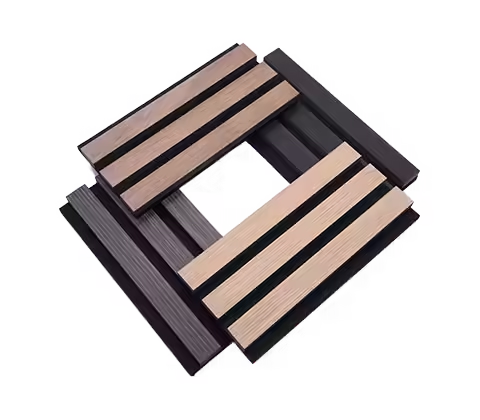
What Are Art Acoustic Panels?
Art acoustic panels are decorative panels designed to improve acoustic performance while enhancing visual appeal.
They merge aesthetic artistry with functional sound absorption, making them ideal for homes, offices, theaters, and public venues.
Modern panels can feature custom prints, 3D textures, or sculptural designs that blend seamlessly into interior décor.
Core Components
Absorptive Core
The core determines sound absorption efficiency. Materials like high-density polyester, mineral wool, and acoustic foam are common.
Decorative Surface
The surface can incorporate digital printing, painting, fabric wrapping, or sculptural designs.
This layer not only provides visual appeal but also protects the absorptive core from damage.
Mounting and Framing
Panels can be mounted via adhesive, magnetic systems, or frames.
Correct mounting ensures optimal absorption, prevents sagging, and maintains panel alignment over time.
Acoustic Benefits of Art Panels
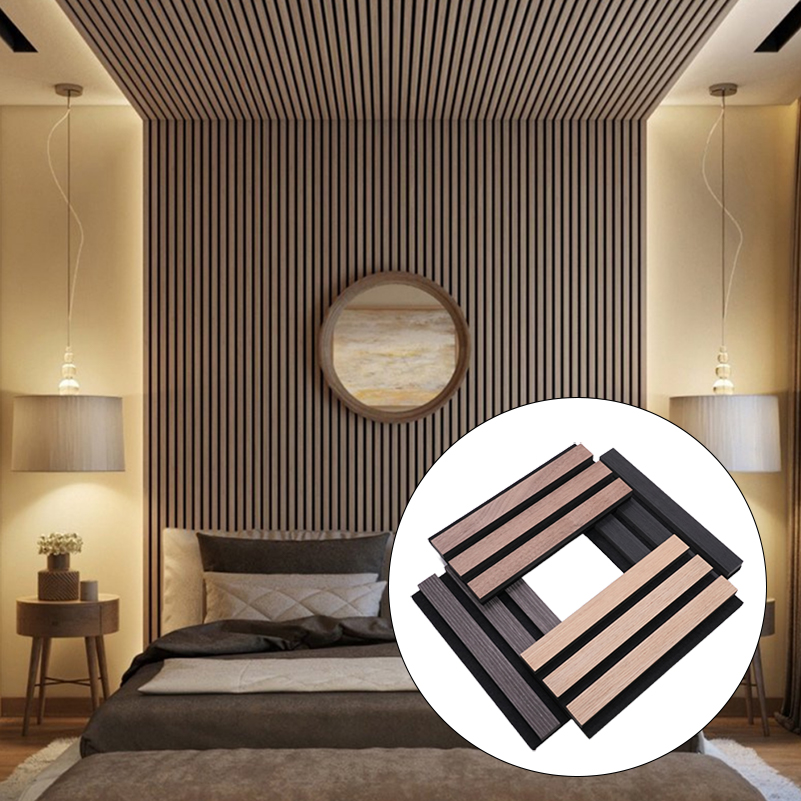
Improved Sound Quality
Art acoustic panels reduce reflections, reverberation, and echo.
Noise Reduction and Privacy
Panels absorb background noise in open offices, classrooms, restaurants, and public spaces.
Aesthetic Enhancement
Unlike traditional acoustic panels, art acoustic panels integrate artistic design into interiors.
Materials and Technical Specifications
Advanced Core Materials
High-Density Polyester
- NRC: 0.6–0.8
- Lightweight and flexible
- Eco-friendly and recyclable
Mineral Wool
- NRC: 0.75–0.95
- Excellent low-frequency absorption
- Fire-resistant and durable
Acoustic Foam
- NRC: 0.5–0.7
- Textured surfaces increase diffusion
- Lightweight and cost-effective
Comparison Table of Materials
| Material | NRC | Weight | Fire Rating | Ideal Application |
|---|---|---|---|---|
| Polyester | 0.6–0.8 | Light | Class B | Offices, residential |
| Mineral Wool | 0.75–0.95 | Medium | Class A | Studios, theaters |
| Acoustic Foam | 0.5–0.7 | Very Light | Class C | Small rooms, DIY |
Surface Design Options
Custom Printed Panels
Allows full-color digital artwork on acoustic surfaces.
Fabric Wrapped Panels
Textile layers provide soft tactile feel and broad design options.
Sculptural 3D Panels
Adds depth and dynamic visual interest while diffusing sound.
Installation and Placement
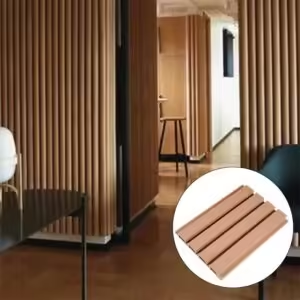
Wall vs Ceiling Mounting
- Wall-mounted panels: absorb mid- and high-frequency sound effectively
- Ceiling panels: reduce echo in large or high-ceilinged spaces
Coverage and Density
- 15–30% coverage is recommended for balanced performance
- Higher-density panels improve low-frequency absorption
Placement Strategy
- Panels should target primary reflection points
- Even spacing enhances aesthetics and acoustic balance
Art Acoustic Panels vs Traditional Panels
| Feature | Art Acoustic Panels | Traditional Acoustic Panels |
|---|---|---|
| Design | Customizable, artistic | Plain, functional |
| Acoustic Performance | NRC 0.6–0.95 | NRC 0.5–0.85 |
| Cost | Moderate to high | Low to moderate |
| Applications | Offices, homes, public spaces | Studios, industrial spaces |
| Installation Flexibility | Wall, ceiling, sculptural | Standard wall/ceiling |
Applications in Different Spaces
Residential Applications
Home theaters, living rooms, and dining areas benefit from improved sound clarity and aesthetics
Commercial and Office Spaces
Open-plan offices reduce distraction and enhance productivity
Educational Facilities
Classrooms and auditoriums benefit from speech clarity and reduced echo
Hospitality and Restaurants
Dining areas experience reduced background noise, enhancing guest comfort
Case Study: Corporate Office in New York
- Noise complaints decreased by 45% within three months
- Employee satisfaction with workspace aesthetics increased by 35%
Advanced Acoustic Concepts

NRC (Noise Reduction Coefficient)
- Measures how much sound a panel absorbs
Diffusion vs Absorption
- Absorption reduces sound energy
- Diffusion scatters sound evenly
Integration with Smart Systems
- IoT-enabled panels monitor room acoustics in real-time
- Smart panels adjust audio environments automatically
Maintenance and Longevity
Cleaning Tips
Use microfiber cloth or gentle vacuum to remove dust
Inspection and Repair
Check for loose mounts or surface damage every 6–12 months
Environmental Considerations
- Avoid direct sunlight to prevent fading
- Use moisture-resistant cores in humid environments
Expert Opinions
Dr. Emily Carter, Acoustic Engineer
“Art acoustic panels provide a dual benefit: improving sound quality while enhancing interior design.”
John Miller, Interior Designer
“Clients prefer panels that function as art. Custom prints and 3D textures elevate spaces while solving acoustic challenges.”
Market Data
- Global acoustic panel market projected to reach $5.2 billion by 2028
- Art-integrated panels account for over 40% of new commercial installations
Conclusion
Art acoustic panels transform spaces visually and acoustically. By selecting proper materials, designs, and placement, they improve sound quality, reduce noise, and enhance aesthetics. They are both decorative and functional, offering a versatile solution for homes, offices, educational facilities, and hospitality spaces.
FAQ
Can art acoustic panels work in small rooms?
Yes, panels with mid-range absorption and 15–30% coverage are effective.
How do I choose the right material?
Consider NRC rating, room function, and aesthetics.
Are custom printed panels expensive?
Costs vary by size, material, and print complexity; generally 20–50% more than standard panels.
Can panels be installed on ceilings?
Yes, ceiling-mounted panels improve acoustics and can integrate with lighting for artistic effects.
Do art acoustic panels require professional installation?
Small wall panels can be DIY-installed; large or sculptural panels may require professionals.
How long do art acoustic panels last?
With proper care, 10–15 years, maintaining acoustic and visual quality.
Let’s Keep in Touch!

Thanks for reading—I’m glad you joined me on this journey!
If you found this content valuable, insightful, or thought-provoking, I’d love to hear your thoughts.
📘 Follow me on Facebook for exclusive tips, behind-the-scenes insights, and community discussions.
👉 Click here to connect
Feel free to share your feedback or questions in the comments or on social media—I’m always here to chat.
Let’s keep exploring, learning, and growing—together!