
Table of Contents
Introduction
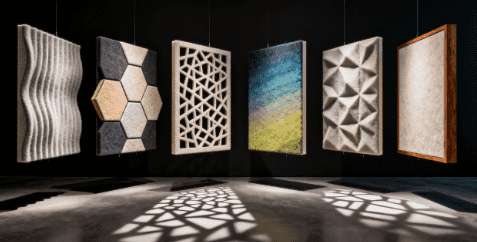
In our increasingly interconnected and dynamic world, the quality of our indoor environments has become paramount. Beyond visual appeal and functional layout, the auditory comfort of a space profoundly impacts well-being, productivity, and overall experience. From bustling open-plan offices to serene home theaters, and from vibrant educational institutions to tranquil healthcare facilities, managing ambient noise and enhancing sound clarity is a crucial aspect of modern design. This growing awareness has led to a significant demand for innovative acoustic solutions that do not compromise on aesthetics.
Enter the realm of decorative sound absorbing wall panels – materials engineered not just to mitigate noise, but to seamlessly integrate with, and often elevate, interior design. Among the diverse array of options available, polyester fiber sound absorbing panels have emerged as a frontrunner, lauded for their exceptional balance of performance and beauty. These versatile panels are transforming how we perceive and interact with sound in our daily lives, offering a sophisticated answer to acoustic challenges. This article delves into the remarkable properties of polyester fiber panels, spotlighting their singular core advantage that sets them apart in the competitive landscape of decorative sound absorbing wall panels, paving the way for spaces that are as audibly pleasing as they are visually stunning.
Understanding Polyester Fiber Decorative Sound Absorbing Wall Panels: A Symphony of Form and Function
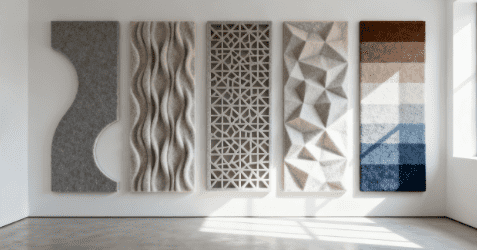
Before we unveil its primary benefit, it is essential to grasp the fundamental nature of polyester fiber decorative sound absorbing wall panels and the acoustic principles that govern their efficacy. These innovative materials are not merely decorative elements; they are scientifically engineered components designed to interact with sound waves in a beneficial way.
What Exactly are Polyester Fiber Sound Absorbing Panels?
Polyester fiber sound absorbing panels are a cutting-edge noise reduction material, crafted from 100% polyester fiber. This material is formed through a high-temperature hot-pressing process, resulting in a unique cocoon-cotton-like structure. This manufacturing technique utilizes advanced heat treatment to create a highly porous material, which is key to its sound-absorbing capabilities.
Shandong Panel International Trade Co., Ltd. is committed to “innovation-driven and quality first,” offering high-quality, cost-effective decorative materials, including polyester acoustic panels, which provide sustainable solutions for projects worldwide. These polyester fiber-wood strip acoustic panels combine natural aesthetics with advanced sound absorption technology. They are considered an ideal sound absorbing decorative material due to their environmental friendliness, heat insulation, moisture resistance, mildew resistance, ease of cleaning, easy cutting, and high cost-performance.
The Acoustic Prowess of Polyester Fiber Decorative Sound Absorbing Wall Panels
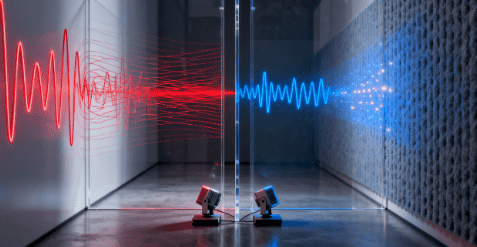
The true genius of polyester fiber decorative sound absorbing wall panels lies in their ability to absorb sound energy. When sound waves encounter the porous structure of the polyester fiber, they penetrate the material, and the sound energy is converted into heat energy through friction within the fibers. This process effectively reduces the reflection of sound, thereby shortening reverberation time and significantly improving the acoustic environment.
Polyester fiber sound absorbing panels are recognized as excellent products within the realm of sound-absorbing materials. They boast an impressive sound absorption coefficient of over 0.9 within the 125-4000Hz noise range. This high absorption capability means they can effectively diminish sound impurities, enhance sound effects, and improve the clarity of speech, making them highly trusted and widely chosen by acoustic designers for various acoustic engineering projects. Whether the goal is to create a quieter workspace or a more vibrant living area, these decorative sound absorbing wall panels offer versatile solutions to meet diverse sound absorption and noise cancellation requirements.
The Unparalleled Core Advantage: Eco-Friendliness Meets Aesthetic Versatility in Decorative Sound Absorbing Wall Panels
The primary advantage that distinguishes polyester fiber sound absorbing panels from many other acoustic solutions is their superior combination of environmental sustainability and exceptional decorative versatility. This core benefit addresses the modern demand for products that are not only high-performing but also responsible and adaptable.
Polyester fiber decorative sound absorbing wall panels are celebrated as environmentally friendly products. The material itself is non-toxic, ensuring that it does not produce or release harmful substances, posing no threat to human health. Rigorous testing by the National Building Materials Test Center has confirmed that these products comply with China’s mandatory standard GB18580-2001, reaching E1 class, which designates them as safe decorative materials for indoor use.
This high level of environmental compliance is particularly crucial for residential projects, public buildings, and commercial spaces where occupant health is a top priority. Furthermore, these panels can be recycled, preventing waste pollution and contributing to a circular economy. This commitment to sustainability aligns perfectly with global “Go Green” initiatives and the push for a “Sustainable Built World,” a principle championed by leading suppliers of decorative materials.
Beyond their green credentials, the decorative aspect of these sound absorbing wall panels is truly transformative. Polyester fiber panels offer diverse color matching options and can be easily cut and shaped using woodworking tools, allowing for various artistic patterns and styles to be effortlessly brought to life. Their ability to be bent and printed further expands their creative potential, making them suitable for imaginative spaces like art centers and studios where unique forms and vibrant colors are desired.
This flexibility in design means that architects and interior designers can integrate acoustic treatment seamlessly into their visions, turning functional elements into striking decorative features. Unlike purely functional acoustic materials that might require additional aesthetic coverings, polyester fiber decorative sound absorbing wall panels inherently serve both purposes, making them a cost-effective and visually appealing solution. This intrinsic decorative quality, coupled with their environmental safety, makes them ideal for sensitive environments such as schools and children’s play areas, where safety, aesthetics, and sound control are equally vital.
Beyond the Core: Comprehensive Benefits of Polyester Fiber Decorative Sound Absorbing Wall Panels
While environmental friendliness and decorative versatility form the core advantage, polyester fiber decorative sound absorbing wall panels offer a suite of other benefits that contribute to their widespread appeal and utility.
Enhanced Safety and Durability
Safety is a critical consideration for any building material, and polyester fiber decorative sound absorbing wall panels excel in this regard. They are remarkably lightweight, which not only simplifies installation but also eliminates the risk of falling debris in the event of damage or breakage. This inherent safety feature is particularly valuable in high-traffic areas or spaces where overhead applications are used. Furthermore, these panels demonstrate good fire retardancy, achieving a B1 level performance as per GB8624-2006 after undergoing special processing. This fire safety rating ensures they meet stringent building codes, providing peace of mind for both designers and occupants. Their impact-resistant nature also makes them suitable for active environments.
Ease of Processing and Installation for Decorative Sound Absorbing Wall Panels
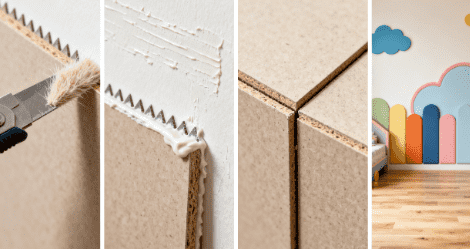
The workability of polyester fiber sound absorbing panels is another significant advantage. They can be easily cut with an art knife, allowing for precise shaping and customization. This ease of cutting, combined with simple splicing techniques and straightforward handling of inside and outside corners, facilitates the creation of perfect artistic designs and diverse styles. The ability to transform and adapt these decorative sound absorbing wall panels on-site means greater flexibility during the construction phase and easier realization of complex design visions. This user-friendly aspect also contributes to quicker installation times and potentially lower labor costs.
Maintenance and Longevity
Long-term practicality is essential for any building material. Polyester fiber decorative sound absorbing wall panels are designed for durability and ease of maintenance. They are resistant to moisture and mildew, which is a common concern for acoustic materials in humid environments. Moreover, these panels are easy to clean, allowing for simple dust removal and ensuring they retain their aesthetic appeal over time. This combination of durability and low-maintenance requirements translates into a longer lifespan for the acoustic treatment and sustained visual quality within a space.
A Comparative Look: Polyester Fiber Decorative Sound Absorbing Wall Panels Against Other Options
To truly appreciate the value of polyester fiber decorative sound absorbing wall panels, it’s beneficial to compare them with other commonly used decorative acoustic materials. Each type has its unique characteristics, advantages, and limitations, making the choice dependent on specific project requirements.
Here is a comparison of various decorative sound absorbing wall panels:
| Feature/Panel Type | Fabric Acoustic Panel | Wooden Acoustic Panel | Perforated Gypsum Board | Wood Wool Board | Polyester Fiber Acoustic Panel |
| Characteristics | Fabric-wrapped glass wool; resin/aluminum frame; wide spectrum absorption | High-density base with grooves/perforations; back-attached acoustic felt; wood texture | Perforated gypsum base + acoustic film; controls absorption via hole size/spacing | Wood wool cement composite; porous structure; broad-spectrum absorption; thermal insulation | 100% Polyester fiber, hot-pressed; excellent high-frequency absorption; bendable, printable |
| Advantages | Lightweight, easy to install, dust-free, warm aesthetics, impact-resistant | Strong decorative appeal, eco-friendly, durable, mold/moisture-proof | A-grade fire protection, moisture/corrosion-proof, seamless finish, cost-effective | A-grade fire protection, impact-resistant (suitable for stadiums), breathable, moisture-proof, >40 year lifespan | Lightweight, safe (no falling risk if broken), eco-friendly (formaldehyde 0.05mg/L), easy to clean |
| Disadvantages | Fabric surface prone to dust, poor moisture resistance (prone to mildew in damp environments) | Requires expansion joints (prevents thermal expansion/contraction), higher price, high base load requirement | Weaker high-frequency absorption, high flatness requirement for installation (prone to unevenness) | Heavy weight (high transport cost), requires professional framework for installation | Poor high-temperature resistance (>120℃ prone to deformation), sound absorption deteriorates after moisture absorption |
| Price (approx.) | 80-150 RMB/㎡ (600x600x25mm) | 130-300 RMB/㎡ (solid wood veneer 30% premium) | 25-55 RMB/㎡ (1220x2440x9.5mm ~65-90 RMB/sheet) | Mid-to-high end (imported boards ≥200 RMB/㎡) | Mid-range market 100-200 RMB/㎡ (color/shape customization adds premium) |
| Applicable Scenes | Cinemas, KTVs, hotels (ambiance + absorption); avoid high-humidity areas | Professional acoustic spaces (recording studios, theaters), high-end decoration (conference rooms, villa feature walls) | Large public buildings (gyms, factories), ceiling systems (offices, hospitals) | Historic building renovations (auditoriums, libraries), high-impact venues (basketball courts, gyms) | Creative spaces (studios, art centers), children’s areas (schools, play areas) |
As shown in the table, polyester fiber decorative sound absorbing wall panels offer a compelling blend of benefits, particularly standing out for their lightweight nature, safety, and strong environmental credentials at a competitive mid-range price point. While they have limitations such as sensitivity to high temperatures and potential sound attenuation after moisture absorption, their advantages often make them the preferred choice for a wide array of projects where acoustic performance, design flexibility, and ecological responsibility are paramount.
Integrating Polyester Fiber Decorative Sound Absorbing Wall Panels: Applications and Installation Best Practices
Effectively leveraging the benefits of polyester fiber decorative sound absorbing wall panels requires not only understanding their properties but also knowing where and how to install them correctly. From diverse applications to meticulous installation techniques, the journey from concept to a perfectly quieted and aesthetically pleasing space demands attention to detail.
Diverse Applications for Aesthetic Acoustics
The versatility of polyester fiber decorative sound absorbing wall panels allows them to be utilized across a broad spectrum of environments, meeting various acoustic and aesthetic demands. They are widely used in public buildings, commercial spaces, residential projects, and special acoustic environment projects in many countries and regions.
Their lightweight and safe nature, coupled with their environmental certification, makes them ideal for children’s places, such as schools and play areas, where safety is non-negotiable and acoustic comfort aids concentration and communication. In creative spaces like recording studios, art centers, and negotiation rooms, their bendable and printable qualities, along with a wide range of colors and patterns, enable designers to create visually stimulating environments that also provide optimal sound clarity. Furthermore, for corporate meeting rooms, home theaters, or even general living areas, these panels offer an elegant solution to manage sound, reduce echoes, and enhance the overall auditory experience, ensuring spaces are conducive to their intended functions.
Mastering the Installation of your Decorative Sound Absorbing Wall Panels
Proper installation is critical to maximize the performance and longevity of polyester fiber decorative sound absorbing wall panels. Incorrect application can significantly diminish their sound-absorbing capabilities and compromise their aesthetic appeal.
1. Pre-Installation Steps
Before starting, it is crucial to select and arrange the panels to avoid slight color differences, as batches may vary. Using a rigid straightedge, such as a steel ruler or alloy square steel, is recommended for cutting to ensure straight lines and prevent large or distorted joint gaps. To minimize gaps, the blade can be angled inward by 0.5mm-1mm, creating a bevel on the joint surface for easier panel alignment. Using high-quality imported blades is also advised to prevent rough edges.
2. Base Surface Treatment
The base surface must be flat. If directly adhering to a cement base, it should first be leveled. When installing with an air cavity for enhanced sound absorption, a perforated base plate or wooden strips can be used to create the cavity, which can also be filled with sound-absorbing cotton. Crucially, if the base is not a cement wall but uses plasterboard, cement board, plywood, or calcium silicate boards, the joints must be sealed with joint tape and sealant to prevent airflow, which can create visible gaps in the panels when air conditioning is used.
3. Adhesive Choice and Application
Selecting an environmentally compliant adhesive is paramount. For cement or wooden bases, a benzene-free all-purpose neoprene rubber adhesive or white latex can be chosen. For paper-faced plasterboard, white latex or cellulose-based wallpaper adhesive can be used in dry conditions, fixed immediately with tacks to prevent movement. In potentially damp conditions, an all-purpose adhesive is better. As polyester fiber decorative sound absorbing wall panels are porous, they absorb adhesive easily, potentially blocking pores. Therefore, single-sided application (applying glue only to the wall, slightly thicker than normal) is recommended, often supplemented with tacks for reinforcement.
4. Corner Details
Both internal (yin) and external (yang) corners can be handled for fiber sound absorbing decorative panels, similar to the methods used for aluminum composite panels.
Common Pitfalls to Avoid with Decorative Sound Absorbing Wall Panels
Despite their benefits, the effectiveness of decorative sound absorbing wall panels can be negated by common misconceptions or incorrect installation practices.
1. Distinguishing Absorption from Insulation
A frequent mistake is confusing sound absorption with sound insulation. Sound absorption converts incident sound energy into heat, reducing reflected sound, while sound insulation reflects and blocks sound, reducing transmission and weakening noise transfer. These are distinct concepts requiring different materials; sound-absorbing panels are typically porous, while sound-insulating panels are dense and impermeable. Mislabeling a sound-absorbing panel as “soundproofing” is incorrect.
2. Improper Material Placement
Installing sound-absorbing materials behind dense panels like wood veneers or plasterboard, without sufficient space or appropriate panel perforations, generally won’t achieve the desired sound absorption. While polyester fiber decorative sound absorbing wall panels are inherently porous, understanding that sound needs to interact directly with the absorbent material is crucial for optimal results. If an air cavity is intended for acoustic enhancement, it must be adequately dimensioned and free of obstructions.
3. Blocking Panel Pores with Coatings
A significant pitfall, especially for decorative sound absorbing wall panels, is applying paint or coatings that seal the small pores on the panel’s surface. This can prevent sound waves from entering the material, rendering it ineffective. To avoid this, maintain the cleanliness of the panel surface during installation and avoid further treatment. If a decorative finish is desired, select panels with larger pores suitable for coating, or choose pre-coated or custom-finished panels from the manufacturer. This ensures the aesthetic goals are met without sacrificing acoustic performance.
Conclusion
The journey through the world of decorative sound absorbing wall panels reveals a landscape where functionality beautifully intertwines with design. At the forefront of this evolution stands the polyester fiber sound absorbing panel, a material that champions a singular, powerful core advantage: its exceptional blend of environmental sustainability and aesthetic versatility. This combination ensures that modern spaces can achieve optimal acoustic comfort without sacrificing health, design integrity, or ecological responsibility.
Polyester fiber decorative sound absorbing wall panels offer a compelling solution for architects, designers, and homeowners seeking to create environments that are not only audibly serene but also visually captivating. Their non-toxic, recyclable composition makes them a responsible choice for any interior, from bustling public venues to intimate residential settings. The ease with which they can be customized in terms of color, pattern, and shape further solidifies their position as an ideal decorative material, allowing for limitless creative expression while effectively managing sound.
Beyond this core strength, their impressive sound absorption capabilities, fire retardancy, lightweight safety, and straightforward installation process provide a comprehensive package of benefits. While it is essential to be mindful of installation best practices and avoid common pitfalls like paint blockage, the overall value proposition of polyester fiber decorative sound absorbing wall panels remains undeniably strong. By choosing these innovative panels, we can collectively move towards a built world where every space resonates with clarity, comfort, and a conscientious commitment to our planet. They are not merely products; they are pivotal components in crafting harmonious, healthy, and stunning interiors that truly enhance the quality of life.
FAQ
Q1: What is the difference between sound absorption and sound insulation?
A1: Sound absorption involves materials that absorb sound energy, converting it into heat to reduce echoes and reverberation. Sound insulation involves dense materials that block and reflect sound, preventing its transmission through barriers. Polyester fiber decorative sound absorbing wall panels primarily focus on sound absorption.
Q2: Are polyester fiber decorative sound absorbing wall panels environmentally friendly?
A2: Yes, they are highly eco-friendly. They are made from 100% polyester fiber, are non-toxic, do not release harmful substances, meet E1 class environmental standards, and can be recycled, making them safe for indoor use. This aligns with “green construction standards” and the use of “renewable materials”.
Q3: Where can polyester fiber decorative sound absorbing wall panels be used?
A3: Their versatility makes them suitable for a wide range of applications, including public buildings, commercial spaces, residential projects, special acoustic environments, creative spaces like studios and art centers, children’s areas (schools, play areas), and corporate meeting rooms.
Q4: How do I install polyester fiber decorative sound absorbing wall panels?
A4: Installation involves careful pre-checking for color consistency, precise cutting with rigid tools and sharp blades, ensuring a flat base surface, and choosing an environmentally compliant adhesive. For porous panels, single-sided glue application with additional tacks is often recommended. Proper sealing of base layer joints is also crucial to prevent air leakage.
Q5: Can I paint polyester fiber decorative sound absorbing wall panels?
A5: Generally, it is best to avoid painting sound absorbing panels, as paint can clog their pores and reduce their acoustic effectiveness. If a colored finish is desired, consider purchasing pre-colored panels, customizing them with the manufacturer, or selecting panels specifically designed to accept coatings without hindering performance.
Let’s Keep in Touch! 🌟
Thanks for reading—I’m glad you joined me on this journey!
If you found this content valuable, insightful, or thought-provoking, I’d love to hear your thoughts.
📘 Follow me on Facebook for exclusive tips, behind-the-scenes insights, and community discussions.
👉 Click here to connect
Feel free to share your feedback or questions in the comments or on social media—I’m always here to chat.
Let’s keep exploring, learning, and growing—together! 🚀😊