
Table of Contents
Introduction
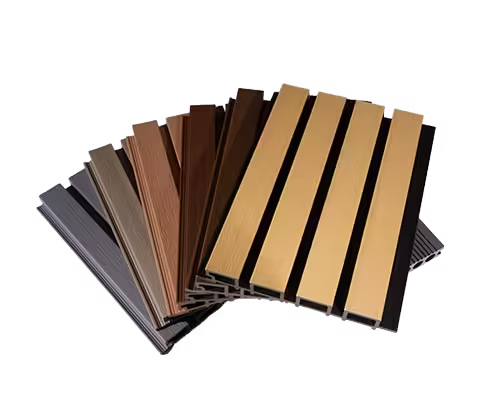
WPC composite, or wood-plastic composite, has emerged as a versatile material that combines the natural appeal of wood with the durability of plastic. In recent years, it has become a preferred choice for outdoor decking, fencing, furniture, and other construction applications. Unlike traditional wood, WPC composite offers enhanced resistance to moisture, pests, and decay, making it suitable for a variety of climates. This article explores ten amazing benefits of WPC composite, providing insights that can help homeowners, architects, and builders make informed decisions.
The increasing demand for sustainable and low-maintenance materials has propelled WPC composite into the spotlight. Its eco-friendly composition, often using recycled wood fibers and plastic, aligns with global sustainability goals while offering practical advantages. From reducing maintenance costs to providing aesthetic flexibility, WPC composite is redefining modern outdoor and indoor construction.
Exceptional Durability of WPC Composite
One of the most notable advantages of WPC composite is its exceptional durability. Traditional wood, while aesthetically pleasing, tends to warp, crack, and splinter over time. In contrast, WPC composite is engineered to withstand harsh environmental conditions. Its resistance to moisture makes it ideal for areas prone to rain or high humidity, such as coastal regions or backyard decks near pools. Additionally, it does not require annual sealing, staining, or painting like conventional wood, which not only reduces long-term maintenance efforts but also saves significant costs over the years.
Homeowners often report that WPC composite remains intact and visually appealing even after exposure to snow, heavy rain, or strong sunlight. This level of resilience is particularly valuable for outdoor furniture, garden pathways, and public spaces where high foot traffic and weather exposure are common. Choosing WPC composite ensures that structures maintain both functionality and aesthetic appeal for decades.
Resistance to Environmental Factors
WPC composite resists exposure to UV rays, rain, and temperature fluctuations, which are common causes of deterioration in natural wood. This means that even in extreme weather conditions, it maintains its structural integrity and appearance. Unlike natural wood that can crack or fade over time, WPC composite continues to provide reliable performance, making it a cost-effective long-term investment.
For instance, outdoor decks made from WPC composite remain slip-resistant and smooth even after prolonged exposure to the sun, whereas untreated wood often becomes brittle and uneven. This quality makes WPC composite a safe and dependable choice for families with children and pets.
Pest and Rot Protection
Another significant advantage of WPC composite is its resistance to pests and decay. Wood-boring insects, termites, and mold are common threats to traditional timber, often leading to expensive repairs or replacements. WPC composite, due to its plastic component, is impervious to such threats. Additionally, it does not rot or warp when exposed to moisture, unlike untreated wood that can develop mold and mildew.
In practical terms, this means a WPC composite fence or deck in a backyard surrounded by trees or near water sources will remain strong and intact, without the constant worry of termite damage or fungal growth. Homeowners can spend more time enjoying their outdoor spaces instead of worrying about maintenance issues.
Low Maintenance Advantages of WPC Composite
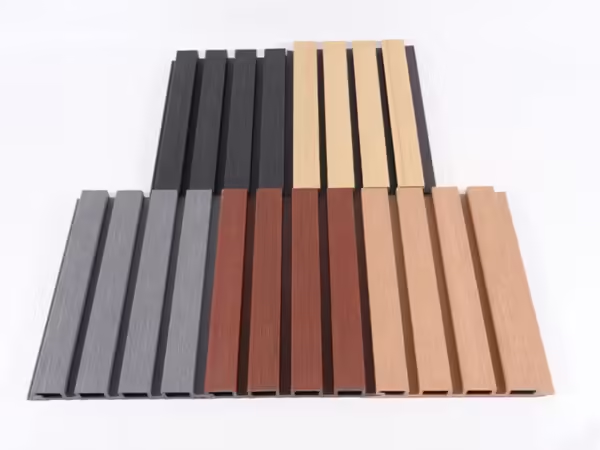
The low-maintenance nature of WPC composite is one of the key reasons for its popularity. Unlike wood that requires regular cleaning, sealing, or staining, WPC composite only needs occasional washing to retain its appearance. This simplicity allows homeowners to enjoy the beauty and functionality of their outdoor spaces without dedicating hours to upkeep.
Easy Cleaning and Longevity
Cleaning WPC composite is straightforward. A simple wash with soap and water is usually sufficient to remove dirt, dust, and minor stains. Even in areas prone to pollution or bird droppings, the material retains its natural look with minimal effort. This ease of maintenance is particularly valuable for outdoor applications such as decking and fencing, where debris and mud can accumulate frequently.
Moreover, WPC composite is highly resistant to scratches and dents. Even furniture or decking that experiences heavy use remains visually appealing over the years. Its long-lasting surface quality means homeowners can invest in outdoor features without worrying about early wear and tear.
Longevity Compared to Wood
In addition to easy maintenance, WPC composite offers a longer lifespan than traditional wood. Depending on the quality of the material and installation, it can last 25 years or more without significant deterioration. This longevity makes it a sustainable choice, reducing the frequency of replacements and the environmental impact of constantly sourcing new timber.
Many homeowners report that their WPC composite decks, even after decades of use, still look modern and elegant. This contrasts sharply with wood decks, which often require sanding, refinishing, or replacement every few years.
Eco-Friendly Features of WPC Composite
Sustainability has become a critical consideration in construction, and WPC composite excels in this area. Many WPC composites are made using recycled wood fibers and plastic, reducing the demand for virgin timber and minimizing environmental impact. Choosing WPC composite supports eco-conscious construction practices while still providing the aesthetic and functional benefits of traditional materials.
Reduced Carbon Footprint
By incorporating recycled materials, WPC composite helps reduce carbon emissions associated with deforestation and plastic waste. It offers a way to repurpose materials that would otherwise end up in landfills, giving them a second life in homes, gardens, and public spaces. This is especially important for builders and homeowners seeking environmentally responsible options without compromising on quality or appearance.
Recyclability and Sustainability
At the end of its lifecycle, many WPC composite products can be recycled or repurposed, further enhancing their sustainability. Decking boards, fences, and furniture made from WPC composite can be dismantled and reused or converted into new composite materials. This circular approach to material use positions WPC composite as a forward-thinking choice for modern construction. Additionally, its longevity ensures fewer replacements, contributing to a reduced environmental footprint over time.
Aesthetic Versatility of WPC Composite
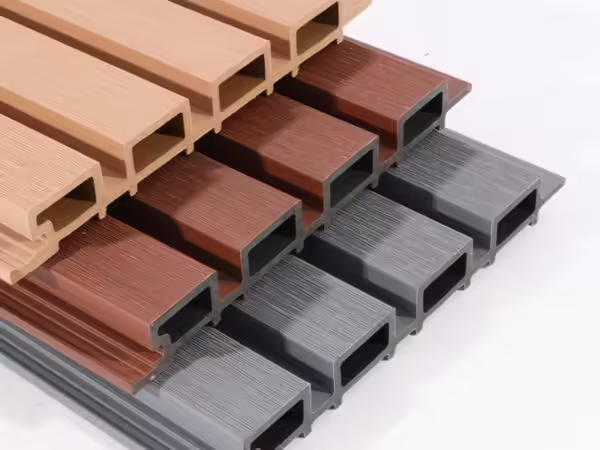
WPC composite offers significant design flexibility that traditional wood cannot match. Available in a wide range of colors, textures, and finishes, it allows architects and homeowners to create unique outdoor and indoor spaces. Its uniform appearance eliminates inconsistencies often seen in natural wood, while its color stability ensures long-lasting beauty.
Customization Options
WPC composite can be cut, shaped, and installed to match specific design needs. Whether it is decking patterns, fencing layouts, or furniture designs, WPC composite offers an unparalleled level of customization.
Complementary to Various Styles
From contemporary minimalism to classic rustic aesthetics, WPC composite seamlessly integrates into any design style. This versatility makes it a favorite among designers looking to balance practicality with visual appeal.
Cost-Effectiveness of WPC Composite
While WPC composite may have a higher upfront cost compared to untreated wood, its long-term benefits make it a cost-effective choice. Reduced maintenance, fewer repairs, and extended lifespan translate into significant savings over time. It eliminates the hidden costs associated with wood treatment, replacement, and weather damage.
Long-Term Savings
Investing in WPC composite means fewer replacements and reduced maintenance expenses over decades. This makes it an attractive option for homeowners who want reliable performance without ongoing costs.
Value Addition to Property
High-quality WPC composite installations, such as decks and fences, can increase property value by enhancing aesthetics, safety, and durability. It is a long-lasting improvement that benefits both present and future owners.
Table of Key Benefits of WPC Composite
| Benefit | Description |
|---|---|
| Durability | Resistant to moisture, UV rays, temperature fluctuations, and pests |
| Low Maintenance | Requires minimal cleaning and no regular sealing or staining |
| Eco-Friendly | Often made from recycled wood fibers and plastics |
| Aesthetic Flexibility | Available in various colors, textures, and finishes |
| Longevity | Can last 25+ years without significant deterioration |
| Cost-Effectiveness | Reduces long-term maintenance and replacement costs |
| Safety | Splinter-free surface makes it safe for children and pets |
| Easy Installation | Lightweight and easy to install compared to traditional wood |
| Moisture Resistance | Ideal for outdoor environments prone to rain or humidity |
| Versatility | Suitable for decking, fencing, furniture, and indoor applications |
Conclusion
WPC composite combines durability, low maintenance, aesthetic appeal, and eco-friendliness, making it a versatile material suitable for a wide range of applications. From enhancing outdoor spaces to supporting sustainable construction, the benefits of WPC composite are clear. Its resistance to environmental factors, long lifespan, and cost-effectiveness make it an excellent investment for homeowners, designers, and builders alike.
By choosing WPC composite, individuals not only achieve practical and aesthetic goals but also contribute to a more sustainable future. Whether used for decking, fencing, or furniture, WPC composite continues to prove that innovative materials can outperform traditional options while reducing environmental impact.
FAQ
Q1: Is WPC composite suitable for all climates?
Yes, WPC composite is designed to withstand a variety of weather conditions, including extreme heat, humidity, and cold. Its moisture resistance makes it particularly effective in rainy or humid environments.
Q2: How long does WPC composite last?
With proper installation and minimal maintenance, WPC composite can last 25 years or more. Its durability and resistance to decay and pests contribute to its long lifespan.
Q3: Can WPC composite be recycled?
Many WPC composite products are recyclable at the end of their lifecycle, contributing to sustainability and reducing environmental impact.
Q4: Does WPC require sealing or staining?
No, unlike traditional wood, WPC composite does not require annual sealing or staining. Occasional cleaning with soap and water is sufficient to maintain its appearance.
Q5: Is WPC composite safe for children and pets?
Yes, WPC composite provides a splinter-free surface, making it safe for children to play on and pets to walk on without risk of injury.
Let’s Keep in Touch!

Thanks for reading—I’m glad you joined me on this journey!
If you found this content valuable, insightful, or thought-provoking, I’d love to hear your thoughts.
📘 Follow me on Facebook for exclusive tips, behind-the-scenes insights, and community discussions.
👉 Click here to connect
Feel free to share your feedback or questions in the comments or on social media—I’m always here to chat.
Let’s keep exploring, learning, and growing—together! 🚀😊